The Roots of All Saints' Day
All Saints' Day falls each year on 1 November, following the ancient festival of Samhain and preceding All Souls' Day. In the Christian calendar, it honours all saints—known and unknown—while in British and Irish folk tradition, the day carries a lingering sense of reverence for the dead. The boundaries between the sacred and the everyday feel thinner as autumn deepens, and time-honoured customs of remembrance surface in villages and homes alike.
Historically, All Saints' Day was established to celebrate saints who did not have their own specific feast. In Britain and Ireland, it absorbed layers of older practice. The turning of the season from harvest to winter, when the fields grow bare and evenings darken, has long been a moment to pause, reflect, and remember those who have gone before. The old belief that spirits roam more freely at this time still echoes in the stories and rituals passed down through generations.
Souling: The Custom of Remembering the Dead
One of the most distinctive traditions associated with All Saints' and All Souls' is souling. This custom, recorded in various forms from the Middle Ages onwards, involved groups—often children or the poor—going door to door, singing or praying for the souls of the departed. In exchange, they received small spiced cakes or tokens known as soul cakes. The act was seen as both charity and remembrance: giving and receiving in the hope of blessings for the living and peace for the dead.
In parts of northern England and the Midlands, souling songs were sung well into the twentieth century. The songs often included pleas for prayers and offered thanks for soul cakes. While the practice faded with changing times and the rise of modern Hallowe'en, echoes of souling persist in some communities, with local groups reviving the songs and baking in remembrance.
Soul Cakes: Baking and Giving
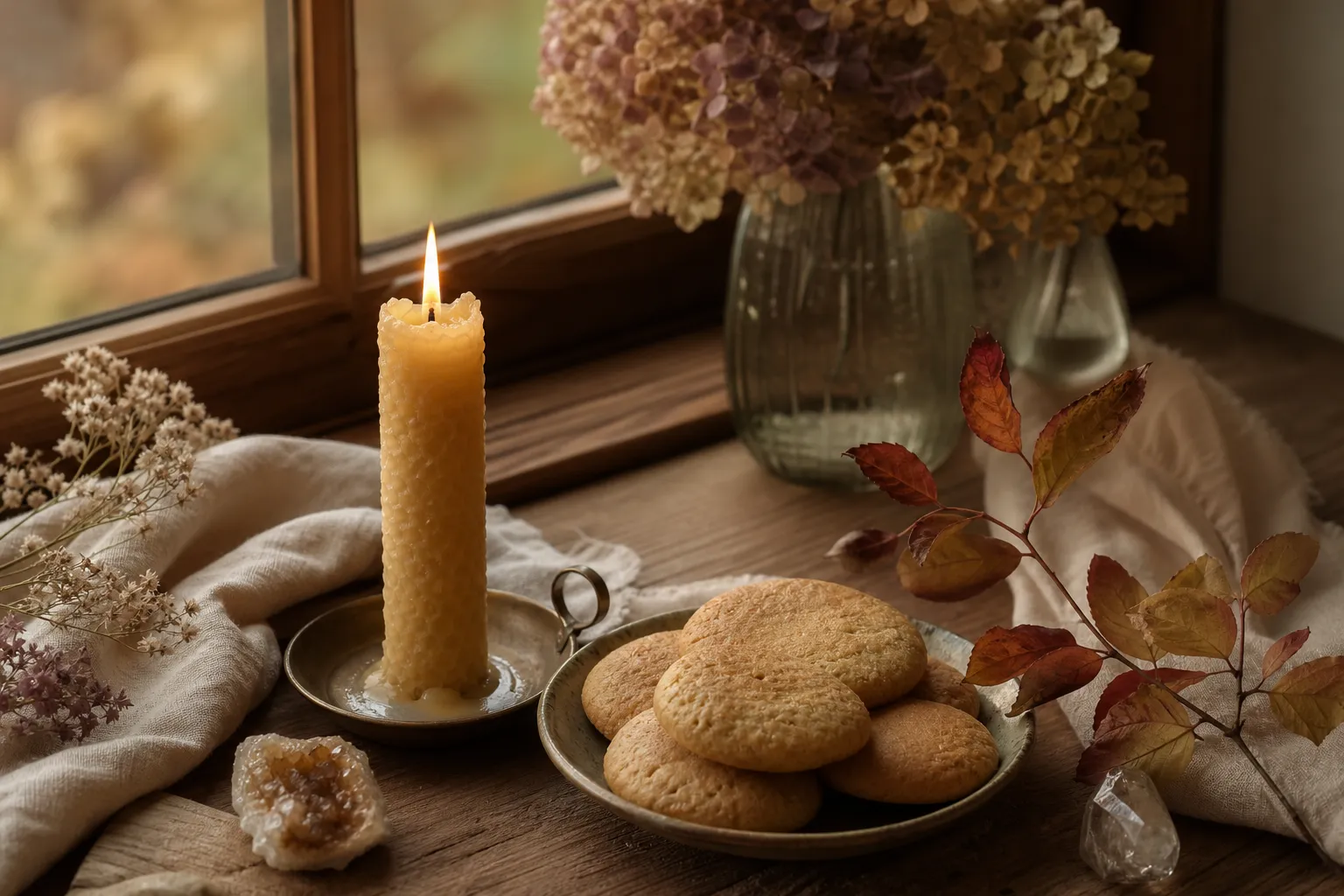
Soul cakes are small, spiced buns, traditionally marked with a cross. Recipes vary, but they often include warming spices like nutmeg and cinnamon, along with dried fruits. In folklore, soul cakes were made not only to give to 'soulers' but also set on the family table to remember loved ones, or even left on graves. The act of baking and sharing them becomes a quiet ritual in itself, linking household to household and past to present.
Some families today continue the tradition of baking soul cakes to mark All Saints' or All Souls'. Others might buy or make similar spiced cakes or biscuits, sharing them with neighbours or eating them in remembrance. Whether homemade or from the local bakery, the sharing of food for the dead is a gentle act of connection and honouring.
Modern Observances and Quiet Remembrance
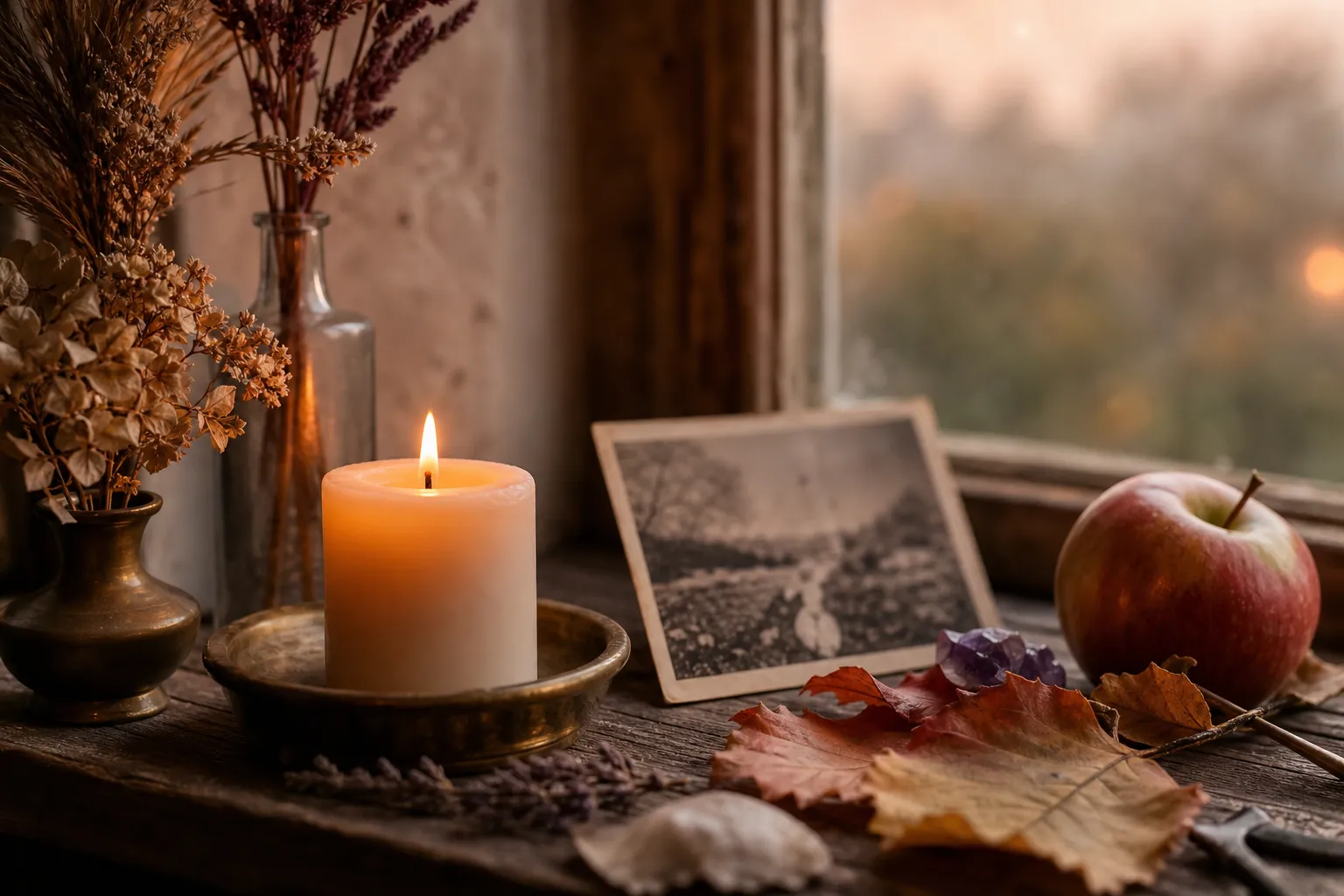
Many people in Britain and Ireland now mark All Saints' Day in quieter ways. Some attend church services, lighting candles in memory of the departed. Others visit graves, tidy resting places, or simply pause at home to remember those who have passed. The lighting of candles remains central—a small flame symbolising hope, memory and the continuing thread between the living and the dead.
Modern folk also draw on older customs, adapting them for contemporary life. Sharing food, telling stories, and setting aside a moment for reflection are all ways to connect with the day’s deeper meaning. If you are interested in exploring more seasonal traditions, you may find the Wheel of the Year helpful for marking the turning points of the calendar.
A Simple Candle Ritual for All Saints' Day
Candle rituals have long been part of remembrance, offering a way to honour loved ones quietly at home. Here is a simple practice you can try on All Saints' Day. Please never leave a lit candle unattended, and place it in a safe holder away from anything flammable.
- Choose a white or beeswax candle—white is often used for remembrance. Place it in a safe holder on your altar, mantelpiece, or windowsill.
- Before lighting, take a few moments to think of those you wish to remember. You might wish to have a photograph, keepsake or written name beside the candle.
- Light the candle, saying quietly: "For those who have gone before, with love and memory." Sit with the candle for a few minutes, letting any memories or feelings arise.
- If you wish, you can offer a small piece of soul cake or other food beside the candle, as was done traditionally. This is a symbolic gesture and can be cleared away afterwards.
- When you are ready, extinguish the candle. You might choose to repeat this ritual each evening from All Saints' to All Souls'.
For more on working with candlelight and its traditions, visit our candle magic guide or try a personal candle spell.
Continuing the Thread of Tradition
All Saints' Day, with its gentle customs of souling, soul cakes, and remembrance, invites us to pause amid autumn’s hush. Whether through baking, candle lighting, or quiet thought, the day offers a moment of connection—with the past, with loved ones, and with the subtle turning of the year. Old songs and recipes may fade, but the impulse to remember and honour endures in new forms.
If you are drawn to explore more rituals or seasonal practices, our ritual finder and ritual sets may inspire ways to weave these traditions into your own life.
Questions and answers
What are soul cakes and how are they made?
Soul cakes are small, spiced buns or biscuits, often marked with a cross and flavoured with spices and dried fruit. Recipes vary by region and family tradition.
Is souling still practised today?
Souling is rarely practised in its original form, but some communities and folk groups revive the songs and customs around All Saints' and All Souls'.
Can I light a candle at home for All Saints' Day?
Yes, many people today light candles at home to remember the departed. Always use a safe holder and never leave a lit candle unattended.