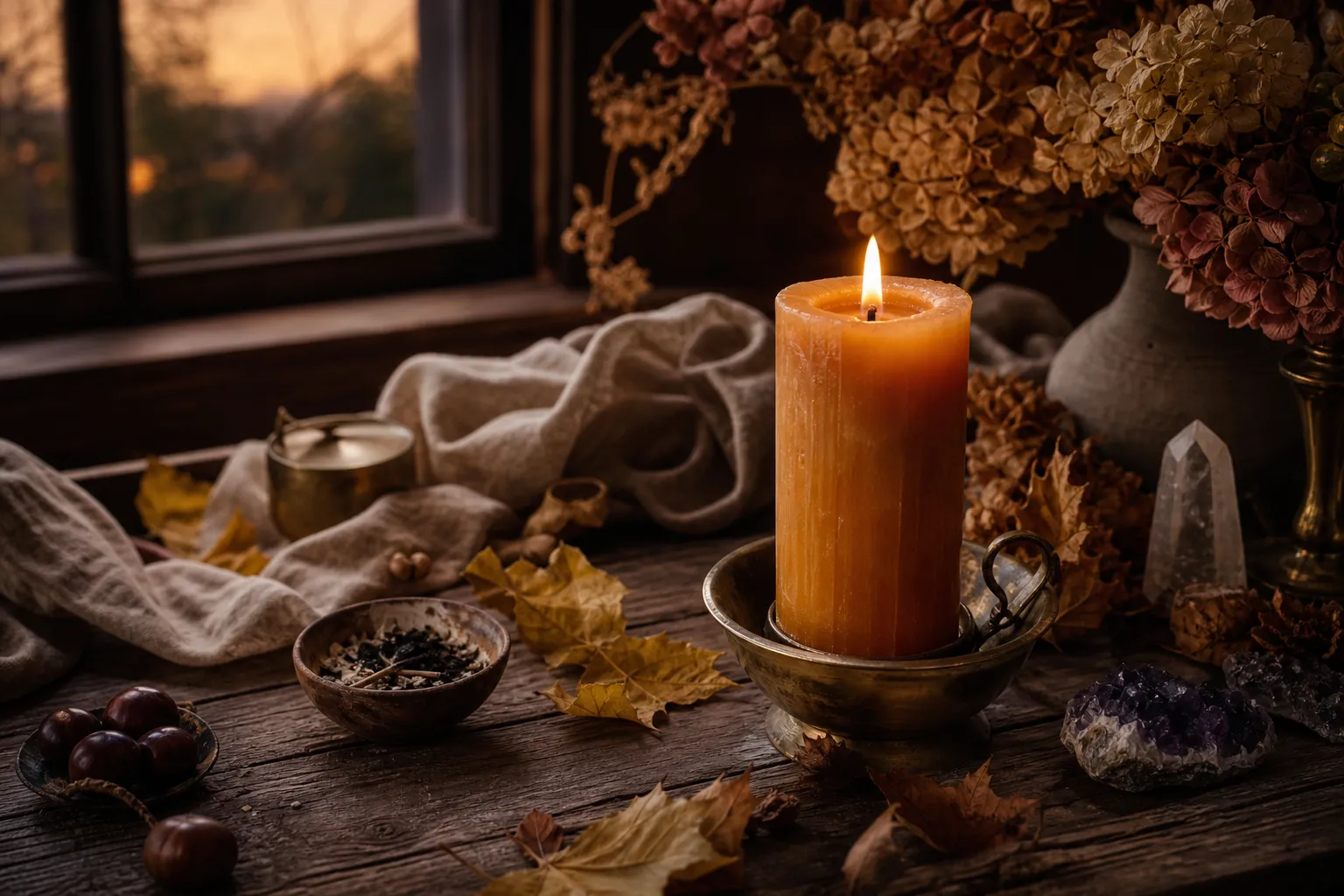
As the days fold into early November, much of Britain is lit by the flicker of flames: Bonfire Night, also known as Guy Fawkes Night, falls on Thursday, 5 November 2026. In parks and gardens, the scent of woodsmoke mingles with the cool air, and the sky is embroidered with embers and fireworks. The customs of this night, so familiar now, have roots that weave deep into British and Irish folk history—far older than the gunpowder plot itself.
The History of Bonfire Night
Bonfire Night marks the anniversary of the failed Gunpowder Plot of 1605, when Guy Fawkes and his co-conspirators attempted to blow up the House of Lords. In the wake of the plot’s discovery, 5 November became a day of thanksgiving, with bonfires and bells ringing across England. Parishes were encouraged to light fires in celebration, and by the 18th century, fireworks and burning effigies had become part of the tradition.
Yet, the ritual of lighting fires in early November predates these events. In many rural parts of Britain and Ireland, bonfires marked the end of the harvest and the coming of winter, echoing older Celtic festivals such as Samhain. These fires were seen as protective and purifying, standing between the old year and the new, between light and darkness.
Fire Folklore in Britain and Ireland
In folklore, fire is a threshold—both barrier and beacon. November bonfires were traditionally believed to ward off malevolent spirits as the veil between worlds thinned. Ashes from these fires were sometimes scattered across fields to bless the land or carried home as a charm against ill fortune.
In Ireland, Samhain fires were a communal affair, drawing neighbours together. Embers or torches from the communal fire would be carried home to rekindle the family hearth, symbolising unity and the passing of the year’s luck. In parts of Scotland and Wales, similar customs saw people leaping over embers or circling the fire for luck and protection.
Modern Bonfire Night Traditions
Today, Bonfire Night is marked by community gatherings, fireworks, and the burning of effigies. For many, the night is a time for warmth, storytelling, and reflection as the year turns. In some places, the customs are quietly observed at home, with a candle or small fire in the garden.
Safety is always important: whether lighting a bonfire or a candle, never leave a flame unattended. Many people also choose to mark the night with simple rituals that honour both the season and their own intentions, drawing on the symbolism of fire as a source of transformation and protection.
Bonfire Night Candle Ritual
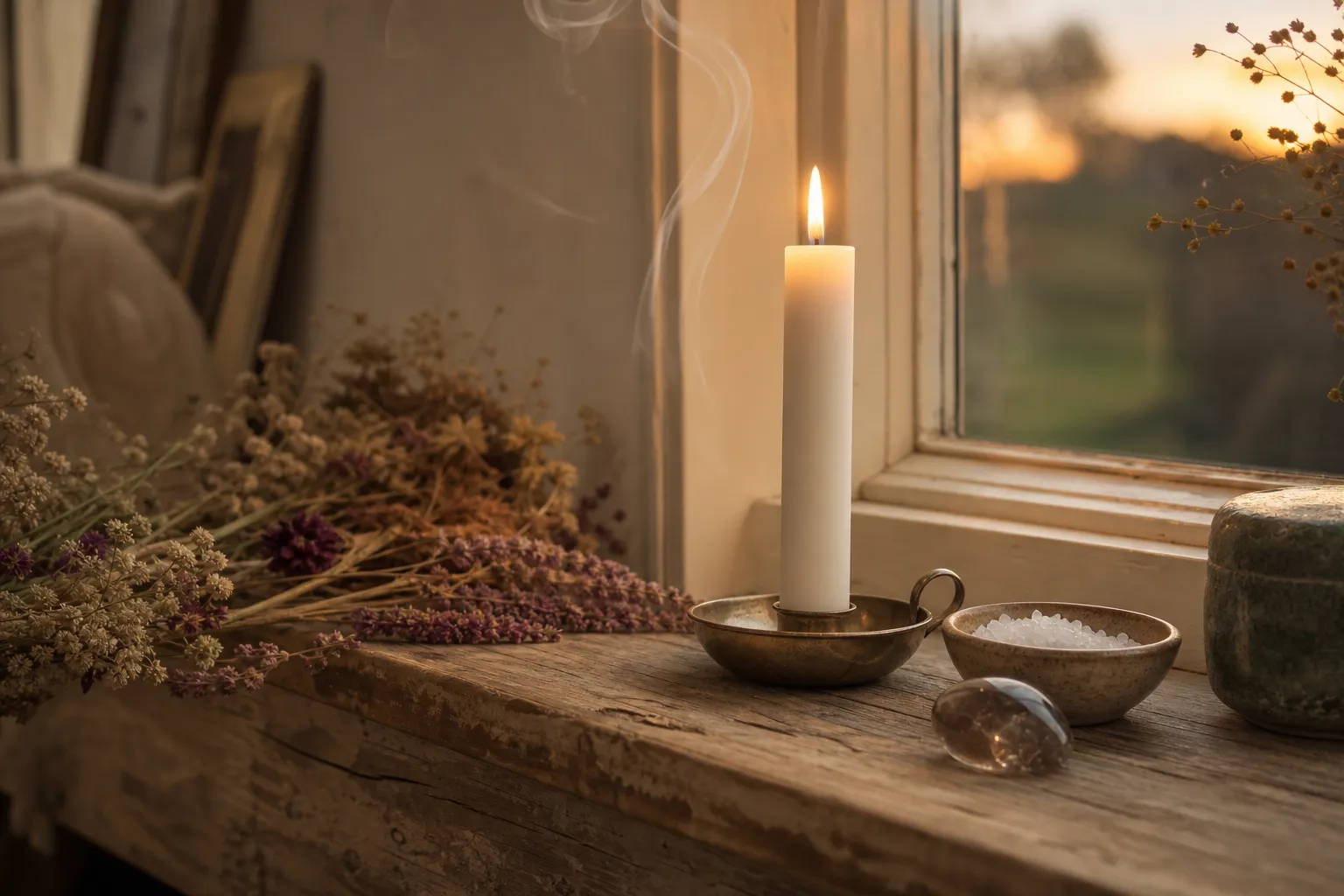
For those without space for a bonfire, a candle can serve as a smaller hearth. This simple ritual honours the season’s fire, inspired by both history and folklore. You can adapt it to your own needs and beliefs.
- Choose a candle in a safe holder (see our candle holders). Orange, red, or gold are traditional autumn colours, but any candle will do.
- Sit quietly and focus on the flame. As you watch it burn, reflect on what you wish to leave behind with the old year, and what you hope the winter will bring.
- Write a word or symbol representing what you wish to release on a small piece of paper. Hold it near (but not in) the flame for a moment, then set it aside safely.
- Thank the fire for its light. Allow the candle to burn for a while, then snuff it safely. Never leave a lit candle unattended.
For further inspiration, explore our candle magic guide and Rowan Hart’s personal candle spell.
Fire and the Turning Year
Bonfire Night sits at the hinge of the agricultural year, just after Samhain and before the winter solstice. Across Britain, fire rituals at this time reflect the hope for safety and light through the dark months ahead. Whether in a bustling crowd or by a single candle, the act of lighting a flame in November connects us to centuries of tradition.
If you’re curious about other seasonal customs, you might enjoy our Wheel of the Year overview or our ritual sets for marking the changing seasons.
Fire Magic and Reflection
Fire draws people together—across time as well as space. Whether you recall childhood nights wrapped in scarves, watching fireworks, or find meaning in the quiet glow of a candle, this night invites reflection. The old customs remind us that every flame, however small, can be a beacon of hope as the nights grow longer.
For more on the symbolism and history of candles, folklore, and seasonal rituals, visit our guides on candle magic and seasonal celebrations.
Questions and answers
Why do we light bonfires on 5 November?
Bonfires mark the anniversary of the failed Gunpowder Plot in 1605, though fire customs in November have older roots in harvest and protection rituals.
Are there similar fire customs in Ireland?
Yes, in Ireland, Samhain fires marked the year’s turning, with embers carried home to bless the hearth and land.
Can I do a Bonfire Night ritual indoors?
Yes, a single candle can symbolise the bonfire’s light. Always use a safe holder and never leave a burning candle unattended.