The British are known for their conversations about the weather, but our interest is more than small talk. For centuries, weather lore and old sayings were woven into daily life. From shepherds and sailors to gardeners and hedge witches, people observed nature closely, sharing wisdom in pithy phrases that still echo today. This guide explores some of the best-known British weather sayings, their roots in folklore, and how a beginner might use them to read the sky and seasons with a little more confidence.
Why Study Weather Lore?
Before forecasting apps and satellite maps, folk wisdom was essential for planning daily work, travel, and even magical practice. Weather lore blends observation, local knowledge and communal memory. While not every old saying is scientifically accurate, many are grounded in patterns noticed over centuries. For those drawn to the Wheel of the Year, gardening, or simply feeling more in tune with the land, learning a few traditional weather signs offers both practical guidance and a sense of connection to those who came before us.
Common British Weather Sayings and Their Meanings
These are some of the best-loved sayings, along with their traditional meanings and notes on accuracy:
- "Red sky at night, shepherd’s delight; red sky in the morning, shepherd’s warning." Widely known across Britain, this saying is rooted in the observation that a red sunset often signals fair weather ahead, while a red sunrise can mean rain or storms are on their way. This is usually accurate in the UK, where weather systems tend to move from west to east.
- "Rain before seven, fine by eleven." In folklore, early rain is thought likely to clear up by late morning. This sometimes holds true, especially with passing showers, but not in all regions or seasons.
- "Mackerel sky and mare’s tails make tall ships carry low sails." A "mackerel sky" (altocumulus clouds resembling fish scales) and wispy "mare’s tails" (cirrus clouds) often appear before a change in the weather, particularly approaching rain or wind. Sailors and farmers watched for these signs to prepare.
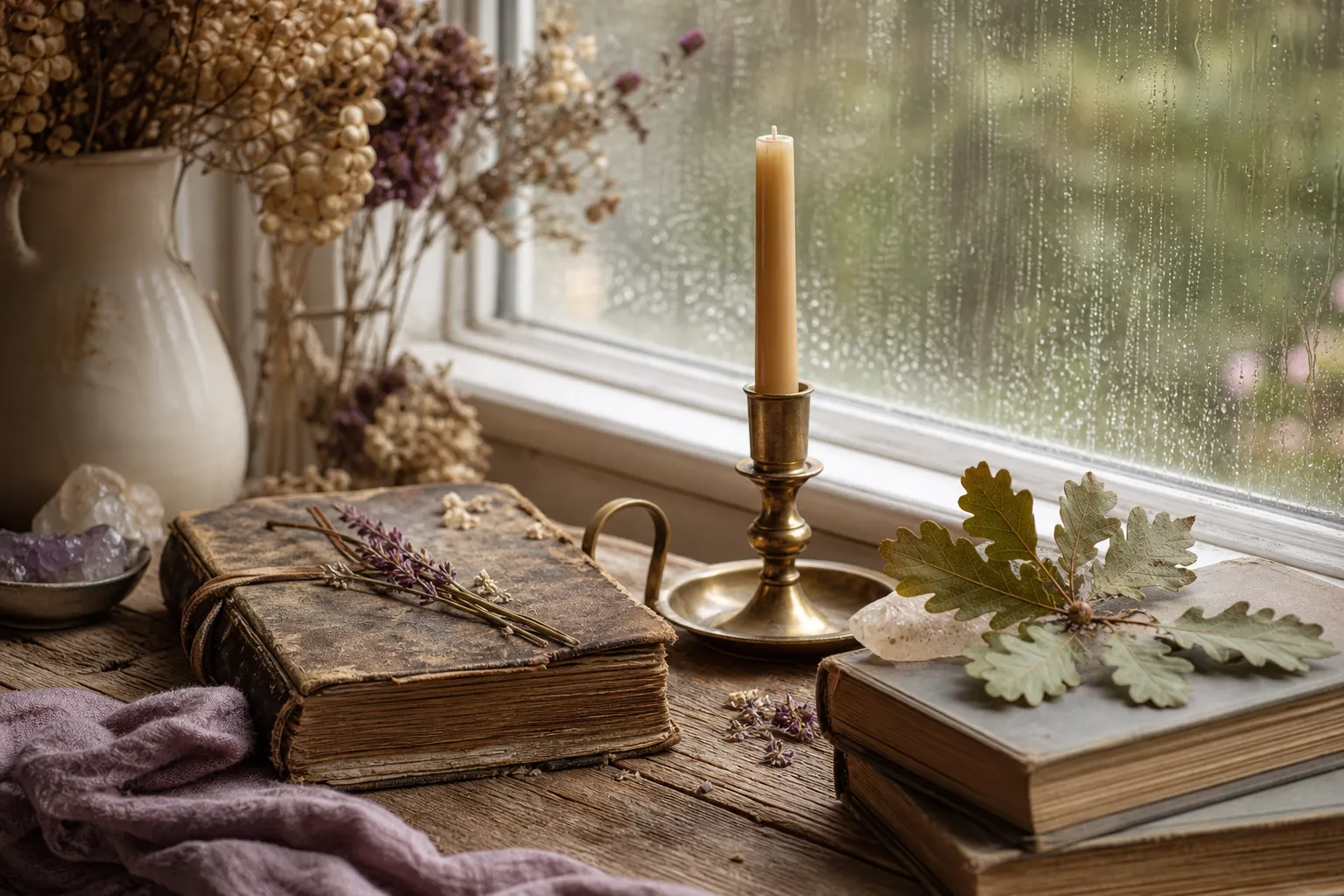
- "If the oak is out before the ash, we’ll have a splash; if the ash is out before the oak, we’ll have a soak." This rhyme links the leafing of oak and ash trees to the coming summer’s wetness. While charming, scientific studies have found little evidence for a reliable connection, though it’s a lovely excuse to observe the hedgerows each spring.
Weather Lore in British Folk Magic
In traditional British folk magic, the weather is more than a backdrop. Certain days, phases of the moon, and atmospheric signs are considered auspicious for specific rites or tasks. For example, sowing seeds is sometimes said to be best during a waxing moon and in settled weather. Rainbows, thunder and mist all have their place in local omens, too. In some regions, a rainbow in the east meant good weather, while one in the west was a warning of wet days ahead.
Many weather sayings are woven into agricultural and magical calendars. Old almanacs are full of notes on when to plant, harvest or gather based on the weather, moon and stars. For those working with candle magic or incense, awareness of damp or windy days can be practical as well as symbolic.
Reading the Sky: Practical Steps for Beginners
Learning to read the weather needn’t be complicated. Here are some ways to begin observing and applying weather lore in your own life:
- Keep a weather notebook. Each day, jot down the date, sky conditions, temperature, wind and any old sayings that seem to fit. Over time, you’ll notice which proverbs ring true in your area.
- Watch the clouds. Low, dark clouds often signal rain. High, thin clouds may mean fair weather—unless they’re moving in quickly, which can signal a change. Look for mackerel skies and mare’s tails as signs of approaching wet weather.
- Notice the wind direction. In much of Britain, winds from the west and south-west often bring rain, while those from the north or east tend to be drier or colder. Local geography can influence this, so take note in your own patch.
- Observe sunrise and sunset colours. Try the red sky adage for yourself, and see how often it matches the following day’s weather. Note any exceptions.
- Connect with the seasons. As you follow the seasonal festivals, observe how weather patterns shift and which sayings seem most relevant at different times. This can deepen your sense of place and time.
A Simple Weather Watching Ritual
- Choose a spot with a good view of the sky, preferably outdoors. Bring a notebook, pen, and, if you wish, a small candle in a holder (never leave a burning candle unattended).
- Sit quietly for a few minutes, focusing on your breath and the sensations around you. What can you see, hear, and smell?
- Observe the clouds, colours, wind and temperature. Note any birds, insects or animal behaviour.
- Write down your observations, along with the date and time. If you know a relevant weather saying, record it as well.
- If you’ve brought a candle, light it for a moment as a symbol of clarity and insight (remember to extinguish it fully before leaving). Reflect on any patterns you’ve noticed or questions you have about the weather.
Repeat this ritual regularly, building your own personal collection of weather wisdom.
Weather Lore and Magic Today
Many people today enjoy reviving old weather sayings as part of their practice, blending tradition with observation. While not every proverb will ring true in every place or season, paying attention to the land and sky offers a sense of rootedness and respect for nature’s rhythms. If you’re interested in connecting weather lore to magical work, try incorporating current conditions into your planning—perhaps choosing a candle or incense that suits the mood of the day, or using weather as part of divination with tarot or crystals.
Over time, you may find your own favourite sayings, or even coin new ones, as you get to know the unique dance of weather in your part of Britain.
Questions and answers
Are old weather sayings always accurate?
Many weather sayings are based on long observation and can be surprisingly accurate in some regions, but not all are reliable everywhere or in all seasons.
Can I use weather lore in my magical practice?
Yes. Many traditions incorporate weather signs into rituals, timing, and divination, though it’s best used alongside your own observation.
What’s the simplest way to start learning weather lore?
Begin by keeping a daily weather notebook and noting which sayings seem to fit your local patterns.