








What does jade mean?
Jade is the stone of harmony. It is linked with balance, serenity, kindness and wisdom, and with the good fortune that comes from living well. In Chinese tradition it stands for the virtues of a noble person: purity, honesty, courage and modesty. A piece of jade worn every day is a reminder of those qualities.
It is also a stone of protection and of long life, given at births, weddings and important birthdays, and passed down through families as an heirloom.
What is jade?
“Jade” is really two different minerals. Nephrite is a dense mat of fibrous crystals, usually creamy to dark green, and is the jade of ancient China and of New Zealand. Jadeite is rarer and can be a vivid emerald green, as well as lavender, white and black; the finest comes from Myanmar. The French mineralogist Alexis Damour showed in 1863 that they were two separate minerals.
Both are exceptionally tough. Jade is not the hardest stone, but its interlocking fibres make it very hard to break, which is why it was used for tools long before it was used for jewellery.
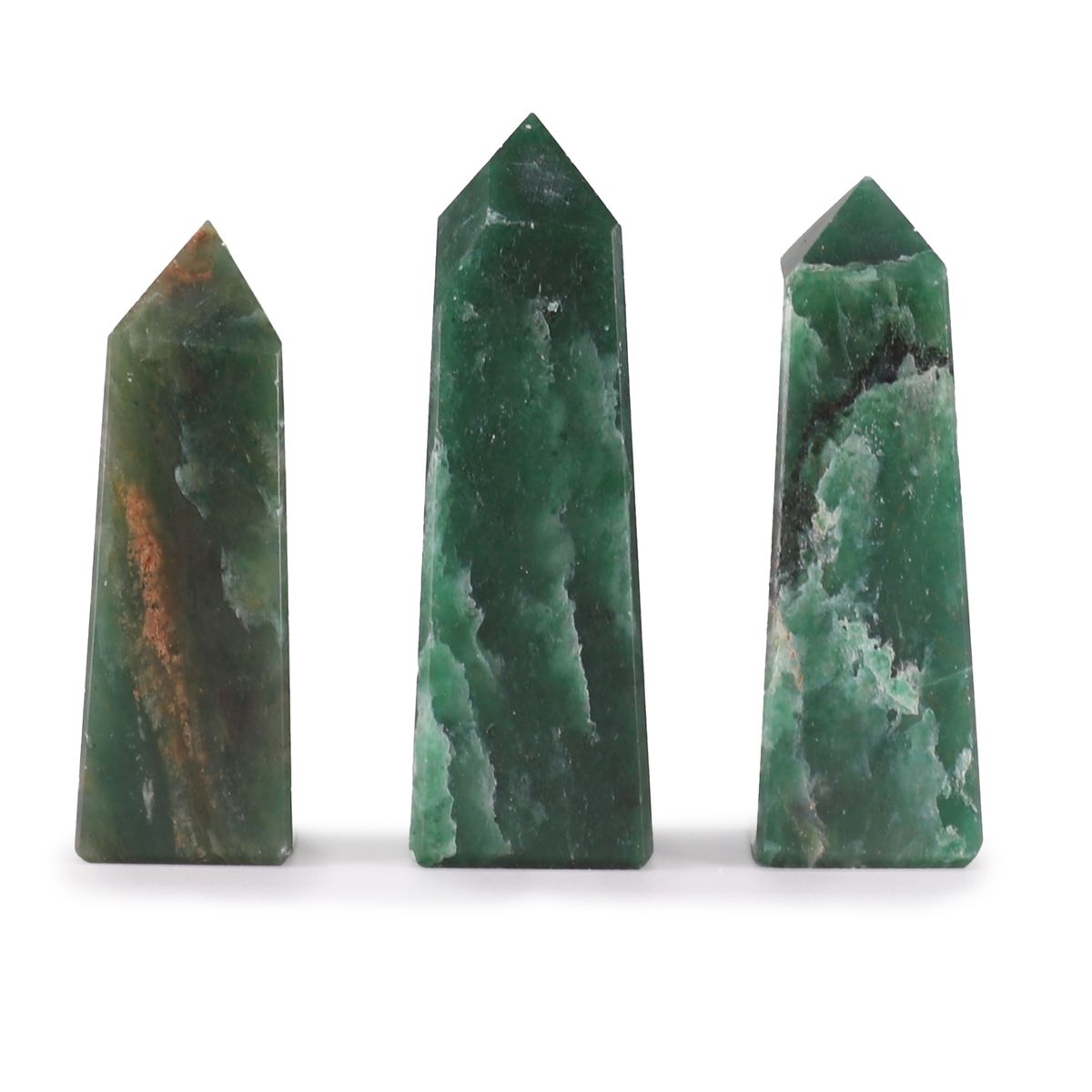
Because jade is so valued, many other green stones are sold under its name, such as serpentine (“new jade”), aventurine (“Indian jade”) and dyed quartz (“Malaysian jade”). These are lovely stones in their own right, but they are not true jade.
The history and folklore of jade
In China jade has been carved for at least seven thousand years, into ritual discs and tubes, burial suits and the finest ornaments. Confucius compared its qualities to those of a virtuous person, and a Chinese saying holds that gold has a value, but jade is priceless.
In New Zealand, Māori carve nephrite, known as pounamu or greenstone, into treasured adzes, weapons and pendants such as the hei-tiki, handed down through generations.
And in Britain, Neolithic people prized polished axe heads made of jadeitite quarried high in the Italian Alps and carried across Europe. Too fine to have been used for chopping, they were treasures and offerings. One was found beside the Sweet Track, the ancient wooden walkway across the Somerset Levels, laid there more than five thousand years ago.
Jade in hedge magic and folk practice
In folk practice jade is a stone of the household’s good fortune. It is kept by the front door or the hearth, given to new babies and newlyweds, and carried for luck and protection. Green jade belongs with the garden and with spring, and with spells for steady, lasting prosperity rather than sudden windfalls.
It pairs well with green candles, with moss, ferns and evergreens, and with work done on a Thursday or Friday.
How to use jade
- For harmony. Keep jade in a family room or a shared home to encourage peace between people.
- For luck. Carry a small piece or wear a bangle, a traditional way to keep good fortune close.
- As an heirloom. Give jade for a birth, wedding or milestone, to be passed down.
- For calm. Hold a smooth piece of jade and run your thumb over it when you need to settle.
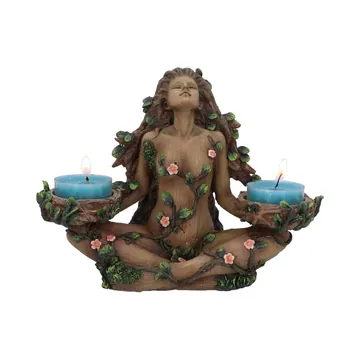
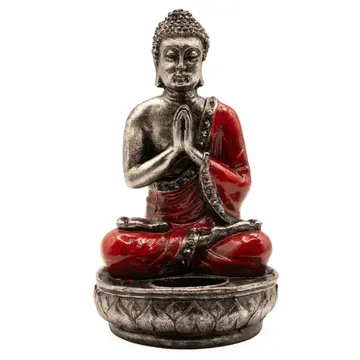
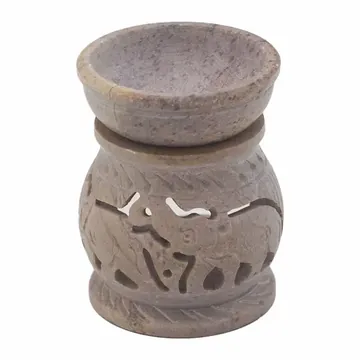
- In the home. Jade carvings and tealight holders bring a quiet, green glow to a room.
Where to put jade at home: The entrance to your home, the living room, a garden room or a bedroom.
A jade ritual for household harmony
Best on a Friday or a full moon.
- Light a green candle in the room where your household gathers most.
- Hold your jade and think of each person who lives there, one by one.
- For each, say their name and one thing you wish for them.
- Place the jade in the centre of the room, on a shelf or table, and leave the candle to burn for a few minutes while you sit with it.
- Snuff the candle and leave the jade in place as a keeper of the peace.
Never leave a burning candle or incense unattended, and keep both well away from bedding, curtains, children and pets.
Crystals that pair well with jade
- Rose quartz adds warmth and love to jade’s harmony.
- Green aventurine adds luck and opportunity.
- Clear quartz brings clarity and is said to amplify jade.
- Moonstone adds gentle intuition.
How to cleanse and care for jade
Water. True jade is tough and can be wiped with a damp cloth or rinsed and dried. Avoid hot water and harsh cleaners.
Wearing. Jade is said to grow more beautiful the more it is worn and handled.
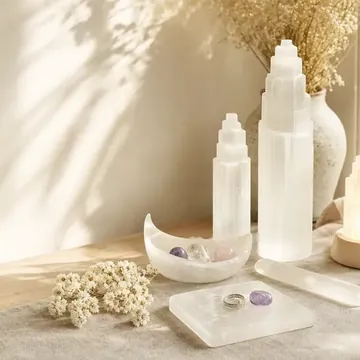
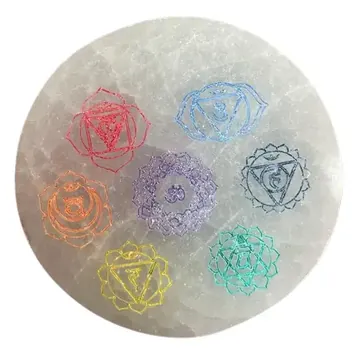
Cleansing. Smoke, moonlight, sound or a selenite plate all suit it.
Our guide to how to cleanse crystals explains each method in more detail.
How to tell if jade is real
True jade feels cool and surprisingly heavy for its size, and has a smooth, slightly waxy lustre when polished. Very bright, perfectly even green at a low price is often dyed. If a piece is sold simply as “jade”, it may be another green stone such as serpentine or aventurine, which is worth knowing before you buy something as an heirloom.
Jade: questions and answers
What does jade mean spiritually?
Jade is the stone of harmony, good fortune, wisdom, serenity and long life, and in Chinese tradition a symbol of virtue.
What is jade good for?
In crystal tradition it is used for harmony at home, luck, calm and protection. Crystal meanings come from folklore and tradition and are not a substitute for medical advice.
What is the difference between nephrite and jadeite?
They are two different minerals both called jade. Nephrite is fibrous and usually creamy to dark green; jadeite is rarer and can be vivid green, lavender, white or black.
Can jade go in water?
Yes. True jade is tough and can be rinsed and dried. Avoid hot water and chemicals.
Which star sign is jade for?
Jade is linked with Taurus, Libra and Pisces.
Was jade found in ancient Britain?
Yes. Polished Neolithic axe heads of jadeitite from the Italian Alps have been found in Britain, including one beside the Sweet Track in Somerset.
Can jade go in water or sunlight? Where should it live in your home? Your crystal questions, answered.
Crystal meanings come from folklore and tradition. They are not a substitute for medical advice.