








✦ Wisdom from the cards ✦
Your Tarot Questions, Answered
Does Death mean a breakup? What does someone feel for you? Why did that card leap from the deck? Gentle guidance on the questions that come to mind when the cards are laid down, illustrated with our own Hedge Magic deck.
by Rowan Hart
The tarot is an old and gentle mirror. Its cards speak in pictures, symbols and feelings, and every reading is a conversation between the deck and your own intuition.
Love, breakups and relationships
Does the Death card mean a breakup?
✦ The short answerNot usually. Death almost never means a literal ending of life, and in a love reading it most often speaks of a chapter closing so that a new one can begin, which can happen inside a relationship as well as at its end.
Death is the card people fear most, yet traditionally it is a card of transformation. The skeleton on horseback is not coming for anyone; it is clearing the field so that something new can grow. In our deck the scene sits in a hedgerow at the turning of the year, with the first green shoots already showing.
In a love reading, Death can reflect an old pattern, a habit or a way of relating that has run its course. For a couple, that might be the end of the honeymoon stage and the start of something steadier. For someone single, it can be the moment an old attachment finally lets go. If a relationship has already ended, Death gently confirms that the door is closed and asks you to look forward rather than back.
Ask yourself: what in this connection is ready to change, and what would I like to grow in its place?
Does The Tower mean a breakup?
✦ The short answerThe Tower speaks of sudden change and things coming to light. In love it can reflect a shake-up, a truth being spoken or a structure that was not built on solid ground, but it is not a fixed sign that a relationship will end.
The Tower is struck by lightning and its crown tumbles. It is a dramatic image, and many people feel a jolt when they draw it. Traditionally, though, the lightning is a flash of truth: whatever falls was not standing on firm foundations.
In a relationship reading, The Tower can mirror an argument that clears the air, a secret coming out, or a realisation that changes how you see things. Some couples come through a Tower moment closer and more honest. Sometimes it confirms that something was already crumbling. Either way, the card asks you to stay grounded and look clearly at what is being revealed.
Ask yourself: what truth is trying to reach me, and what would a steadier foundation look like?
Does The Devil mean a toxic relationship?
✦ The short answerThe Devil is about attachment, temptation and feeling stuck. In love it can point to strong desire or to a pattern that keeps you tied, but its chains are loose: the card reminds you that you have more freedom than you think.
Look closely at The Devil and you will see the two figures wear chains that are loose enough to lift off. That detail is the heart of the card. It describes a bond, a habit or a longing that feels impossible to leave, while quietly showing that the way out is open.
In a love reading The Devil can simply mean powerful attraction and passion. It can also reflect jealousy, dependence, or staying out of fear rather than love. It never decides for you; it asks you to notice where you feel held and whether that hold is healthy.
If a relationship ever leaves you feeling unsafe or controlled, please talk to someone you trust. The cards can guide you, but your safety and wellbeing always come first.
Does the Three of Swords mean heartbreak?
✦ The short answerOften, yes, it reflects sorrow, hurt or a painful truth. But it describes a feeling rather than a final outcome: it names the hurt so that healing can start.
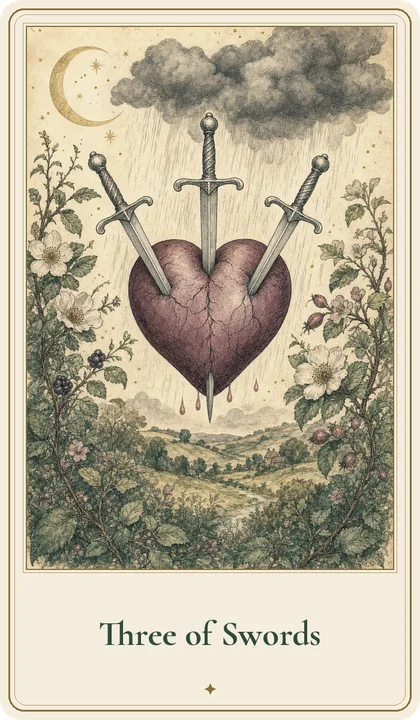
Three swords through a heart, with rain falling behind: it is one of the most recognisable cards in the deck. The Three of Swords speaks of grief, disappointment or words that sting. Drawing it can feel like being seen in a hard moment.
In love it might reflect a past hurt that still aches, a misunderstanding, or a conversation you have been dreading. It can also appear after a breakup, acknowledging the sadness. The rain in the image is important: storms pass, and the ground softens afterwards.
Ask yourself: what does my heart need to hear right now, and who could I share this with?
What do the Ten of Swords and Five of Cups mean in a love reading?
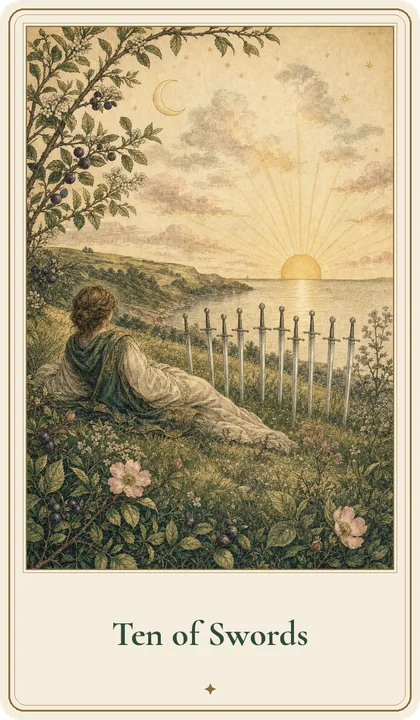
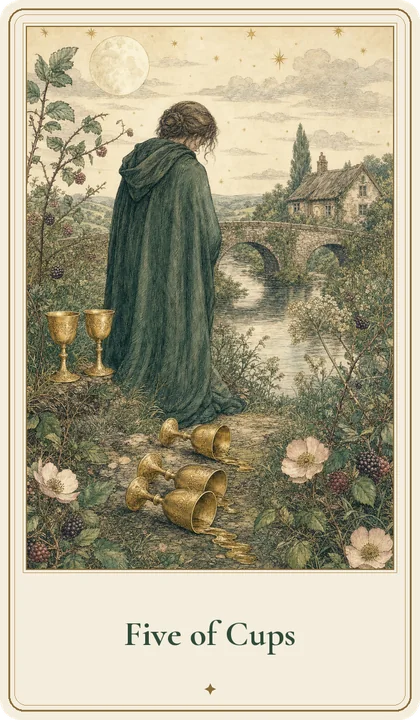
✦ The short answerThe Ten of Swords marks a painful low point that is also an ending of the worst; the Five of Cups shows grief over what was lost, with two full cups still standing behind. Both ask you to notice what remains, not only what has gone.
The Ten of Swords looks frightening, yet the sky behind the figure is beginning to lighten. Traditionally it means things cannot get much heavier, and that the hardest part is over. In love it can reflect feeling let down or exhausted by a situation, and the relief of finally reaching the bottom of it.
The Five of Cups shows a cloaked figure mourning three spilled cups, not yet turning to see the two that are still full. It is a card of regret and disappointment, and of the comfort that is still within reach. In a relationship reading it often asks you to grieve honestly and then turn around.
Which tarot cards seem to mean a breakup?
✦ The short answerThe cards people most often worry about are Death, The Tower, the Three of Swords, the Ten of Swords, the Five of Cups and the Eight of Cups. Each speaks of change, hurt or walking away from something, yet none of them seals the fate of a relationship.
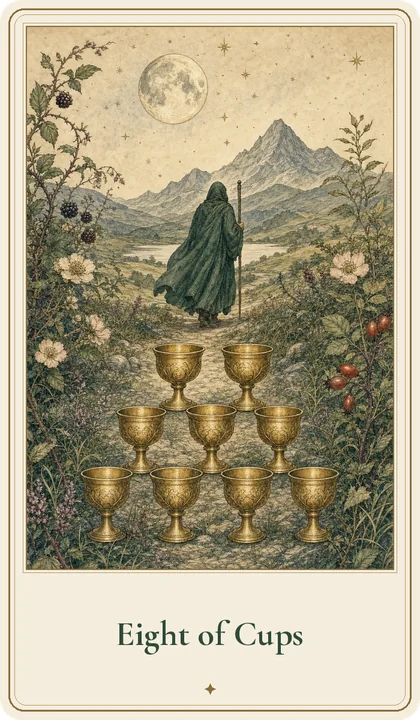
The cards speak to the energy around you rather than fixing what must happen. These cards tend to appear when something feels painful or uncertain, and they give that feeling a shape you can look at. The Eight of Cups is perhaps the closest to "leaving": a figure walks away from stacked cups towards the hills, choosing something more meaningful. Even then, the card is about what you are searching for, not a sentence passed on you.
If you draw several of these together, it is a good moment to be gentle with yourself and to ask what you truly need. If you draw them for someone else, remember that only they can choose what they do.
What are the best cards to get in a love reading?
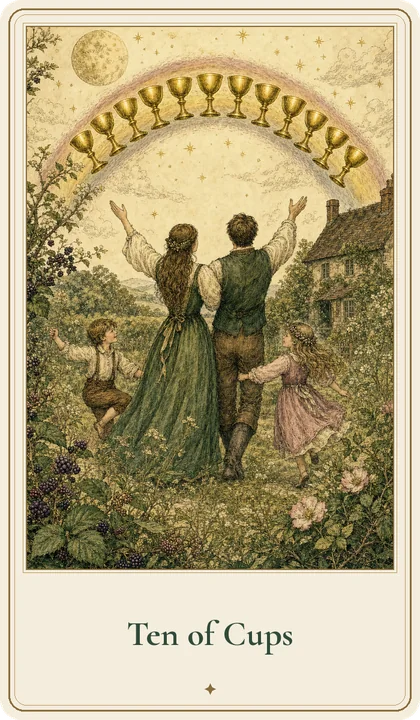
✦ The short answerThe cards most loved in a relationship reading are The Lovers, the Two of Cups, the Ten of Cups, the Ace of Cups, The Sun, The Star and the Four of Wands: they speak of connection, joy, a fresh start of feeling and a happy home.
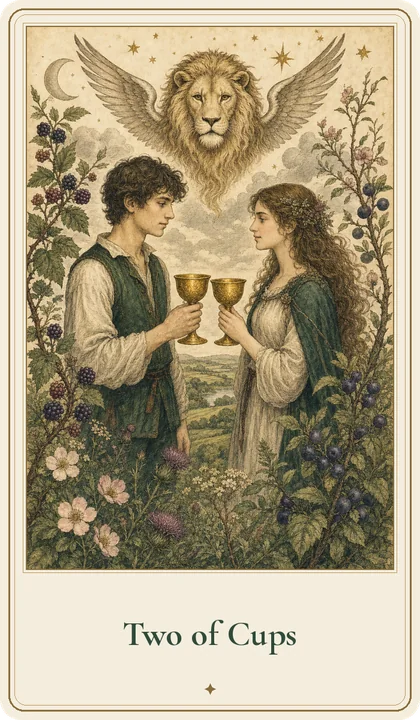
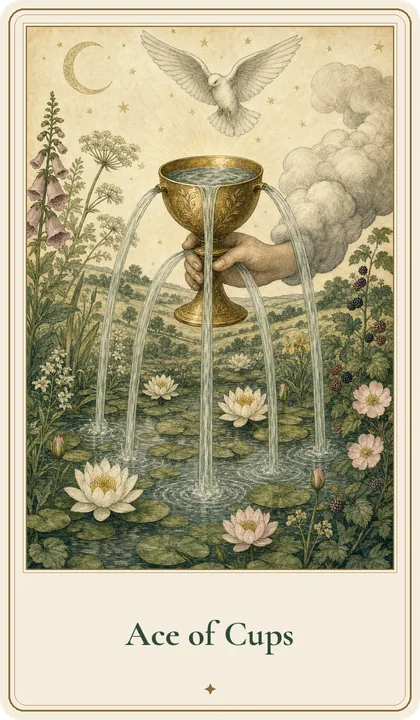
The Two of Cups is the card of two people meeting as equals, and it is often called the most romantic card in the deck. The Lovers speak of deep connection and a meaningful choice. The Ten of Cups shows contentment and a family feeling, and the Ace of Cups is the overflowing start of new love or renewed tenderness. The Sun brings warmth and openness, and The Star brings hope and healing after a difficult time.
A lovely card is an invitation rather than a promise. It shows what is possible and what is already good, and asks you to nurture it.
Which tarot cards suggest a soulmate or true love?
✦ The short answerThe Lovers and the Two of Cups are the cards most often linked with a soulmate connection, with the Ten of Cups for lasting happiness and The World for a sense of coming home. They describe the quality of a bond rather than naming a person or a date.
People often ask whether a card can tell them they have met "the one". The cards will not name a person for you, but they describe how a connection feels: mutual, easy, deeply familiar. The Two of Cups is the meeting of equals; The Lovers is the meeting of souls and values; the Ten of Cups is the home you build together.
If these cards appear, notice what they are reflecting back to you about the love you want and the love you give.
What tarot cards are linked with twin flames?
✦ The short answerReaders who use the idea of twin flames often link it with The Lovers, the Two of Cups, Judgement, The Moon and The Tower: intense recognition, strong mirroring, awakening and upheaval. The cards can illuminate an intense bond; only your own heart can know its true nature.
The twin flame idea describes a connection that feels like meeting your mirror, often with intense highs and lows. Judgement speaks of awakening and a calling you cannot ignore; The Moon of longing, dreams and uncertainty; The Tower of the shake-ups such connections can bring.
A gentle note: a bond that is intense is not always a bond that is healthy. If a connection brings more pain than peace, the cards are inviting you to look after yourself first.
Which tarot cards suggest a new relationship?
✦ The short answerThe Ace of Cups, the Page of Cups, the Knight of Cups, the Two of Cups and The Fool are the classic cards of new feelings: a fresh start of the heart, a sweet message, a romantic gesture and a leap into something new.
The Ace of Cups overflows with new emotion. The Page of Cups brings playful, tender news; the Knight of Cups arrives with an offer or a romantic gesture. The Fool is the bravery to step into something unknown, which every new relationship needs.
These cards describe openness and possibility. They often appear when you are ready to let someone in, whoever that turns out to be.
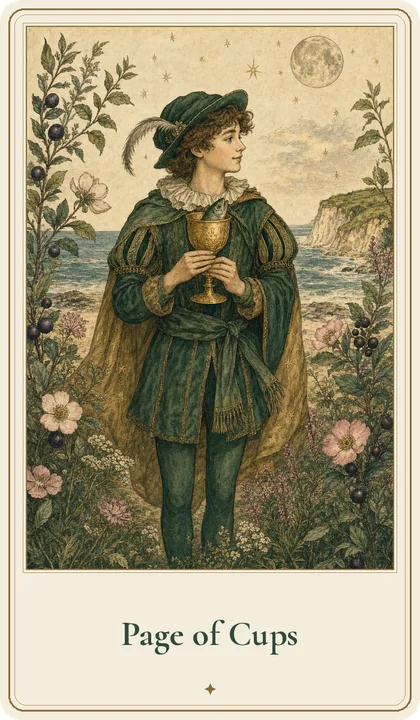 Page of Cups
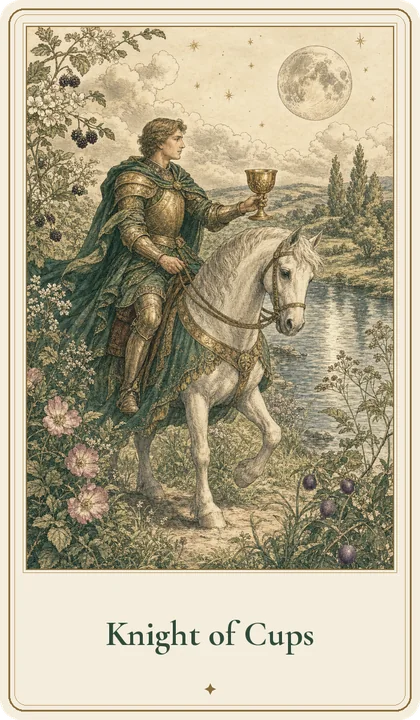 Knight of Cups
Can tarot tell me if my ex will come back?
✦ The short answerThe cards cannot choose for another person, but they can show the energy that lingers between you, what the relationship taught you and what your heart needs now, which is often the clearer answer.
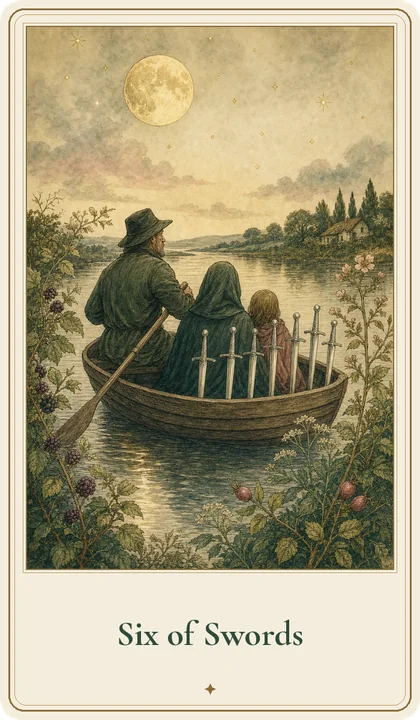
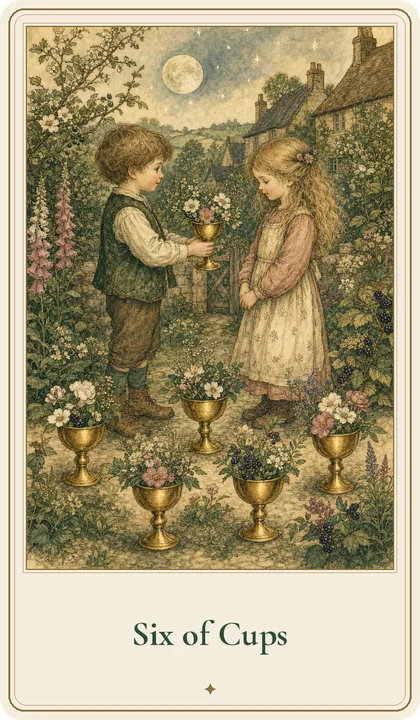
It is one of the most common questions brought to the cards, and it comes from a tender place. Cards such as Judgement, the Six of Cups and the Two of Cups are often associated with reunions and nostalgia, while Death, the Eight of Cups and the Six of Swords speak of moving on.
Rather than asking "will they come back?", try asking "what do I need to understand about this relationship?" or "what would help me heal?". Those questions give you something you can act on, whatever the other person does.
How someone feels
How does someone feel about me? What tarot can show
✦ The short answerMany readers draw a card to sense the energy between two people. Below is what each Major Arcana card traditionally suggests about feelings: a glimpse of the energy around a connection rather than a verdict on it.
When you draw a card asking how someone feels, notice what it stirs in you too: your hopes, your intuition about the situation and what you might want to say. The cards open the door, and a kind, open conversation often walks through it.
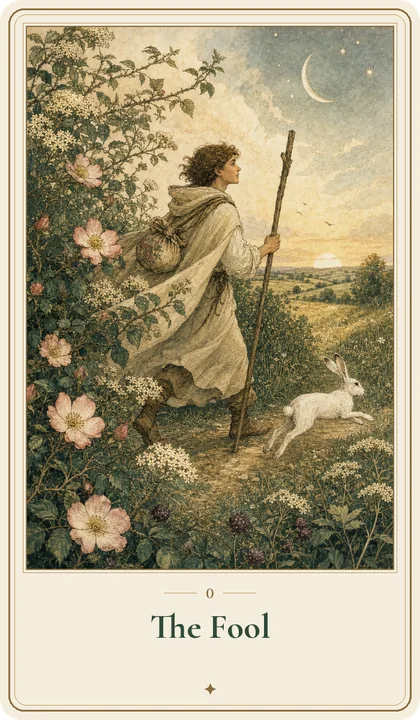 The FoolExcitement and curiosity, a sense of fun and possibility, perhaps without a plan yet.
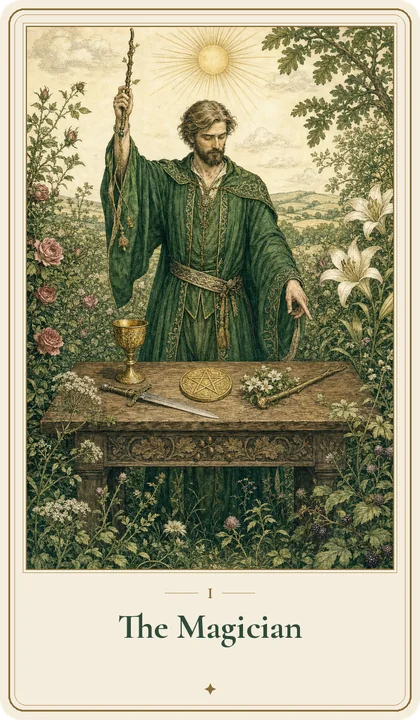 The MagicianInterest and intention: someone who feels drawn to act and make something happen.
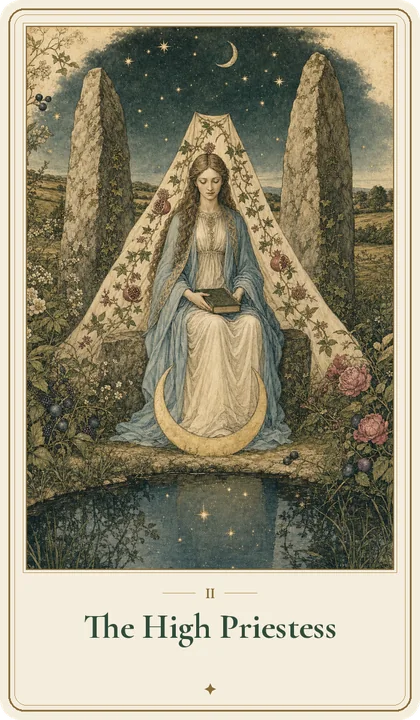 The High PriestessQuiet, private feelings that are not easily shared; intuition and some mystery.
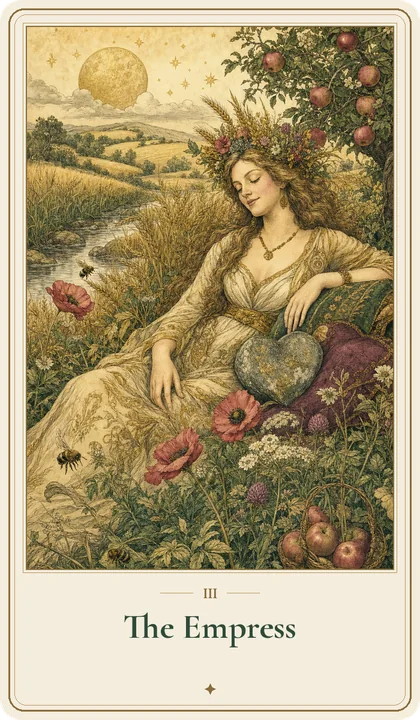 The EmpressWarmth, care and affection; a nurturing, comfortable fondness.
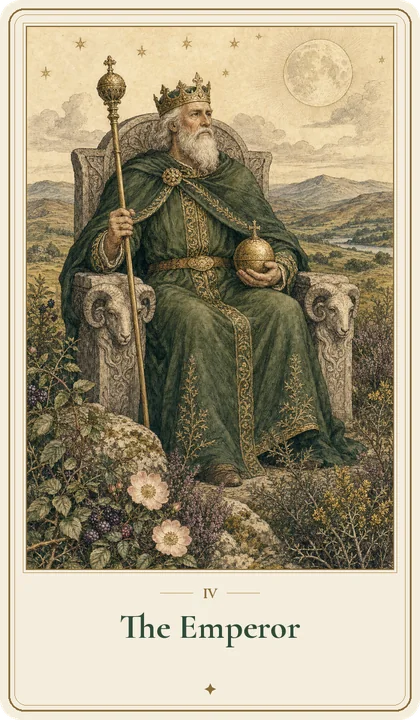 The EmperorRespect, protectiveness and a wish for stability, sometimes expressed through structure rather than words.
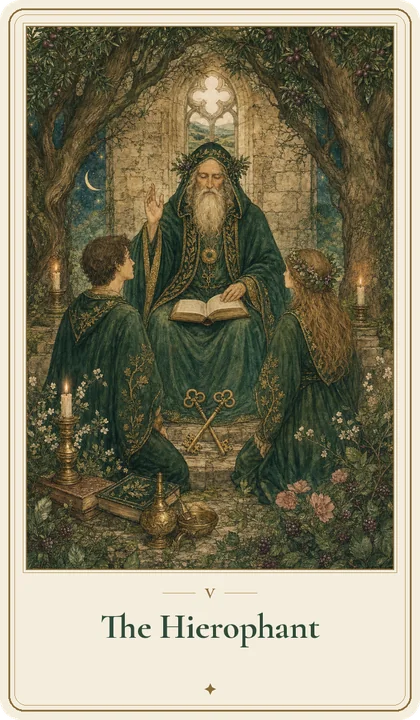 The HierophantTraditional, sincere feelings; respect for commitment and shared values.
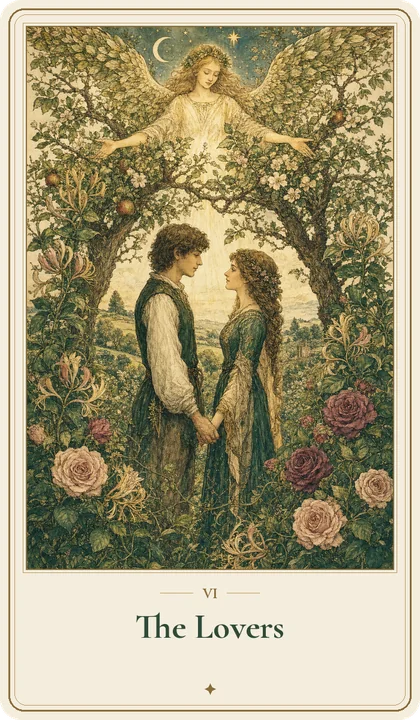 The LoversDeep attraction and connection, and a sense that something important is at stake.
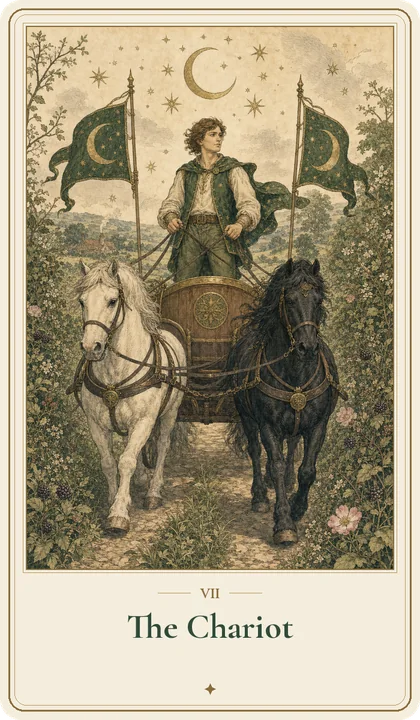 The ChariotDetermination and drive; strong feelings, sometimes held in check.
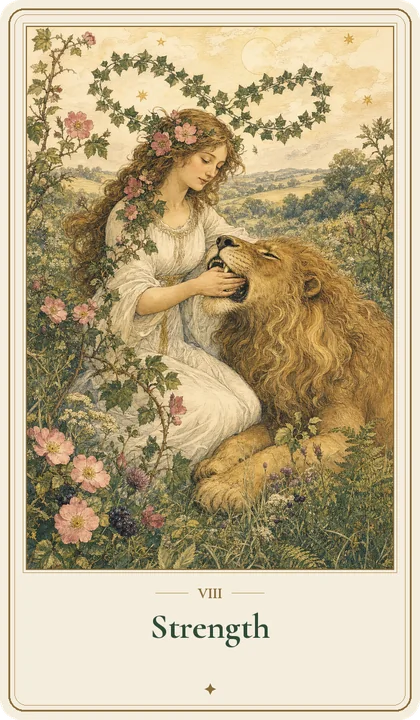 StrengthPatience, gentleness and quiet strength; feelings expressed with care.
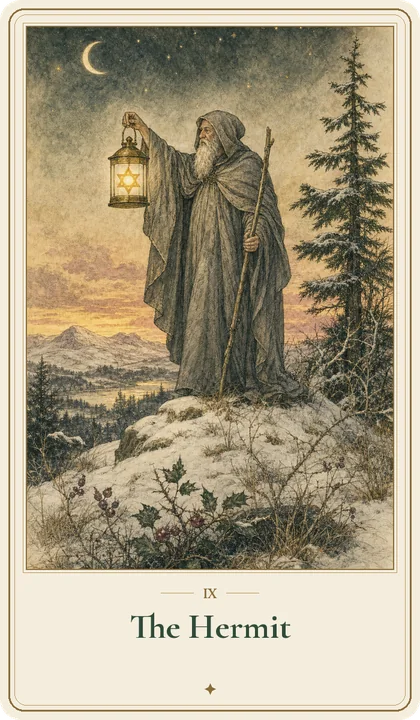 The HermitA need for space and reflection; feelings being thought through privately.
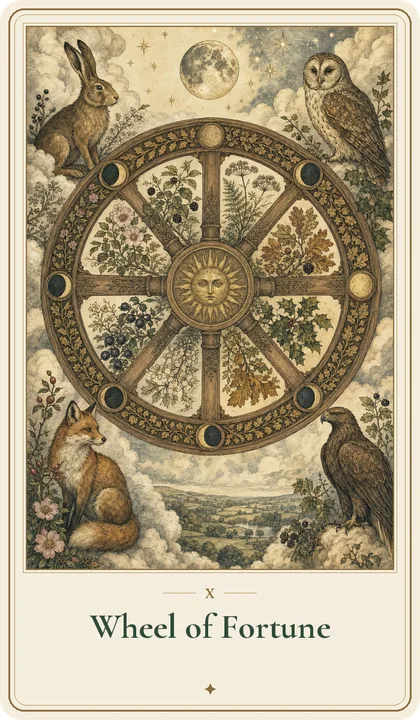 Wheel of FortuneA sense of fate or timing; feelings that are changing or still settling.
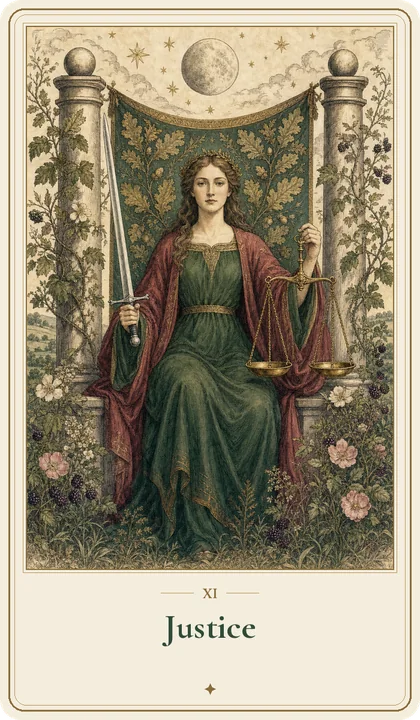 JusticeFairness and honesty; a wish to do the right thing and see the situation clearly.
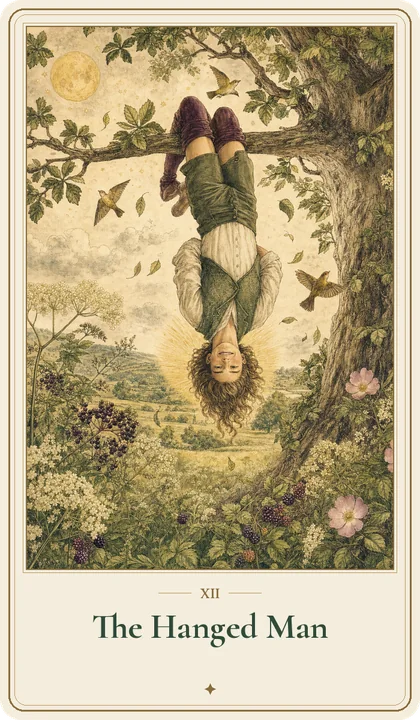 The Hanged ManFeeling in limbo or uncertain; waiting and looking at things from a new angle.
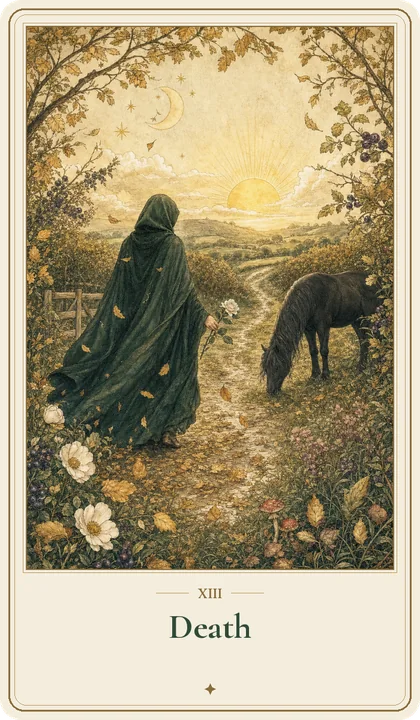 DeathFeelings in transformation: something is ending or changing so something new can begin.
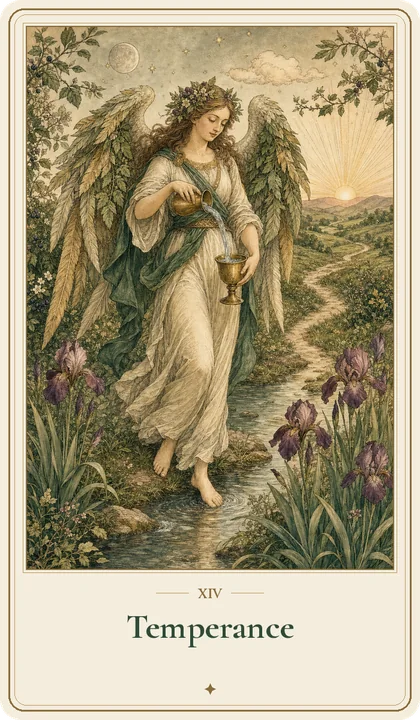 TemperanceCalm, balanced feelings; patience and a wish for harmony.
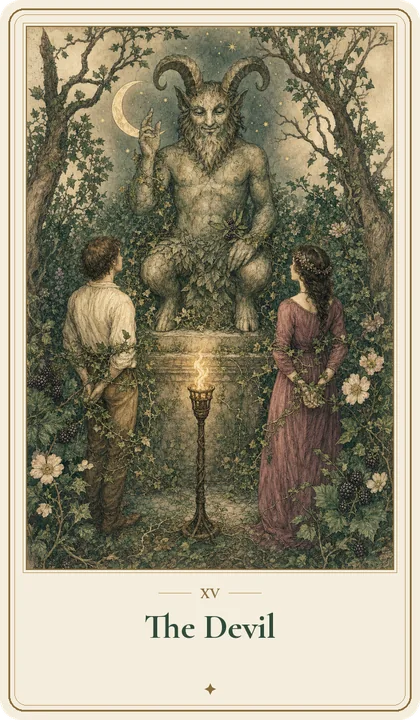 The DevilStrong desire or attachment, which may feel intense or hard to step away from.
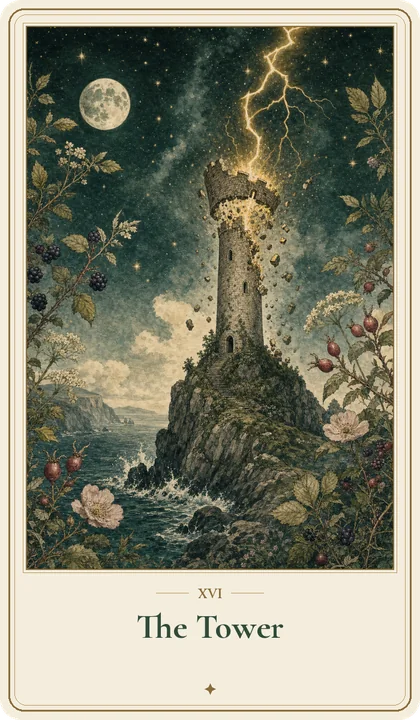 The TowerShaken or surprised feelings; a realisation that has changed things.
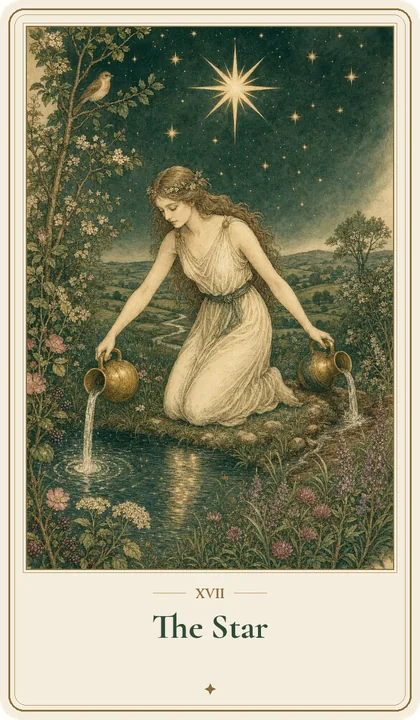 The StarHope, admiration and tenderness; feelings that are healing and open.
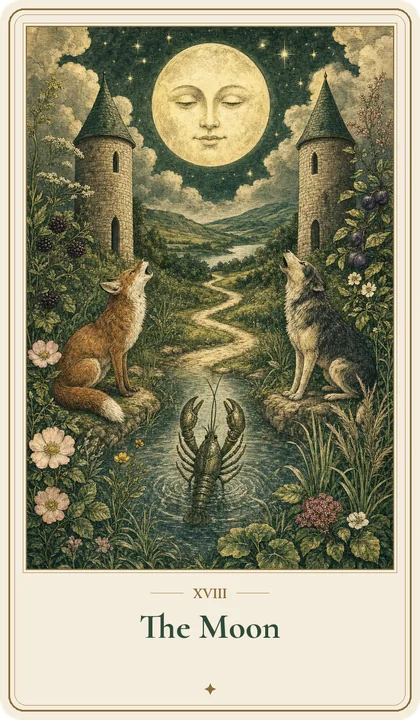 The MoonMixed or uncertain feelings; longing alongside confusion or unspoken worries.
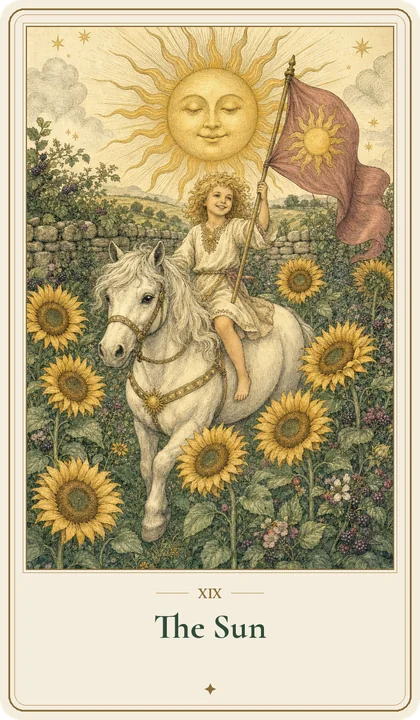 The SunJoy, warmth and openness; happiness in the connection.
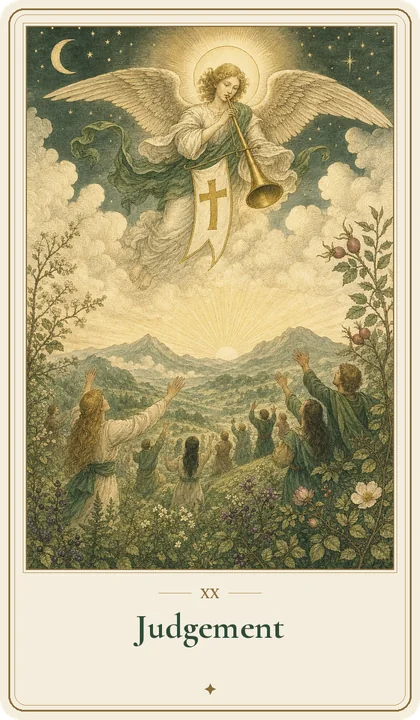 JudgementReflection and reawakening; a wish to reconsider or make peace with the past.
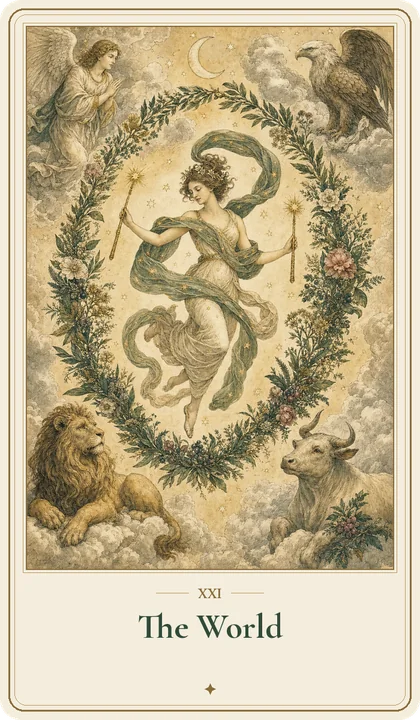 The WorldFulfilment and a sense of completeness; feeling at home.
Questions while you read
What does it mean when a tarot card jumps out of the deck?
✦ The short answerMany readers treat a card that falls or "jumps" out while shuffling as a message worth noticing, and read it alongside the spread. Others simply put it back. Both are fine: it is your reading, and your choice.
Jumper cards are part of tarot folklore. Some readers feel a card that flies out is asking to be seen, so they place it to one side and read it as a theme or extra advice for the reading. Others see it as a shuffling accident and slip it back in.
A simple way to decide: if the card catches your attention or seems to fit, read it. If it feels random, return it. Over time you will develop your own habit, and that consistency matters more than the rule you choose.
Why do I keep pulling the same tarot card?
✦ The short answerA card that keeps appearing usually points to a theme you are still living through or a message you have not yet taken in. It is an invitation to stay with that card a little longer.
It can feel uncanny to draw the same card day after day. Most readers see it as a sign that its theme is still active: the Five of Cups might keep appearing while you are grieving, or The Star while you are rebuilding hope.
Try journalling with the card: what do you notice in the picture today that you did not see before? What is the advice in it, and have you tried it yet? Our card meanings include advice for every card to help.
Are Death, The Tower and The Devil bad cards?
✦ The short answerThere are no truly bad cards. Death, The Tower and The Devil look dramatic, but they speak of transformation, revelation and loosening what holds you back, and many readers come to see them as some of the most useful cards in the deck.
These three are sometimes called the "scary" cards because of their imagery. Death is change and endings that make room for beginnings. The Tower is a sudden truth that clears away what was not solid. The Devil is attachment and temptation, with the reminder that you are freer than you feel.
Hard cards are often the most honest ones. They name what is difficult so that you can meet it with your eyes open.
What is the worst tarot card to draw?
✦ The short answerMany people would say the Ten of Swords, the Three of Swords or The Tower, because they describe pain or upheaval. But each also contains hope: the Ten of Swords is the end of the worst, the Three of Swords the start of healing, and The Tower the truth that frees you.
The "worst" card is usually the one that touches a sore spot at the time. A card that feels heavy is still offering guidance. Look for the small detail of hope in every image, such as the dawn behind the Ten of Swords.
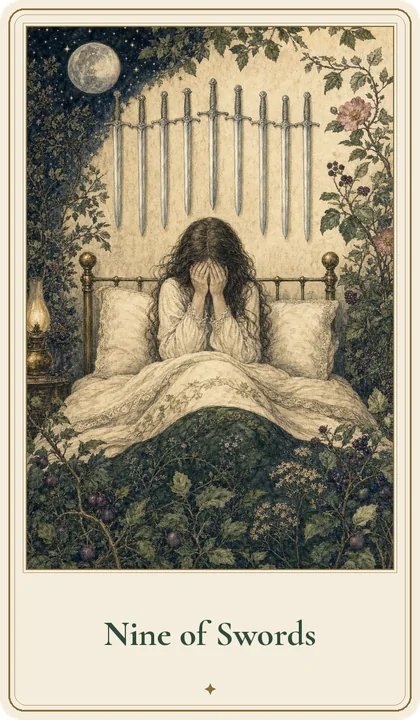 Nine of Swords
What does a reversed tarot card mean?
✦ The short answerA reversed (upside down) card usually softens, delays or turns inward the upright meaning. Many readers do not use reversals at all, which is perfectly fine, especially when you are starting out.
If you choose to read reversals, think of them as the same energy flowing differently: blocked, internal, beginning or fading. A reversed Ace of Cups might be love you are keeping to yourself; a reversed Tower might be a change you are resisting.
Every one of our card pages includes the traditional reversed meaning, so you can explore them when you are ready.
Can you read tarot for yourself?
✦ The short answerYes. Reading for yourself is how most people learn tarot, and a daily single card is one of the best ways to build your understanding.
There is an old idea that you should not read your own cards, but most readers today do it every day. The only difficulty is honesty: it is easy to see what we hope for. Writing down your first impression before you look up the meaning helps a great deal.
If you would like a second view, our free tarot reading lets you choose your cards and gives a written reading to compare with your own.
How often should you read tarot?
✦ The short answerThere is no fixed rule. A card a day for reflection is lovely; asking the same question over and over in one sitting usually just adds confusion. Give a reading time to settle before asking again.
If you find yourself redrawing because you did not like the answer, pause. The first reading is usually the most honest one. A good rhythm is a daily card, plus a fuller spread when something genuinely changes.
How do you shuffle tarot cards?
✦ The short answerAny way that feels comfortable: overhand like playing cards, a gentle riffle, or spreading the cards face down on a cloth and mixing them with your hands. Hold your question in mind as you shuffle and stop when it feels right.
Many readers prefer the overhand shuffle or "washing" the cards on a table, because both are kind to the card edges and make reversals happen naturally. Some cut the deck into three piles afterwards and restack them. There is no wrong method, only the one that helps you feel settled and focused.
Caring for your tarot deck
Do you have to be gifted your first tarot deck?
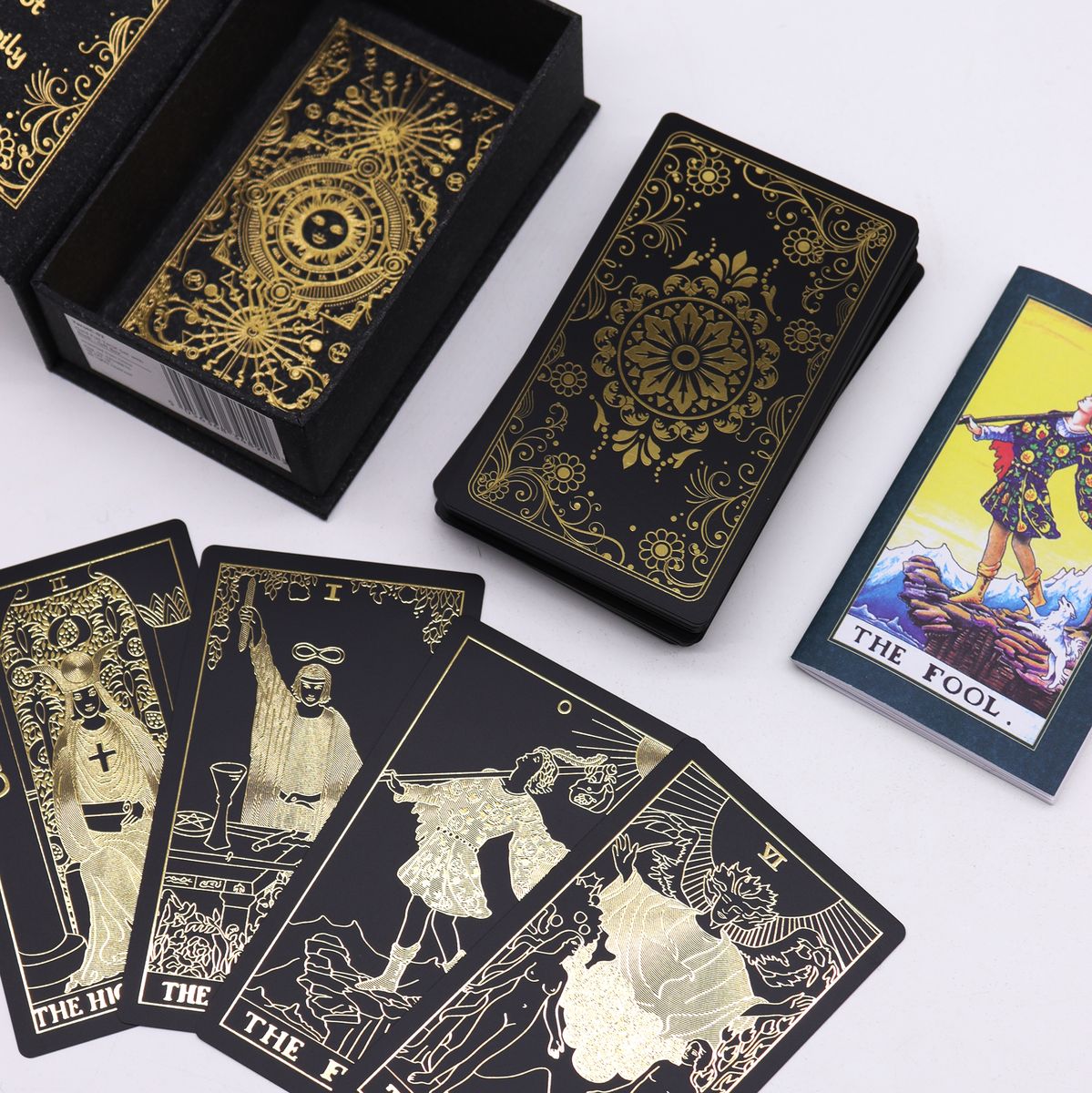
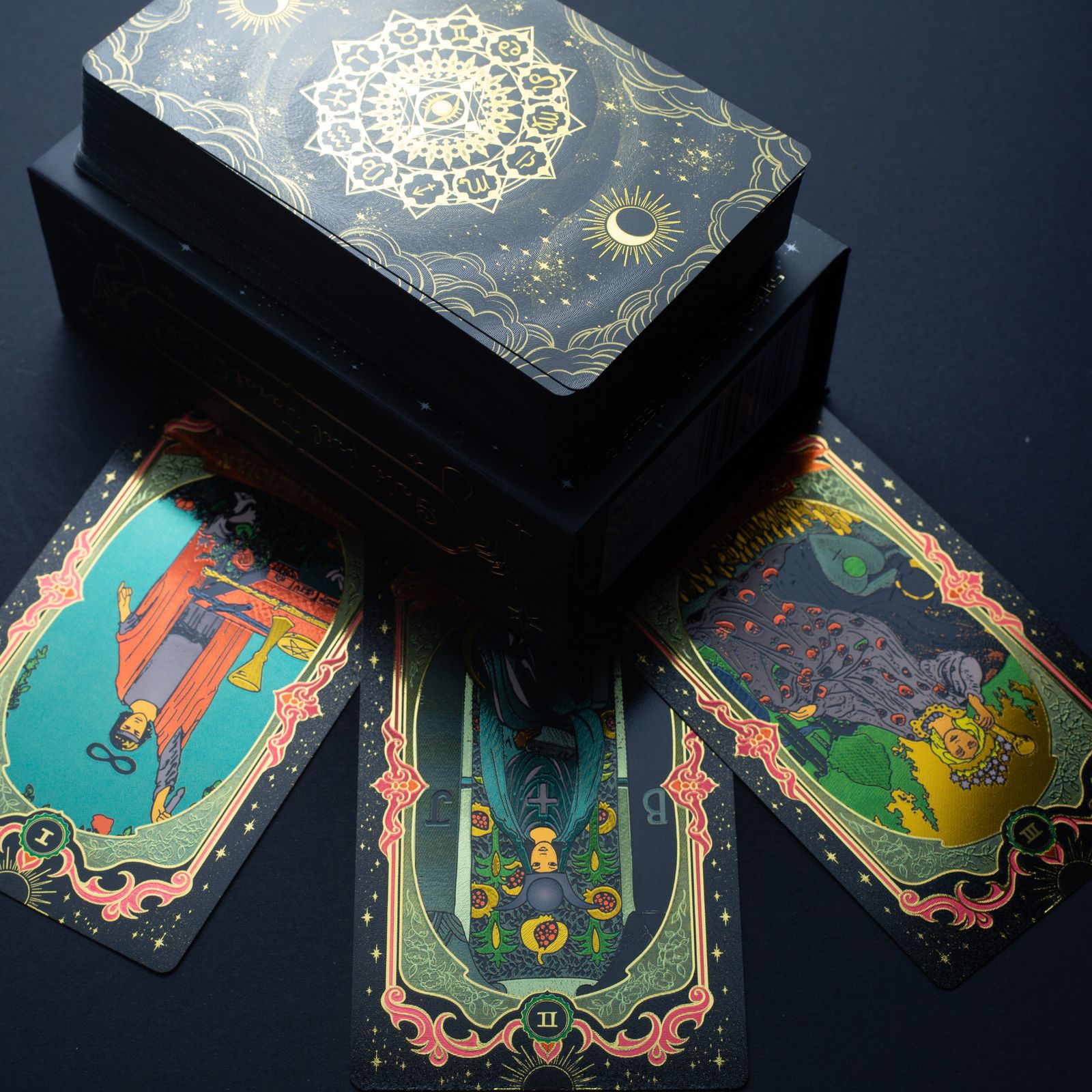
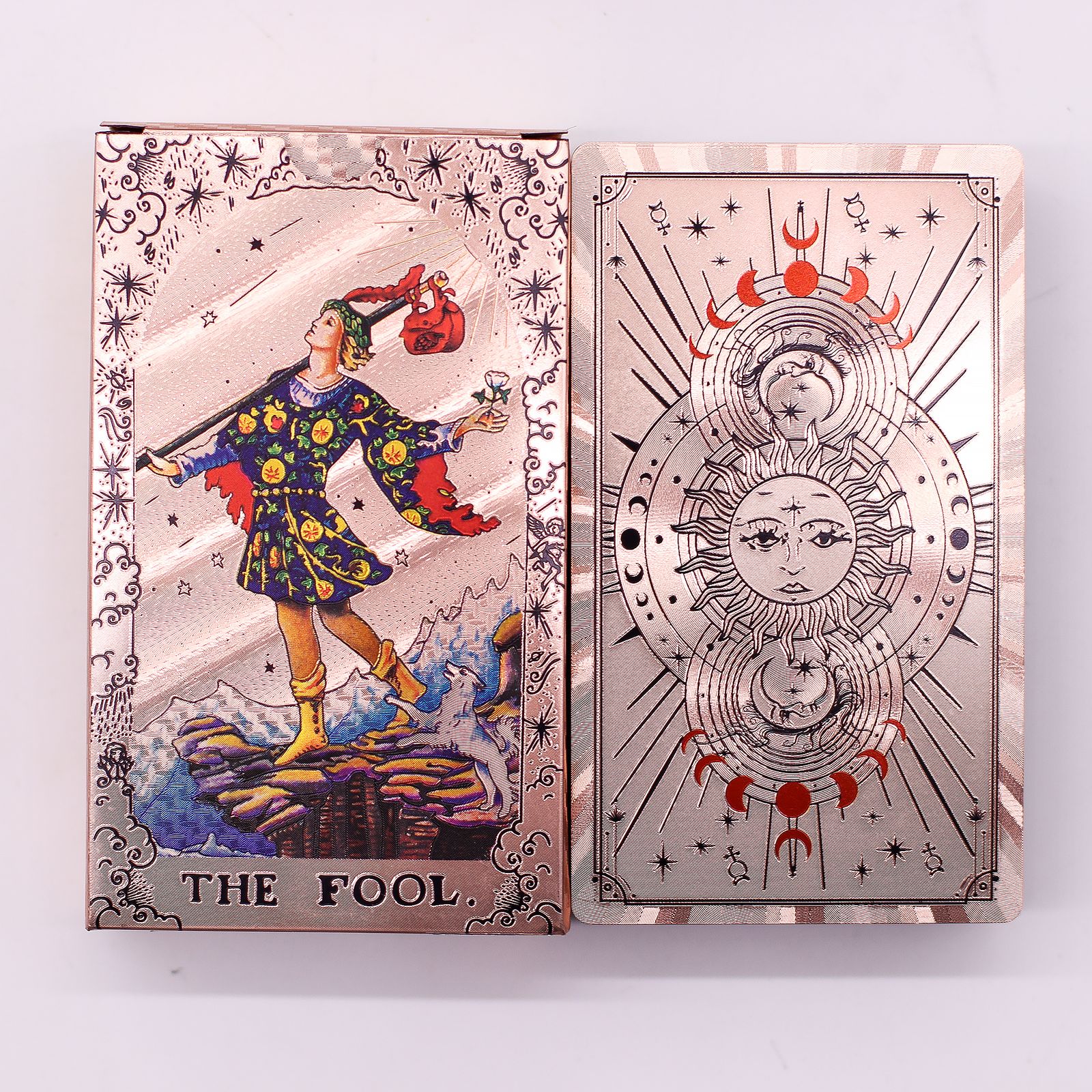
✦ The short answerNo. It is a well-known piece of tarot folklore that your first deck should be a gift, but most readers buy their own, and choosing a deck whose pictures speak to you is the best start of all. That said, a tarot deck does make a beautiful gift.
The belief that you must be given your first deck probably grew from the idea that tarot is passed hand to hand. It is a sweet tradition, not a rule. What matters far more is that you love looking at the cards, because you will learn them by spending time with their pictures.
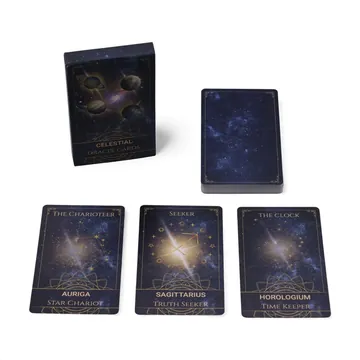
If you are buying for someone else, choose a deck in a gift box with a guidebook, and perhaps add a reading cloth or a pouch to keep it in. Our best tarot decks for beginners and gifts for tarot lovers can help.
Tarot decks that make a lovely gift
See more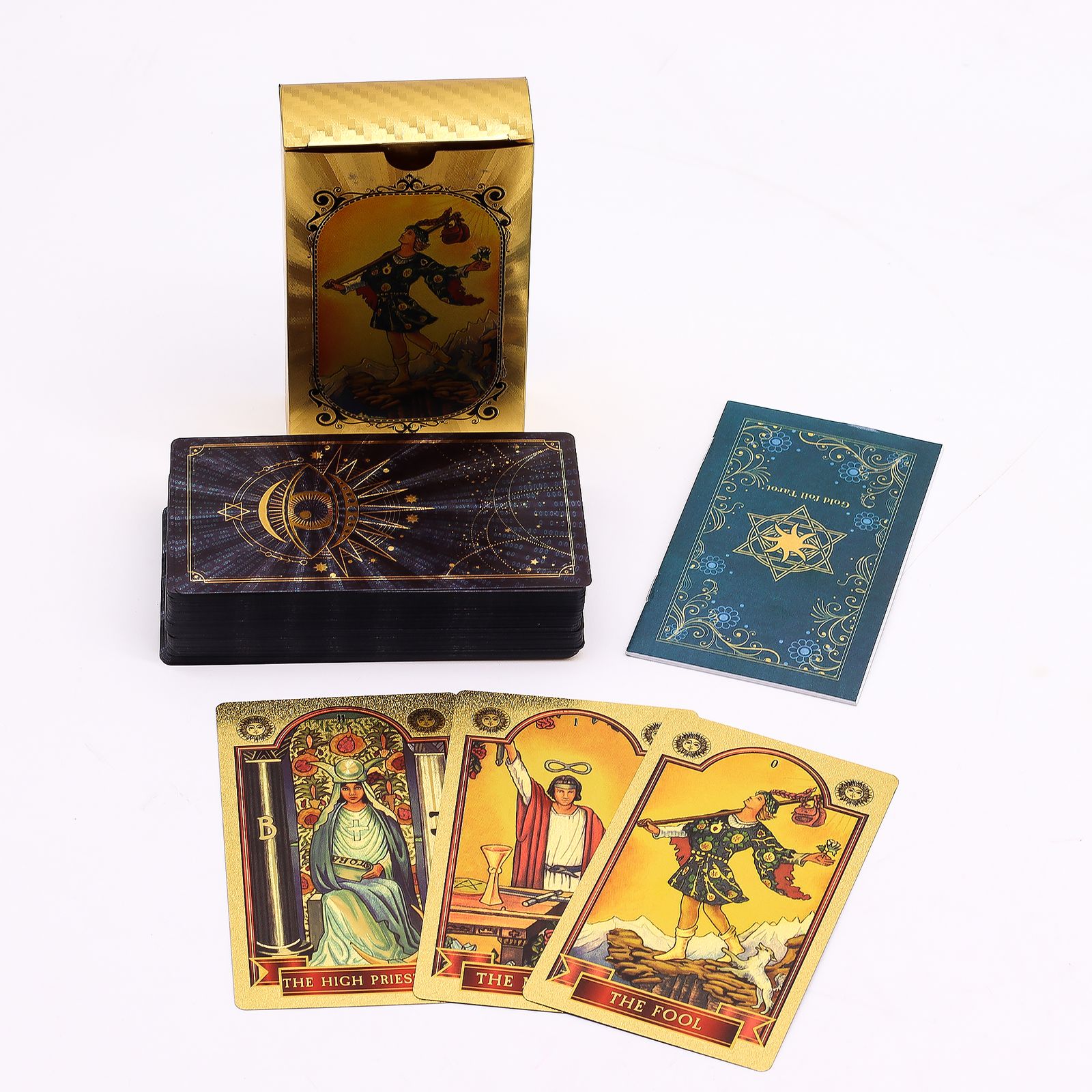
How do you cleanse a tarot deck?
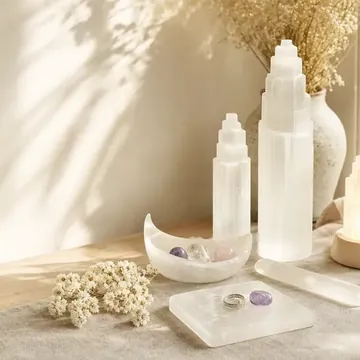
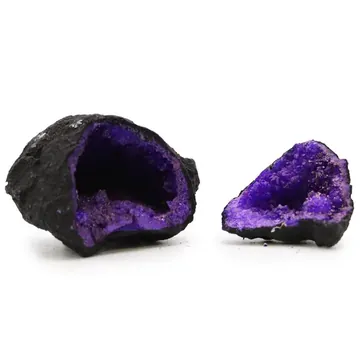
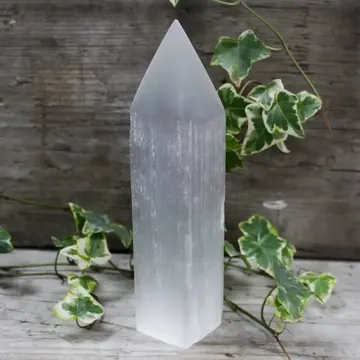
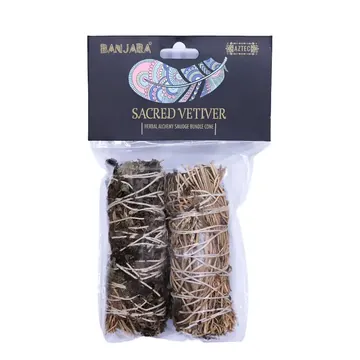
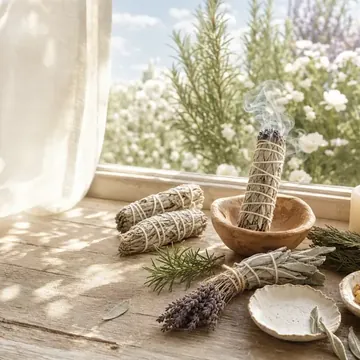
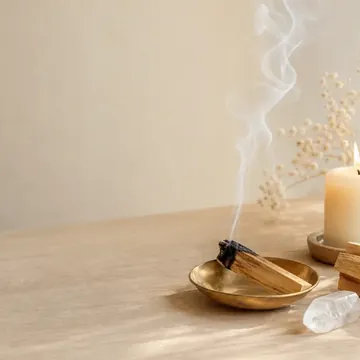
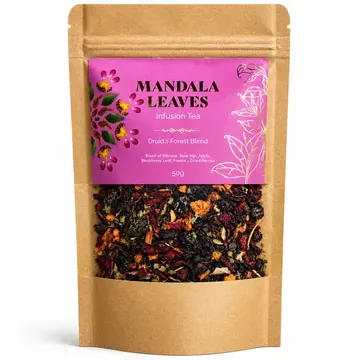
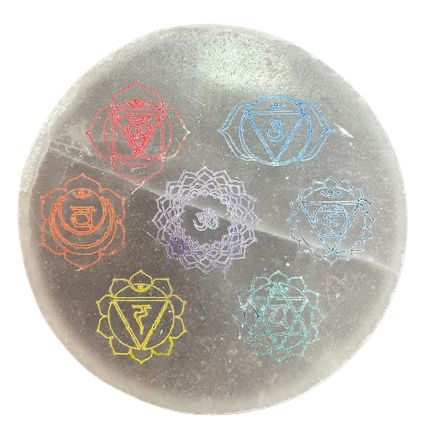
✦ The short answerPopular ways include passing the cards through the smoke of white sage, palo santo or incense, resting them under moonlight, placing a piece of selenite or clear quartz on top, or simply shuffling them thoroughly with a clear intention. Choose whichever feels right to you.
Many readers like to cleanse a new deck, or a deck that has been used for a heavy reading, as a way of starting fresh. Smoke cleansing is the most traditional: pass the deck, a few cards at a time, through the smoke of a smudge stick or incense with a window open. Moonlight is gentle and free: leave the cards on a windowsill overnight, ideally on a full moon.
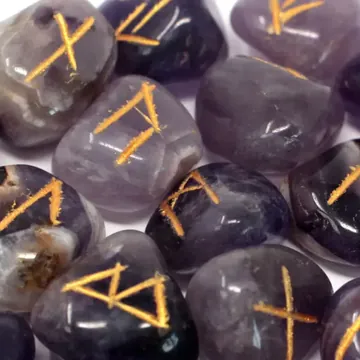
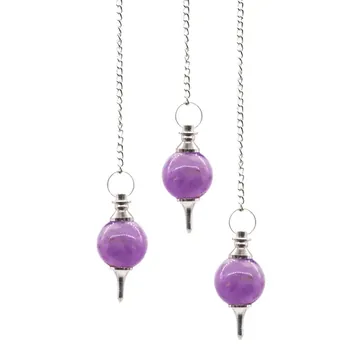
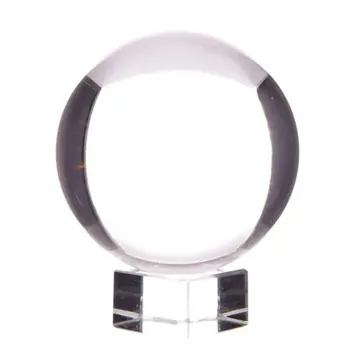
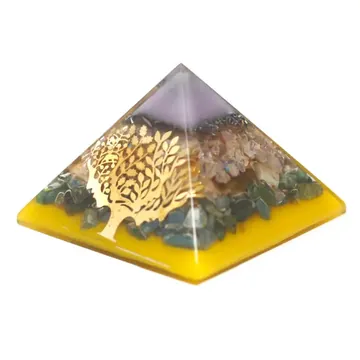
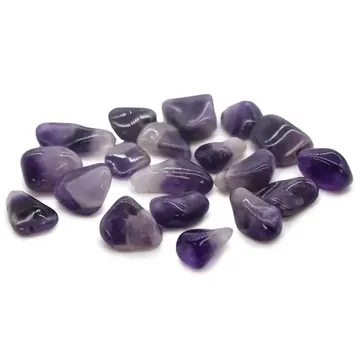
Crystals are an easy everyday option. Selenite is the stone most often used to "rest" a deck, and clear quartz or amethyst are common too. Others simply knock on the deck three times, or sort the cards back into order, which is also a lovely way to get to know them.
To cleanse your cards
See more

What should you do with a new tarot deck?
✦ The short answerTake time to meet it: look through every card slowly, notice what stands out, shuffle well and draw a first card asking "what would you like me to know about working with you?". Many readers also cleanse a new deck before its first reading.
A simple way to bond with a new deck is to go through it card by card, writing a word or two about each picture before reading the guidebook. You will remember the meanings far more easily when they are linked to your own first impressions.
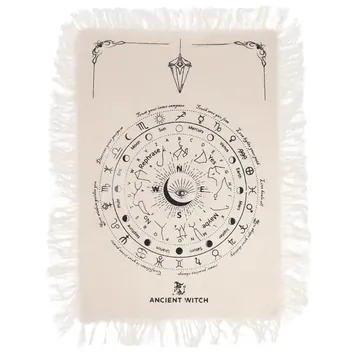
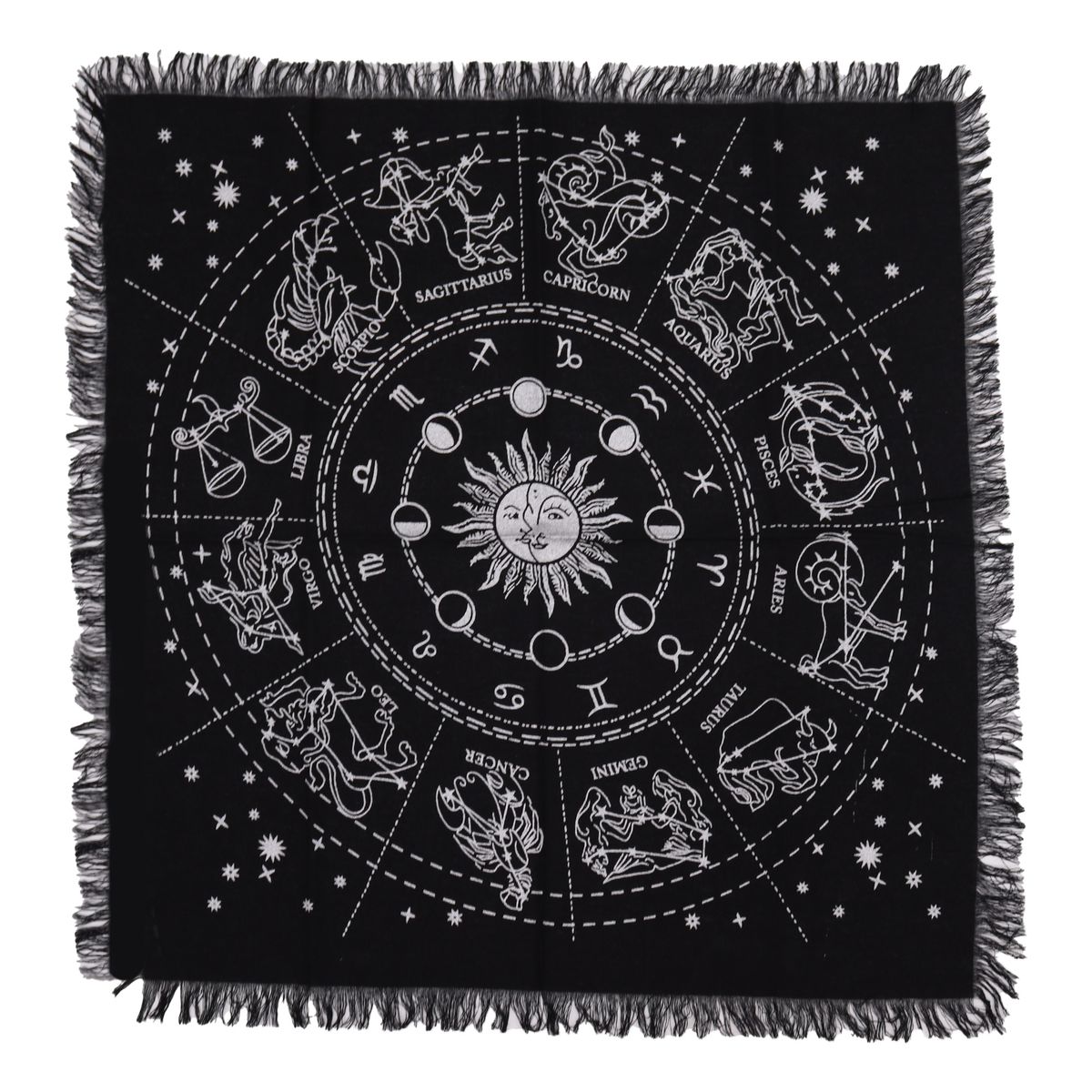
A dedicated cloth to read on and a box or pouch to keep the cards in help make each reading feel like a small ritual.
How should you store tarot cards?
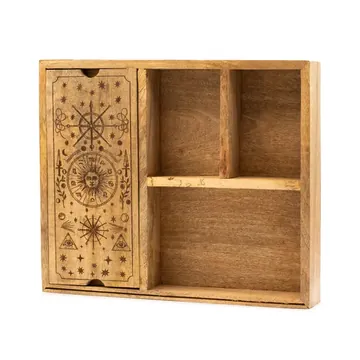
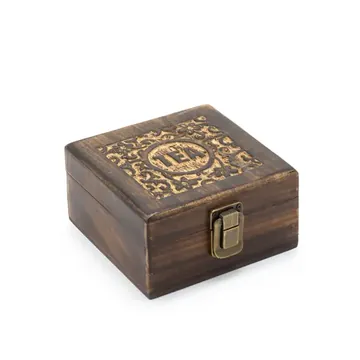
✦ The short answerSomewhere safe, dry and special: a wooden tarot box, a cloth pouch or a silk scarf are all traditional. Many readers keep a small crystal, such as amethyst or clear quartz, with the deck.
Wrapping a deck in cloth or keeping it in a carved box protects the edges and keeps the cards feeling set apart for reading. A box with a lid on your altar or bedside table also reminds you to draw a card each day.
Tarot boxes, cloths and pouches
See more

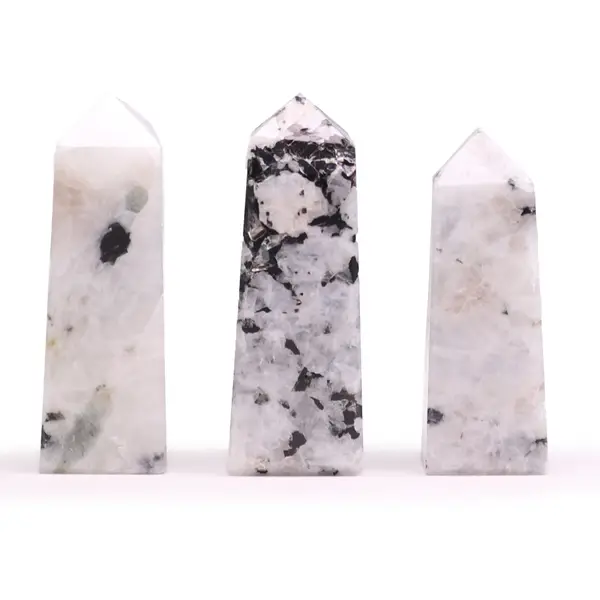
Which crystals go well with tarot?
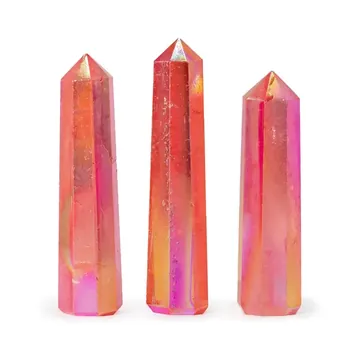
✦ The short answerAmethyst for intuition and calm, clear quartz for clarity, labradorite for insight, moonstone for intuition and the moon, and selenite for resting and refreshing your deck are the classic companions to tarot.
You do not need crystals to read tarot, but many readers enjoy keeping one on the deck or holding one while they shuffle. Choose the stone whose traditional meaning fits the kind of readings you do, or simply the one you find most beautiful. Our crystal meanings guide has more.
Crystals to keep with your deck
See more


Work and career
Which tarot cards suggest a new job or a fresh start at work?
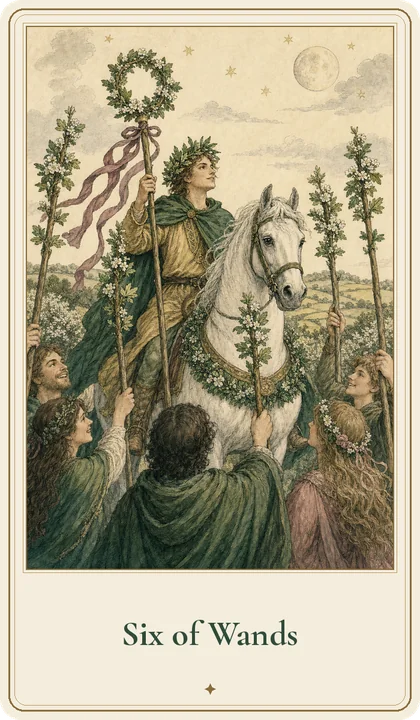
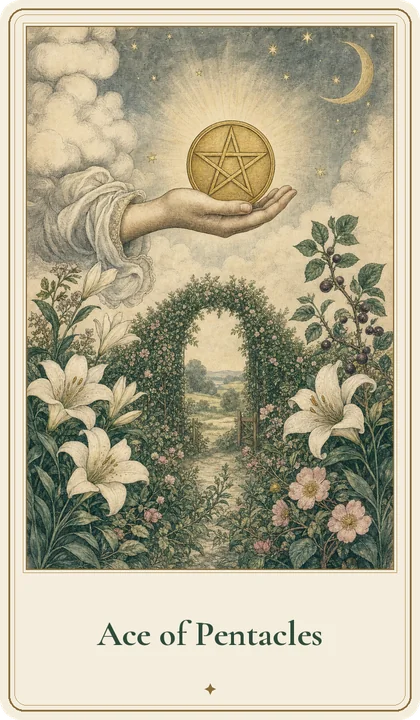
✦ The short answerThe Ace of Pentacles is the classic card of a new opportunity, with the Eight of Wands for things moving quickly, the Three of Pentacles for good teamwork, the Eight of Pentacles for learning a skill and the Six of Wands for recognition.
The Ace of Pentacles shows a coin offered from the clouds: a practical new beginning, such as a role, a course or a project. The Eight of Wands brings momentum and news. The Three of Pentacles is skilled people working well together, and the Eight of Pentacles is steady, careful practice.
These cards describe the energy around your work. They are a prompt to notice opportunities and take a step, rather than a promise of a particular job.
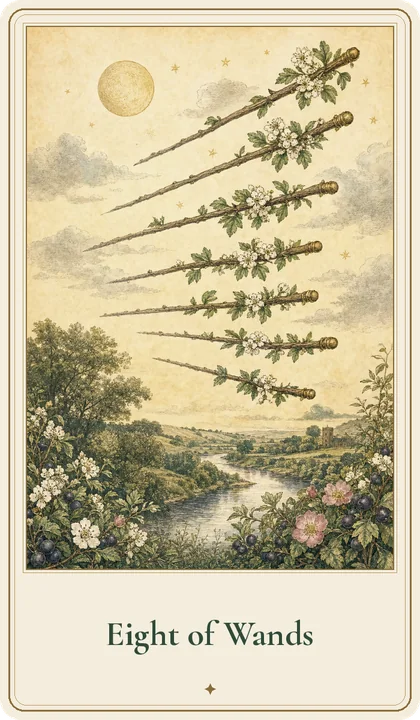 Eight of Wands
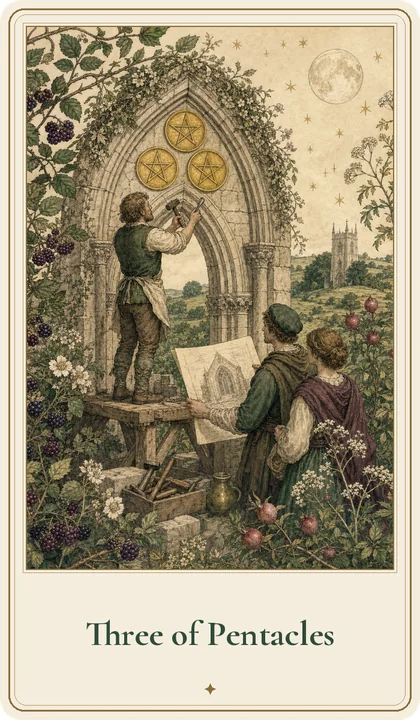 Three of Pentacles
What are the best tarot cards for your career?
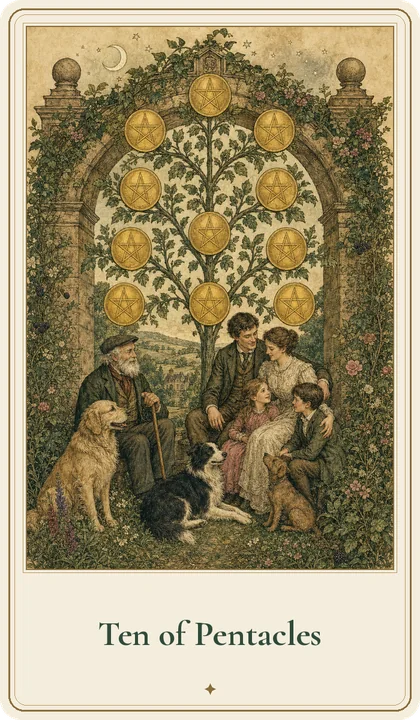
✦ The short answerThe Sun, the Six of Wands, the Ten of Pentacles, The World and the Ace of Pentacles are the cards readers most like to see in a career reading: success, recognition, lasting security, completion and new opportunity.
The World marks the satisfying end of a chapter, such as finishing a qualification or completing a big project. The Ten of Pentacles is long-term security and something lasting. The Sun is confidence and things going well.
For a simple career spread, draw three cards for: where I am now, what would help me grow, and the next step to take.
 Six of Wands
 Ten of Pentacles
Card combinations
What do common tarot card combinations mean?
✦ The short answerWhen two cards appear side by side, they speak to each other: the first sets the scene and the second answers it. Here are some of the best-known pairings and the stories they traditionally tell.
The same pair can whisper something different depending on your question and the cards around it, so let these be a starting point and trust what you feel.
Ask the cards your own question
Shuffle, choose your cards and watch them turn. Free, with no sign-up.
Last updated