


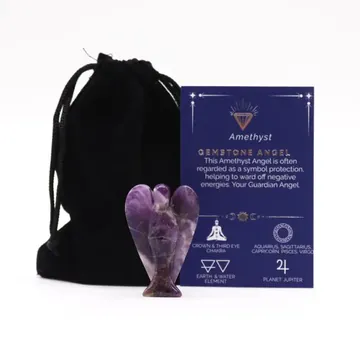
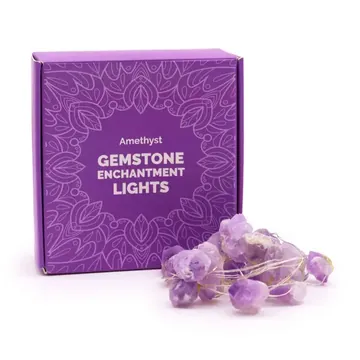























What does amethyst mean?
Amethyst is the stone of a steady mind. Its oldest meaning is written into its name: the ancient Greek amethystos means “not drunk”, and for centuries people wore it, carved cups from it or dropped it into wine in the belief that it kept them sober and clear-headed.
Over time that idea of sobriety widened into the meanings amethyst carries today. It is the crystal of calm after a busy day, of thinking clearly before a decision, of moderation and self-control, and of the quiet, inward attention that meditation and prayer ask for. Because purple has long been the colour of the spirit, it is also linked with intuition, dreams and protection from unwanted influences.
In short, amethyst is the stone you reach for when you want to slow down, see a situation as it really is, and listen to your own good sense.
What is amethyst?
Amethyst is purple quartz, the same mineral as clear rock crystal, citrine and smoky quartz. It is silicon dioxide, grows in six-sided crystals with pointed tips, and at 7 on the Mohs scale it is hard enough to wear every day.
Its colour comes from tiny amounts of iron caught inside the crystal as it grows. Over long ages, natural radiation from the surrounding rock changes that iron and turns the quartz purple, anywhere from a soft lilac to a deep, wine-dark violet with red flashes. Many pieces show bands or zones of colour, which is one of the signs of a natural stone.
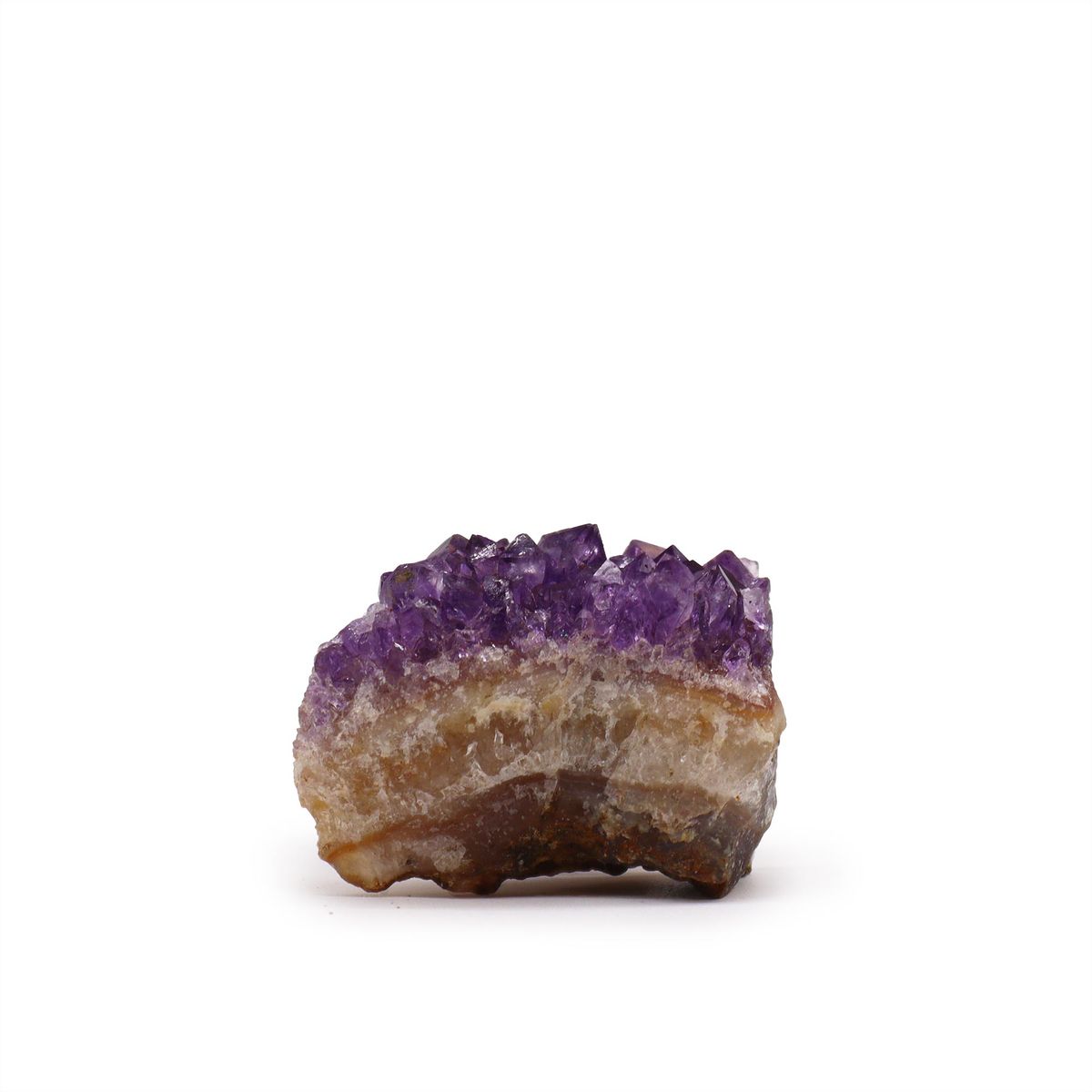
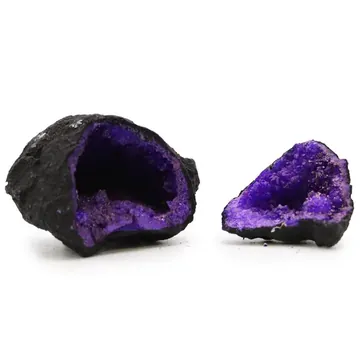
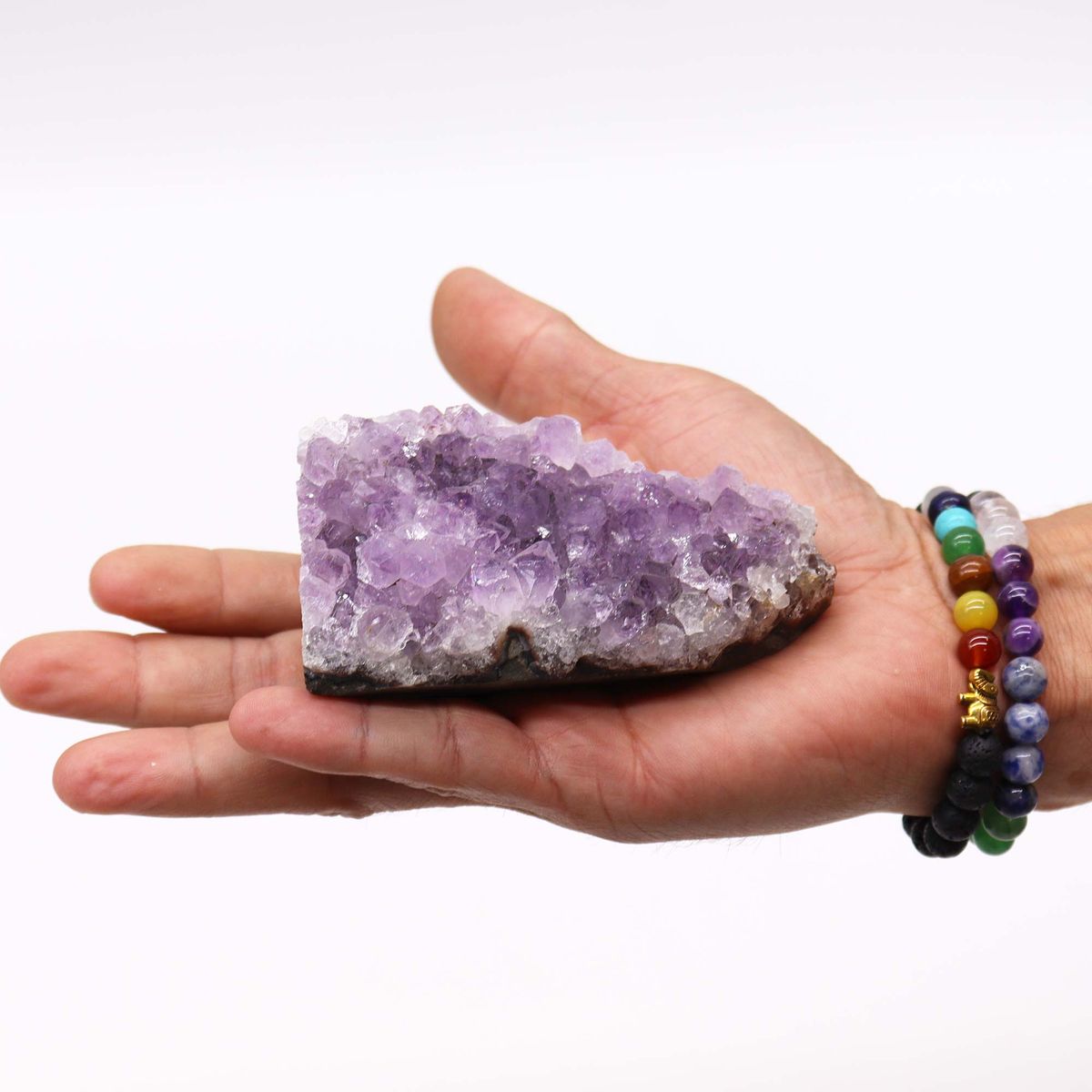
Most amethyst forms inside gas bubbles in ancient lava flows. Silica-rich water seeps into the hollows and, very slowly, crystals grow inwards from the walls, which is why amethyst so often comes as geodes and clusters: a rough outer shell that opens onto a glittering purple cave.
Today most amethyst comes from Brazil and Uruguay, where huge geodes are cut from the basalt of the Paraná lava fields, and from Zambia, whose African amethyst is known for its deep, rich colour. The old “Siberian” amethyst from Russia gave its name to the finest grade: a deep purple with flashes of red. Banded chevron amethyst, with its stripes of violet and white quartz, comes mainly from Africa and India.
The history and folklore of amethyst
Amethyst has been treasured for at least four thousand years. The ancient Egyptians carved it into beads and amulets, and it was worn across the Greek and Roman world as an engraved seal stone. Amethyst beads, carried across Europe from the Mediterranean, have been found in Anglo-Saxon graves in England.
The stone against drunkenness. The link with wine comes from the stone’s colour, the shade of red wine watered in a cup. Greek writers from around the third century BC speak of amethyst as a charm against intoxication, and the belief was so widespread that the Roman writer Pliny the Elder took the trouble to dismiss it. Nobody listened: the idea lasted well into the Middle Ages.
The myth of Bacchus. The story most often told about amethyst is far younger than it sounds. In 1576 the French poet Rémy Belleau wrote of a maiden named Amethyste who was pursued by Bacchus, the god of wine. The goddess Diana turned her into clear white stone to protect her, and the remorseful god poured wine over the stone, staining it purple. It is a lovely tale, but it was Belleau’s own invention rather than an ancient legend.
Church and crown. Amethyst is one of the twelve stones of the High Priest’s breastplate in the Book of Exodus, the list from which our birthstones eventually grew. Christian bishops wore amethyst rings as a sign of piety and of a sober, watchful mind, and purple became the colour of both holiness and royalty. Fine amethyst was once counted among the most precious gems, alongside the ruby, emerald and sapphire, and a large amethyst still sits at the top of the Sovereign’s Sceptre with Cross in the British Crown Jewels.
From royal gem to everyday treasure. Amethyst stayed rare and costly until vast deposits were found in South America in the eighteenth and nineteenth centuries. Its price fell, but its popularity never did. The Victorians loved it in brooches and lockets, and its soft purple was a favourite for half-mourning jewellery, worn when the first, black stage of grief had passed.
Amethyst in hedge magic and folk practice
In the folk tradition amethyst is a stone of the threshold between waking and sleeping. It was slipped under the pillow or hung by the bed to bring peaceful sleep and meaningful dreams, and to keep troubling ones away. Travellers carried it for a level head and safe return, and it was given to friends as a token of loyal, clear-sighted love; there is an old story that Saint Valentine wore an amethyst ring.
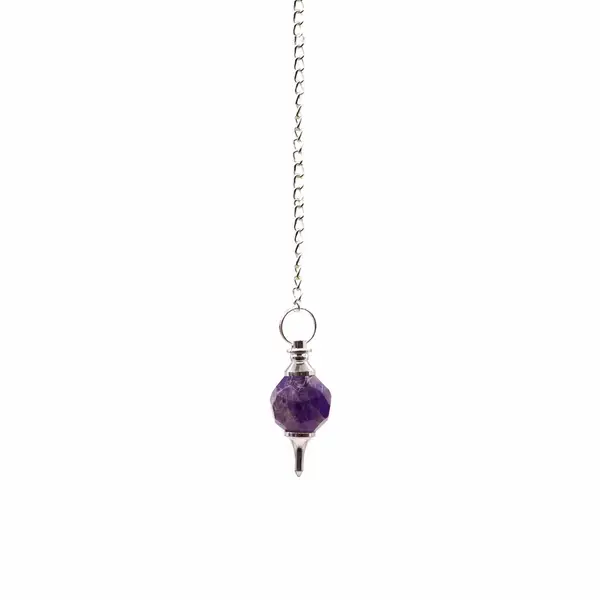
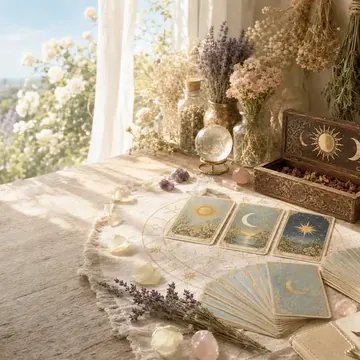
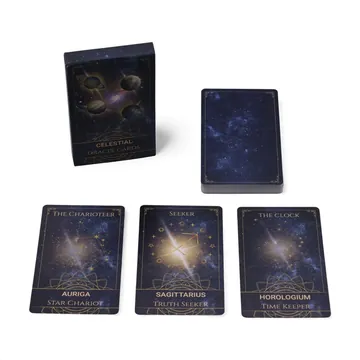
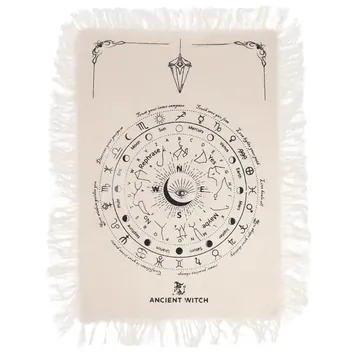
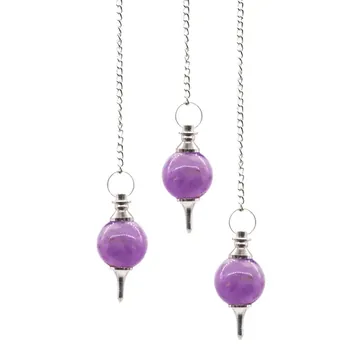
For a hedge witch, amethyst sits naturally with the moon and with the herbs of rest and reflection. It partners beautifully with lavender, mugwort and chamomile on the altar, with a purple or white candle, and with the waning moon, the time for letting go. Many practitioners keep a piece beside their tarot deck or pendulum, as a reminder to read with a calm and honest mind.
How to use amethyst
- By the bed. Keep a cluster or tumble stone on the bedside table as part of a wind-down routine. Hold it for a few breaths and set down the day before you sleep.
- For meditation. Hold a point or tumble stone in your hand, or place a cluster in front of you, and let its colour be something to rest your attention on.
- On the desk. A small cluster or point near where you work is a reminder to pause and think before you act.
- In your pocket. A tumble stone to turn in your fingers when you need to stay level-headed: an interview, a hard conversation, a busy day.
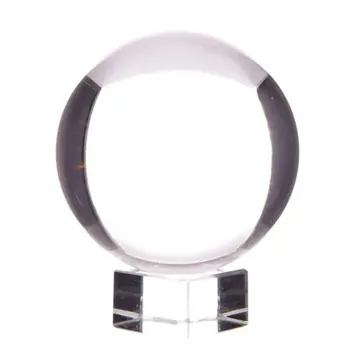
- On your altar. Use amethyst for moon work, dream work and divination. Place it beside your cards or crystal ball while you read.
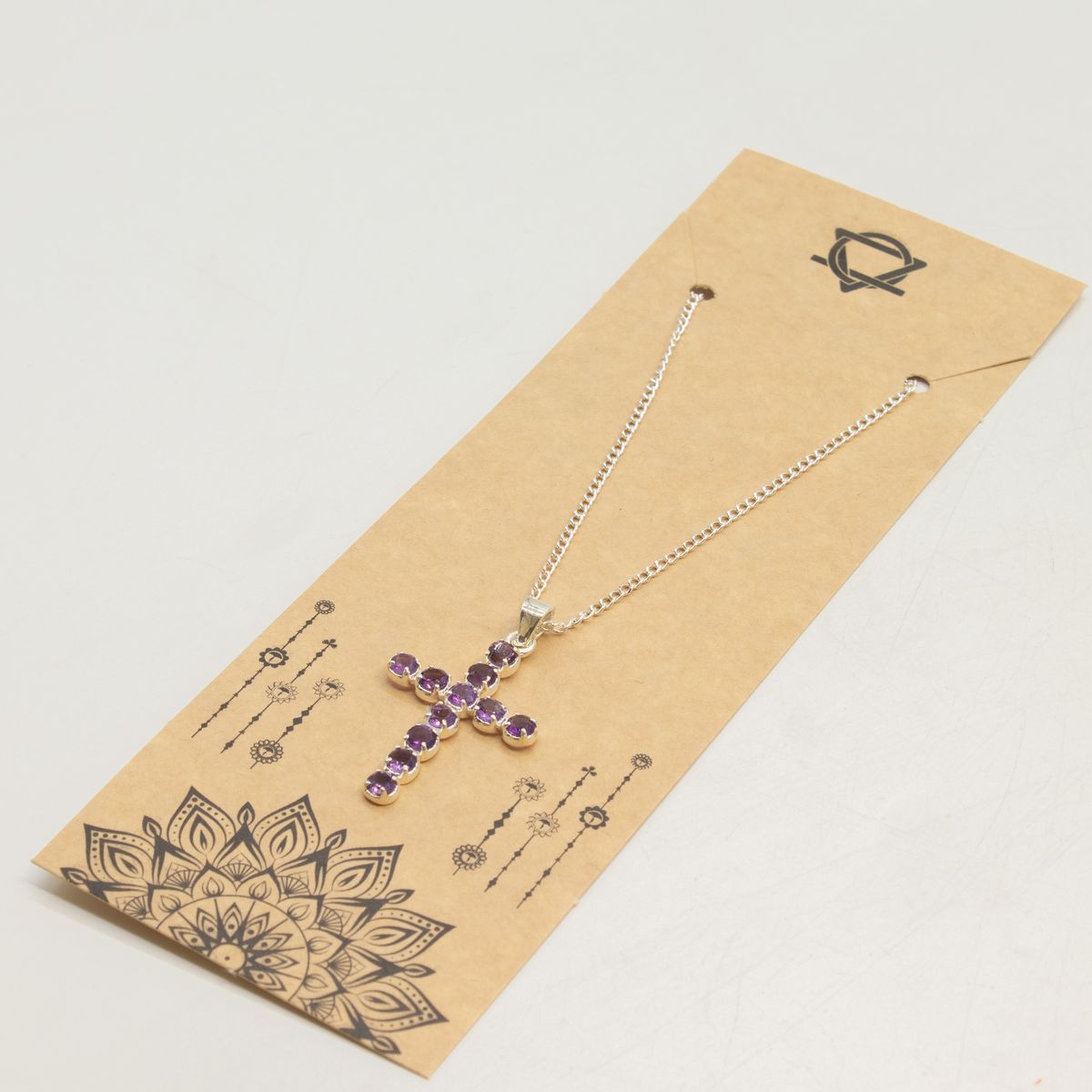
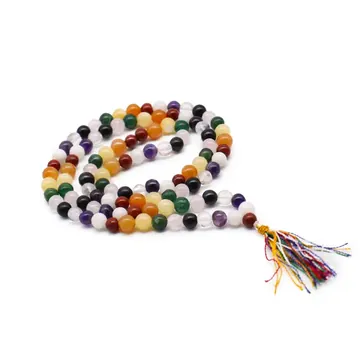
- As jewellery. A pendant, bracelet or mala keeps the stone with you all day, which is how it was worn for most of its long history.
Where to put amethyst at home: the bedroom, a reading or meditation corner, a study, or anywhere you want a calmer atmosphere. Keep it out of strong, direct sunlight (see below).
A simple amethyst ritual for a calm evening
This is a gentle ritual for the end of a long day, best on a waning moon but welcome any night.
- Clear a small space and light a purple or white candle, or a stick of lavender incense.
- Hold your amethyst in your left hand and take three slow breaths, letting each one out a little longer than the last.
- On a slip of paper, write the one thing you would like to put down for the night: a worry, a decision, a thought that keeps returning.
- Fold the paper and set the amethyst on top of it. Say, aloud or quietly: “Clear head, quiet heart. This can wait until morning.”
- Sit with the candle for a few minutes, then snuff it out and leave the stone where it is until you wake.
Never leave a burning candle or incense unattended, and keep both well away from bedding, curtains, children and pets.
Crystals that pair well with amethyst
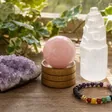
- Rose quartz brings warmth and kindness to amethyst’s calm, a classic pairing for the bedroom.
- Clear quartz is traditionally said to amplify the stones around it.
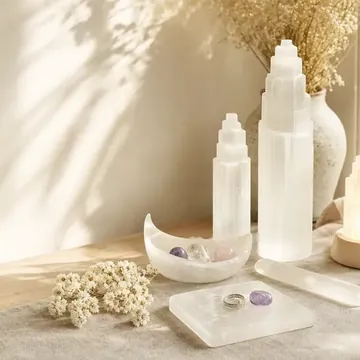
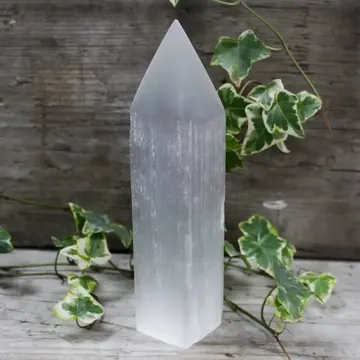
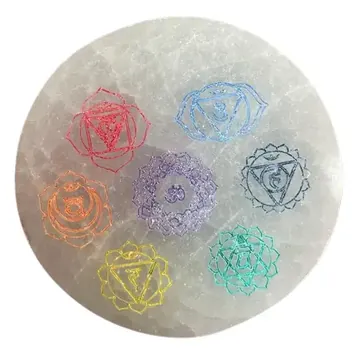
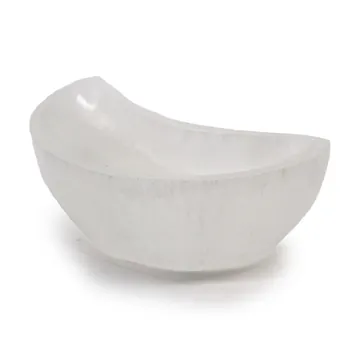
- Selenite is used to cleanse and refresh other crystals; rest amethyst on a selenite plate overnight.
- Labradorite deepens amethyst’s link with intuition and is often used in divination.
- Black tourmaline pairs grounding protection with amethyst’s spiritual protection.
How to cleanse and care for amethyst
Keep it out of strong sunlight. Amethyst can slowly fade if it sits in strong, direct sun for long periods, so a sunny windowsill is not the place for a favourite cluster. Moonlight is perfectly safe.
Water. Amethyst is hard and does not dissolve, so tumble stones and polished points can be rinsed in lukewarm water and dried with a soft cloth. Avoid soaking clusters and geodes, which may have glued or plaster bases, and jewellery with metal settings or cords.
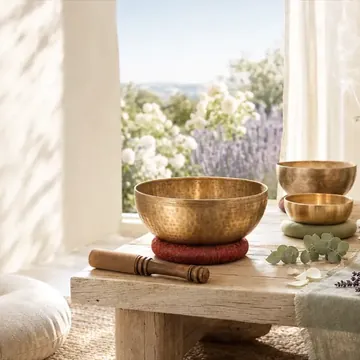
Cleansing. Gentler traditional methods suit every piece: pass it through incense or herb smoke, leave it out under the full moon, rest it on a selenite plate, or cleanse it with the sound of a singing bowl. Our guide to how to cleanse crystals explains each method.
Dusting. Clean the points of clusters with a soft, dry paintbrush rather than a cloth, which can catch on the crystal tips.
Types of amethyst
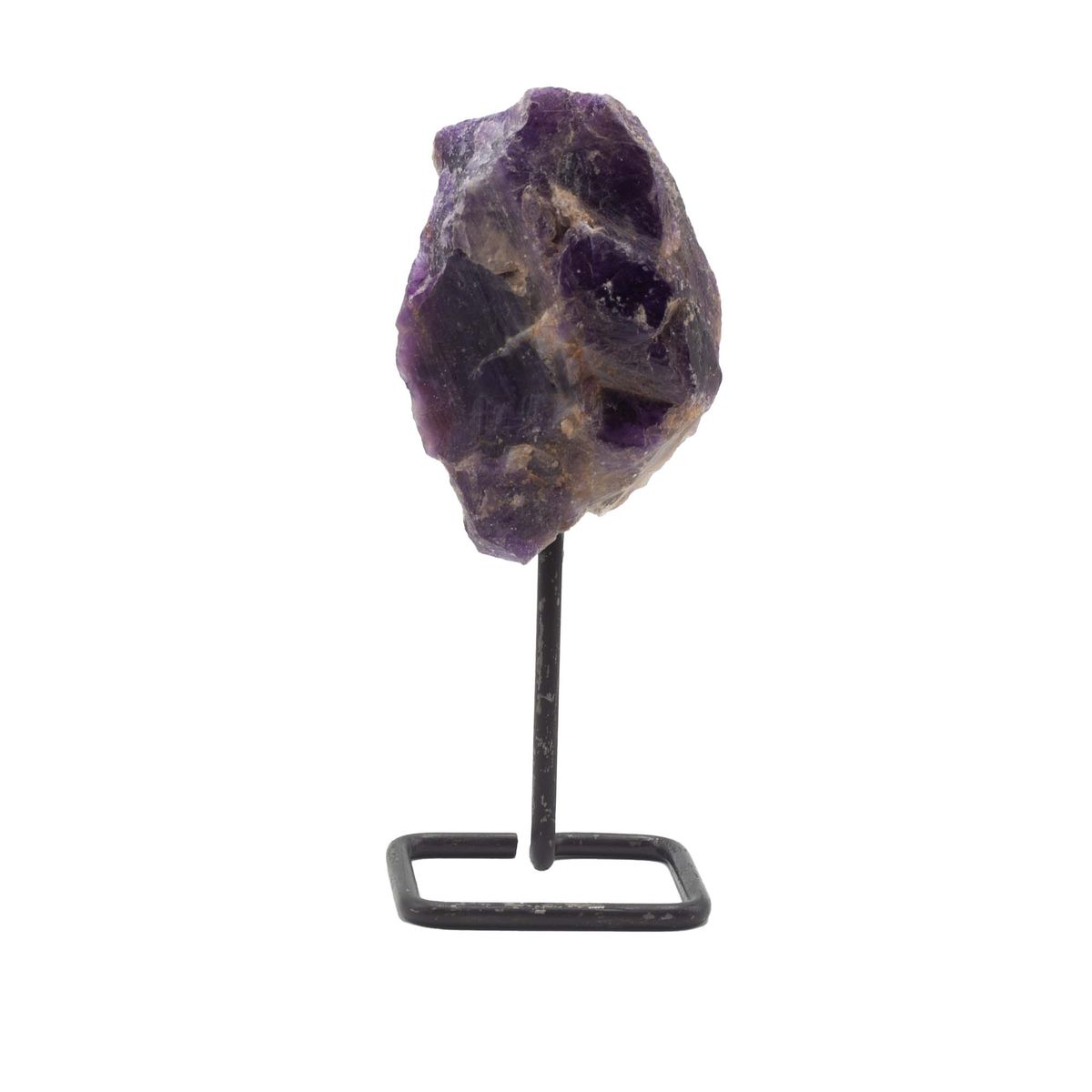
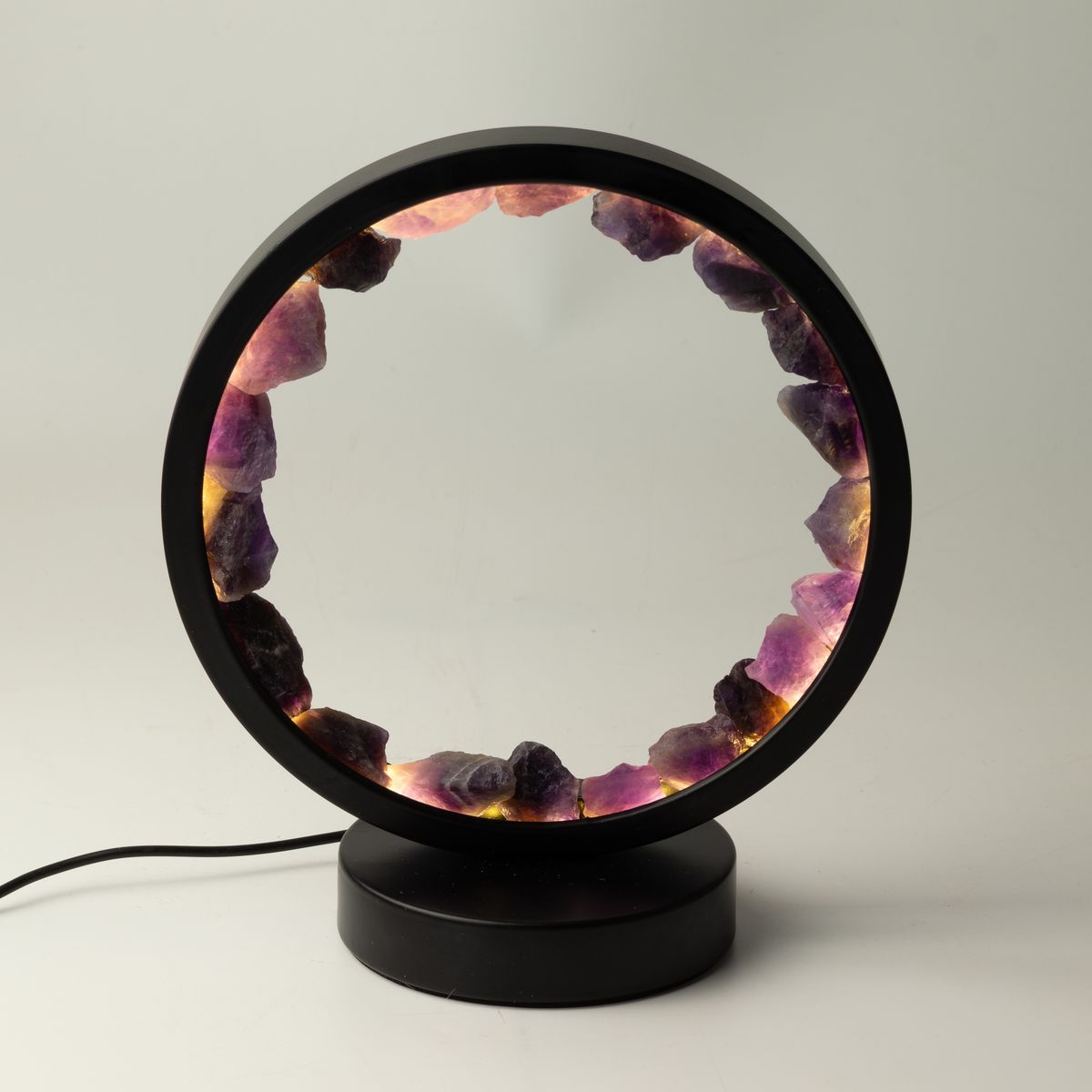
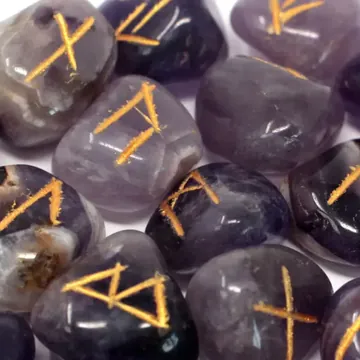
- Clusters and geodes show the crystal as it grows, a bed of points inside a rock shell. Lovely on a shelf or altar.
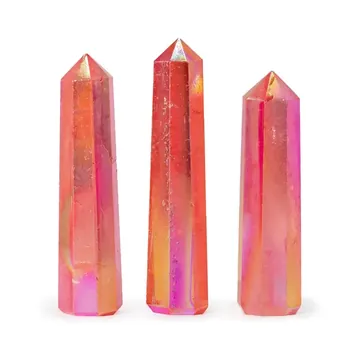
- Points are single crystals, natural or polished, often used in meditation.
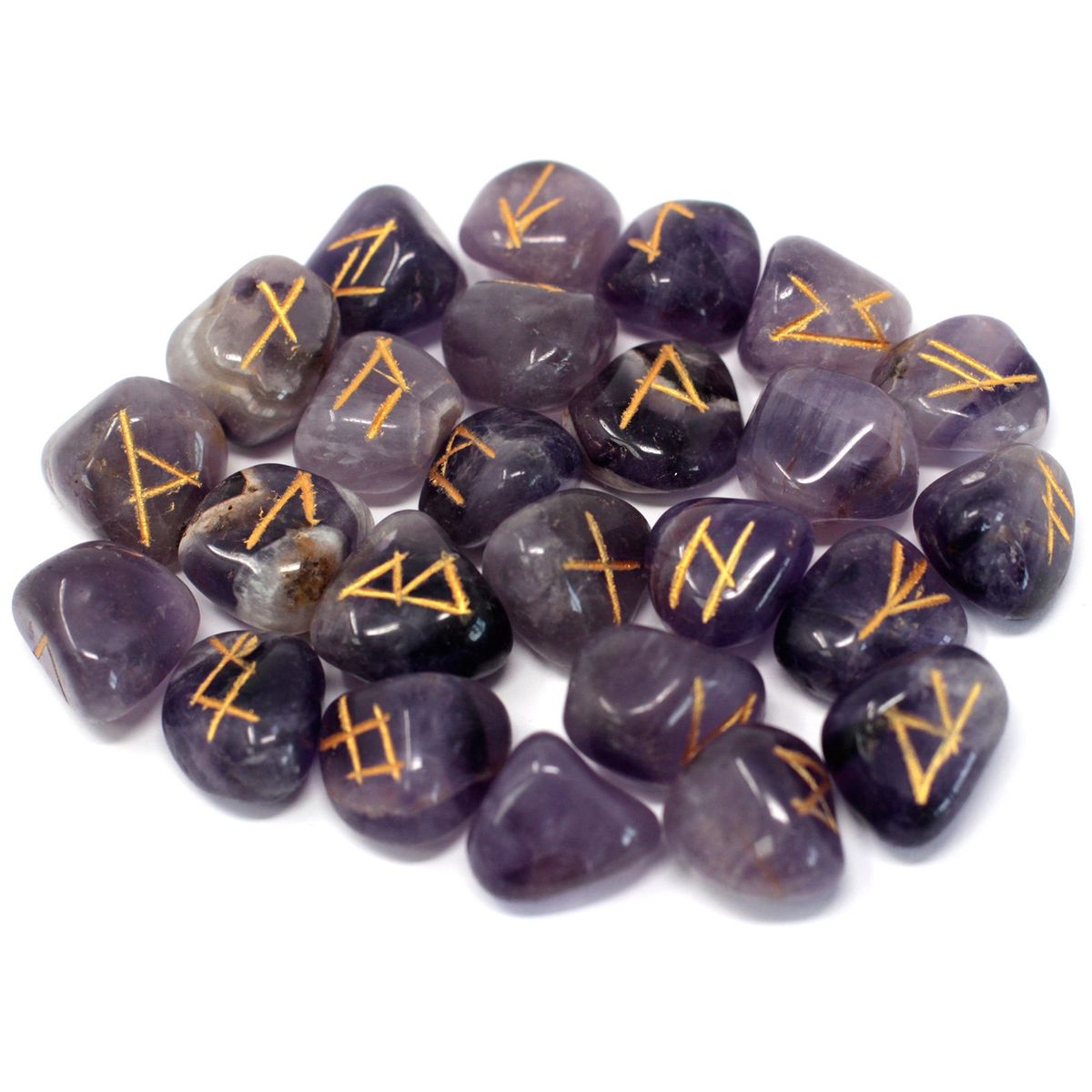
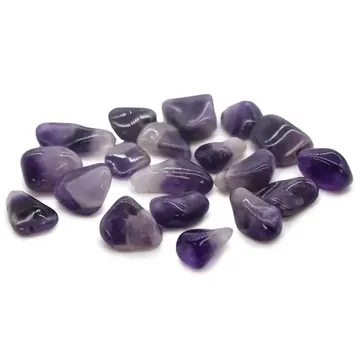
- Tumble stones are small, smooth pieces for a pocket, pouch or grid.
- Chevron amethyst has bold bands of violet and white quartz.
- African amethyst, mostly from Zambia, is prized for its deep purple.
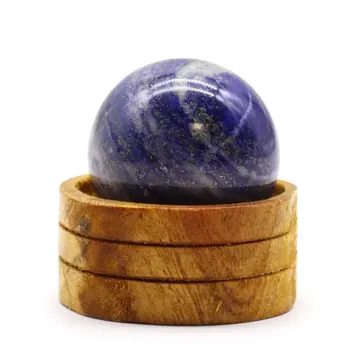
- Spheres and carvings are shaped from larger pieces to show off the colour banding.
- Ametrine is a natural mix of amethyst and citrine in one crystal, found mainly in Bolivia.
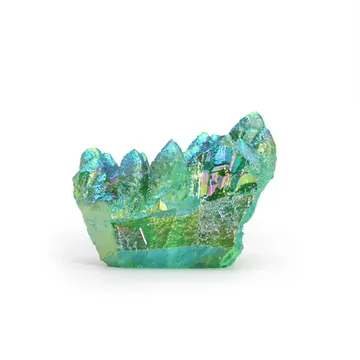
Amethyst also has a few relatives worth knowing. Much of the citrine on the market is amethyst that has been gently heated, which turns it yellow or amber. “Aura” pieces have a very thin metallic coating over the crystal for an iridescent, rainbow sheen.
How to tell if amethyst is real
Natural amethyst is rarely one perfectly even shade. Look for colour zoning, slightly paler and darker patches, and small natural inclusions. Real crystal feels cool to the touch and warms slowly in the hand. Glass imitations are often too uniform, may show tiny round bubbles, and feel warm quickly. Very bright, flawless purple at a very low price is worth a second look.
Amethyst: questions and answers
What does amethyst mean spiritually?
Amethyst is traditionally the stone of calm, clarity and sobriety. Its name comes from the Greek for “not drunk”, and it has long been associated with a clear, steady mind, intuition, dreams, meditation and spiritual protection.
What is amethyst good for?
In crystal tradition amethyst is used for calm, clear thinking, meditation, intuition and dream work, and as a protective stone. It is a popular choice for bedrooms and meditation spaces. Crystal meanings come from folklore and tradition and are not a substitute for medical advice.
Can amethyst go in water?
Yes, tumble stones and polished points can be rinsed in lukewarm water and dried well. Avoid soaking clusters or geodes, which may have glued or plaster bases, and jewellery with metal or cord.
Can amethyst go in the sun?
Not for long. Amethyst can slowly fade in strong, direct sunlight, so keep it off sunny windowsills. Charging it under moonlight is safe.
Can I sleep with amethyst?
Many people keep amethyst on the bedside table or under the pillow, a tradition linked with peaceful sleep and meaningful dreams. A tumble stone or small cluster by the bed is the simplest way to start.
Which star sign is amethyst for?
Amethyst is most closely linked with Pisces and Aquarius, the signs of February birthdays, and is also often given to Virgo and Capricorn.
Is amethyst the February birthstone?
Yes. Amethyst is the birthstone for February, and it is also the traditional gift for a sixth wedding anniversary.
Where should I put amethyst in my home?
The bedroom, a meditation or reading corner, a study or your altar are all good places. Keep it out of strong direct sunlight so the colour stays rich.
What is the difference between amethyst and citrine?
Both are quartz. Amethyst is purple, coloured by iron and natural radiation. Citrine is yellow to amber, and much of the citrine sold is amethyst that has been heated. Ametrine is a natural mixture of the two in one crystal.
Can amethyst go in water or sunlight? Where should it live in your home? Your crystal questions, answered.
Crystal meanings come from folklore and tradition. They are not a substitute for medical advice.