




















✦ Earth's quiet magic ✦
Your Crystal Questions, Answered
Which crystals should never go in water? Why is your amethyst fading? Where should a crystal live in your home? Gentle guidance on caring for, choosing and living with crystals, from our hedgerow shelves to yours.
by Rowan Hart
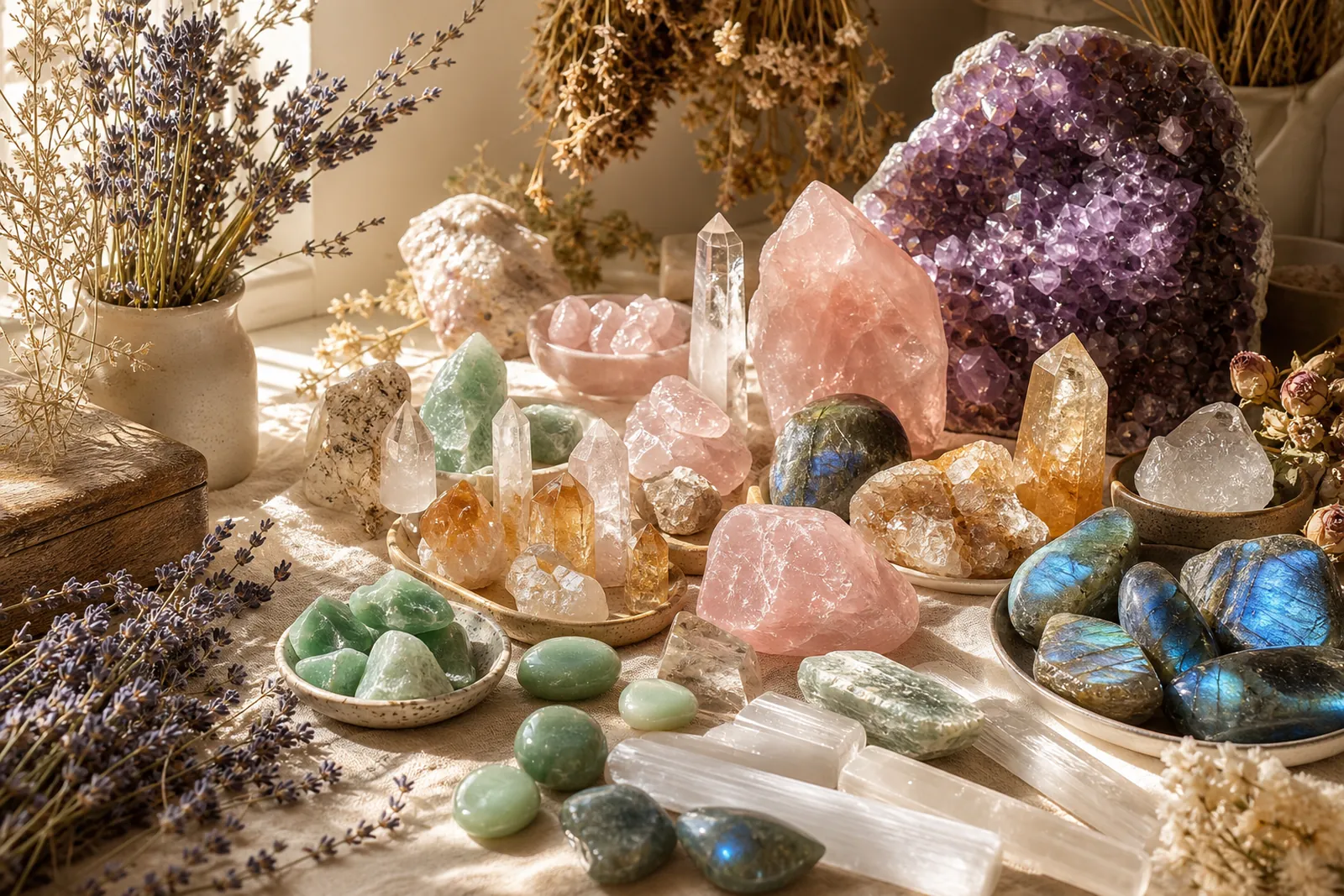
Every crystal has spent thousands of years becoming what it is. A little care keeps its colour, its sparkle and its story, so it can sit beside you for generations.
Caring for your crystals
Which crystals should not go in water?
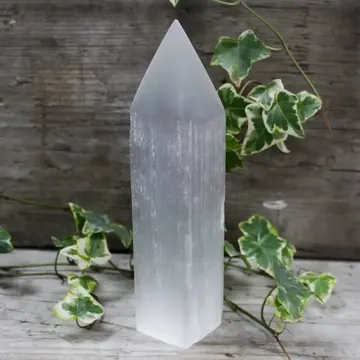
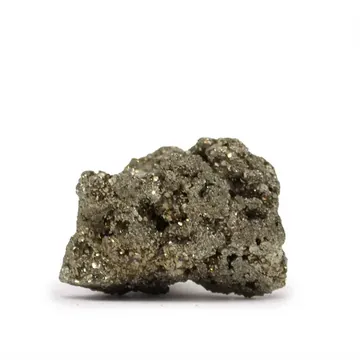
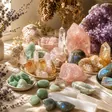
✦ The short answerSoft, porous or metallic stones should stay dry: selenite, pyrite, hematite, malachite, lapis lazuli, turquoise, celestite, calcite, fluorite and halite. Hard members of the quartz family, such as clear quartz, amethyst, rose quartz, citrine, agate and jasper, are happy with a quick rinse.
A good rule is the hardness of the stone. Crystals that are soft (below about 5 on the Mohs scale), porous or rich in metal can dissolve, rust, crack or lose their polish when wet. Selenite is the best-known example: it slowly dissolves and turns cloudy, so it should never be washed.
If you are unsure, cleanse with smoke, sound or moonlight instead; all three suit every crystal. And never put crystals into water that you plan to drink, as some stones, like malachite and pyrite, contain minerals that are not safe to swallow.
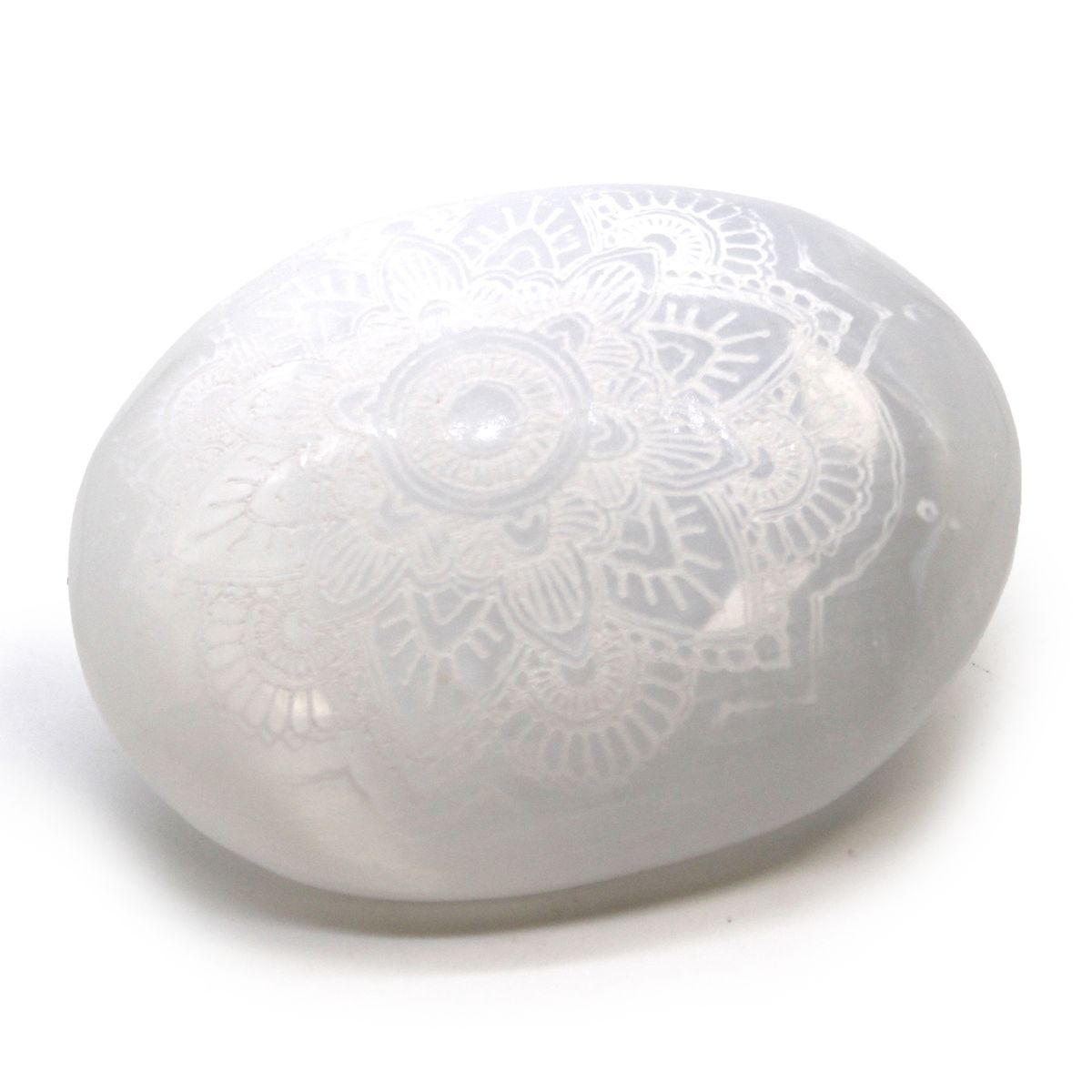
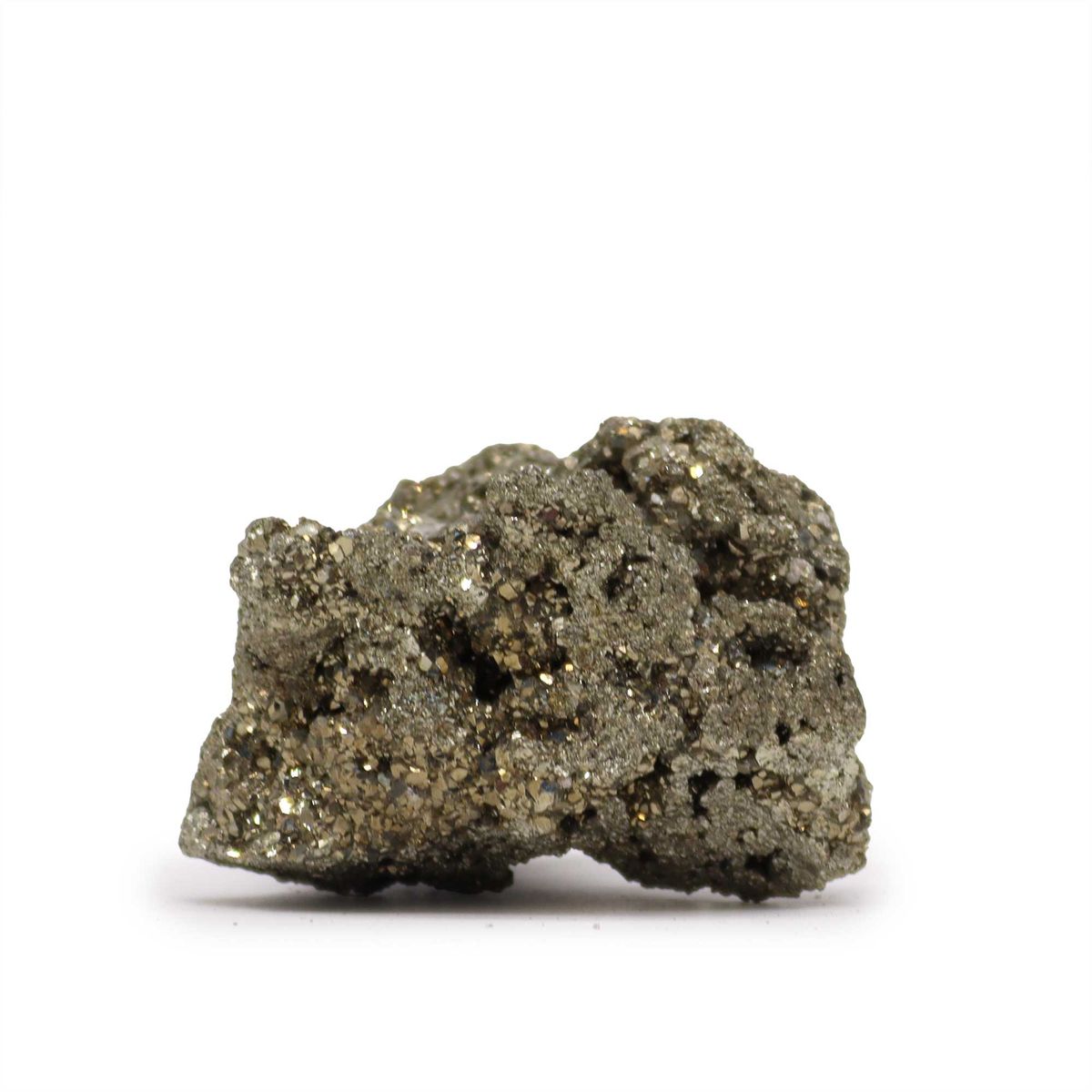

Crystals that love a rinse
See moreWhich crystals fade in sunlight?
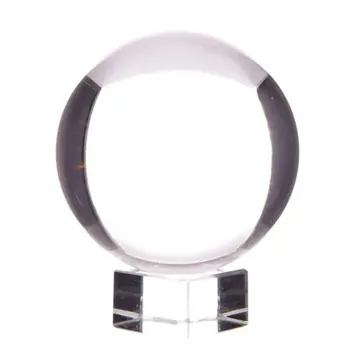
✦ The short answerAmethyst, rose quartz, citrine, fluorite, smoky quartz, aventurine and celestite can all slowly lose their colour in strong sun. Keep them away from bright windowsills, and never leave a clear quartz sphere in direct sunlight, as it can focus the light like a magnifying glass.
Colour in many crystals comes from tiny traces of minerals that change with long exposure to light and heat. A few hours of morning sun will not harm them, but weeks on a south-facing windowsill can turn a deep purple amethyst pale.
If you love the idea of sun-charging, choose sturdy, opaque stones such as carnelian, tiger's eye or clear quartz points, and keep it brief.
Can you cleanse crystals with salt?
✦ The short answerDry salt is fine for hard stones like quartz, but it can scratch soft crystals and draw moisture into porous or metallic ones. Avoid salt with selenite, pyrite, hematite, malachite, opal and turquoise, and never use salt water on them.
A gentle way to use salt is to place a small bowl of salt beside or beneath your crystal, rather than burying the stone in it. That way you keep the old tradition without any risk to the surface.

How do you cleanse crystals?
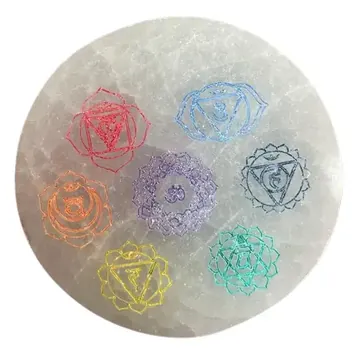
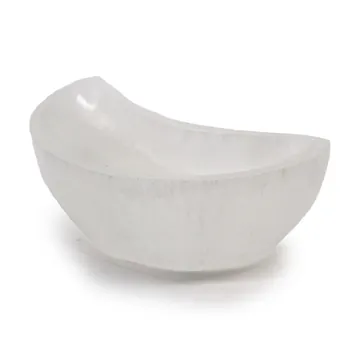
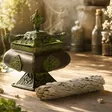
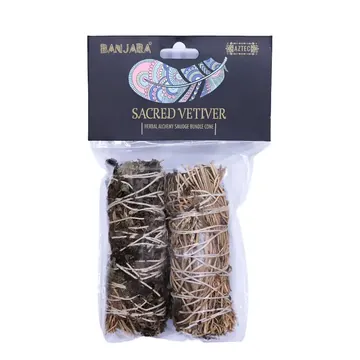
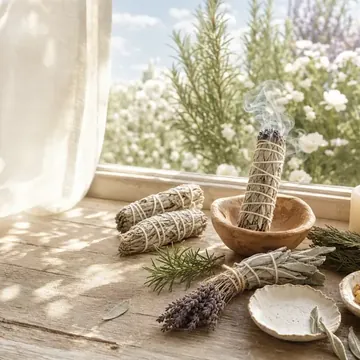
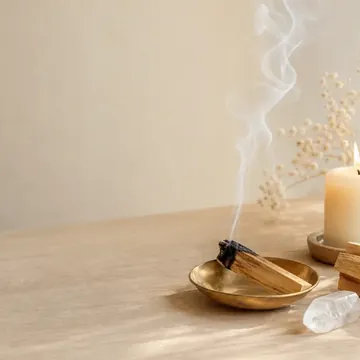
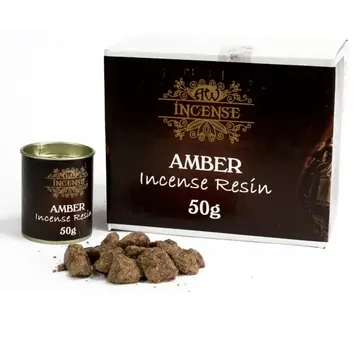
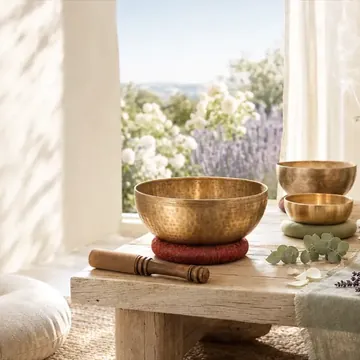
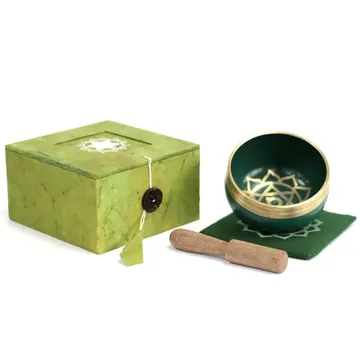
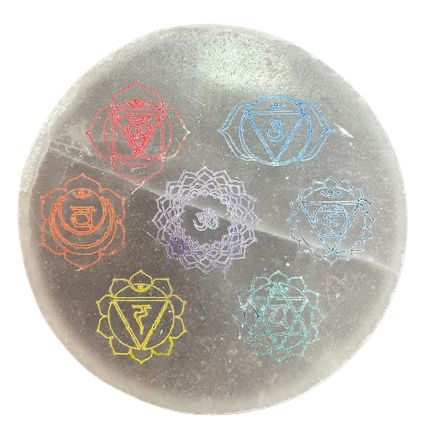
✦ The short answerThe gentlest ways, safe for every crystal, are smoke (white sage, palo santo or incense), sound (a singing bowl or bell), moonlight, or resting the stone on a selenite plate. Choose the one that feels right to you.
Many people cleanse a new crystal when it arrives, and again whenever it feels "heavy" or after a difficult time. Smoke cleansing is the most traditional: pass the stone through the smoke with a window open and an intention in mind. A singing bowl's ringing tone is another lovely method that suits even the most delicate crystals.
Our full guide, how to cleanse crystals, walks through every method step by step.
To cleanse your crystals
See more

How do you charge crystals?
✦ The short answerThe most loved way is to leave them on a windowsill or in the garden overnight under a full moon. You can also rest them on a selenite plate or beside a clear quartz cluster, ring a singing bowl over them, or hold them while you set an intention.
Cleansing clears; charging renews. The full moon is the traditional time, and many people put out a small tray of crystals with a jar of water to make moon water at the same time (keep water-shy stones beside the jar, not in it).
Our moon calendar shows the dates of the next full moon and new moon.
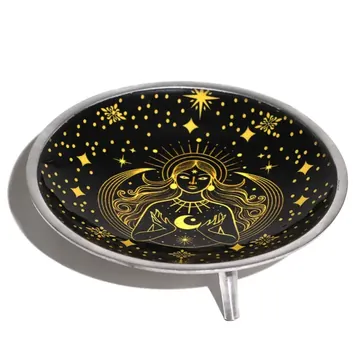
Charging plates and clusters
See more
Which crystals should not be kept together?
✦ The short answerThere is no strict rule, but two things are worth knowing. Physically, soft crystals such as selenite, calcite and fluorite can be scratched by harder quartz, so keep them apart. Traditionally, some people avoid pairing very energising stones like carnelian with very calming ones like amethyst in the same small space.
Most crystals live happily together, and many people keep a mixed bowl on their altar. If you store crystals in a box or bag, wrap the soft and delicate ones separately, and keep tumble stones in their own pouch so they do not chip each other.
What does it mean if a crystal breaks?
✦ The short answerFolklore says a crystal that cracks or breaks has done its work, often after a time of change. Practically, crystals can also crack from a knock or a sudden change in temperature. Many people keep the pieces, return them to the earth, or give them a quiet thank you.
Breakage is most common with clear quartz points and clusters when they are moved from a warm room to a cold windowsill, or rinsed in hot water. Let crystals change temperature slowly and they will last for generations.
Choosing crystals
How do you choose your first crystal?
✦ The short answerGo with the one you keep coming back to. If you would like a starting point, the classic trio is clear quartz for clarity, amethyst for calm and rose quartz for love and kindness.
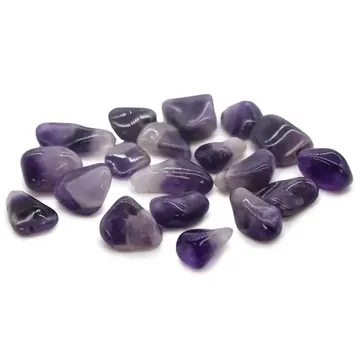
Many people say the crystal chooses you: the colour or shape you cannot stop looking at is the one to take home. Small tumble stones are a lovely, affordable way to begin, and they fit in a pocket so you can carry the intention with you.
For more ideas, see our best crystals for beginners and the crystal meanings guide.
How can you tell if a crystal is real?
✦ The short answerLook for natural variation, small inclusions and a cool touch. Be wary of very bright, uniform colours, tiny round bubbles inside (a sign of glass), and prices that seem too good to be true.
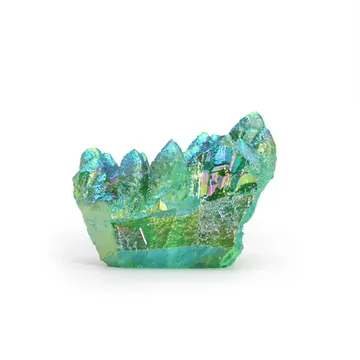
Some of the most common look-alikes are honest products sold under confusing names. Opalite is a man-made glass. "Cherry quartz" and many "strawberry quartz" pieces are glass too. Howlite is often dyed blue to look like turquoise, agate slices are frequently dyed bright pinks and blues, and much bright orange "citrine" is amethyst that has been heated.
None of these are bad things to own, as long as you know what you are buying. A good shop will tell you when a stone is dyed, heated or man-made.

What is the difference between tumble stones, points, clusters and spheres?
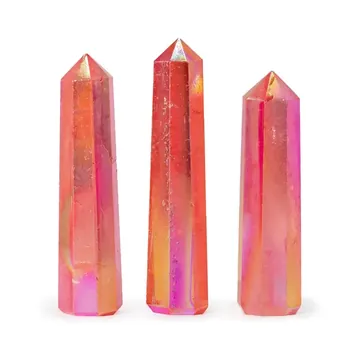
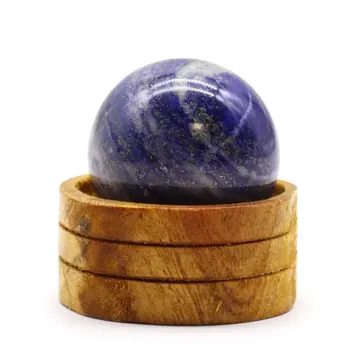
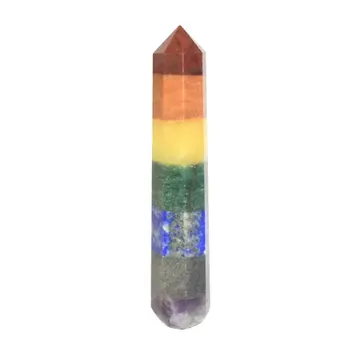
✦ The short answerTumble stones are small, smooth and made for carrying. Points focus intention in one direction. Clusters share their energy all around and suit a shelf or altar. Spheres radiate gently in every direction and look beautiful on display.
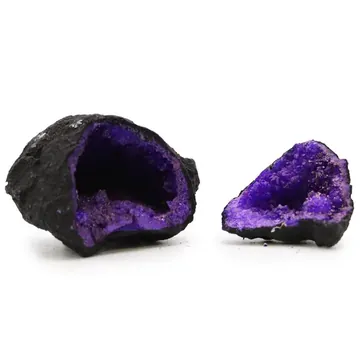
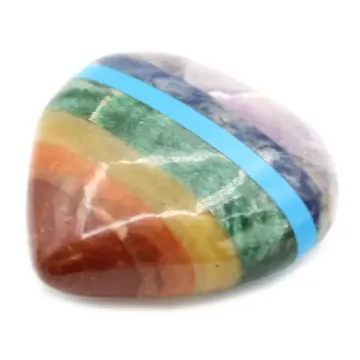
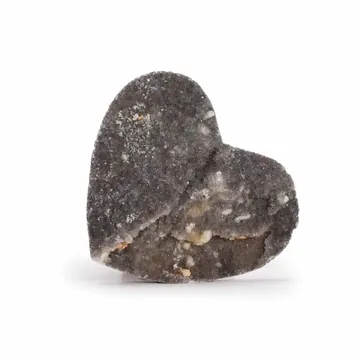
Shape is partly practical and partly traditional. Hearts are a favourite gift; palm stones are made to be held; towers and wands are lovely on an altar; geodes and clusters bring a room to life. Choose the shape that suits where it will live.

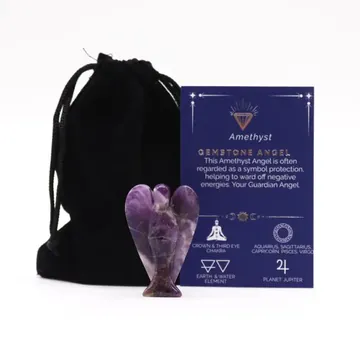
What is the difference between amethyst and rose quartz?
✦ The short answerBoth are forms of quartz. Amethyst, the purple stone, is traditionally linked with calm, intuition and peaceful evenings. Rose quartz, the soft pink stone, is the classic crystal of love, kindness and self-care.
They make a lovely pair and are often given together: amethyst for the quiet end of the day, rose quartz for warmth and gentleness. Both fade in strong sun, so keep them away from bright windowsills.
Which crystal makes the best gift?
✦ The short answerRose quartz for someone you love, amethyst for someone who needs calm, citrine for a new job or fresh start, black tourmaline or smoky quartz for a new home, moonstone for a new chapter, and clear quartz for anyone at all.
A crystal gift feels personal when you tell the person why you chose it. Add a little note with its traditional meaning, or choose their birthstone or star sign stone (see below). Hearts, palm stones and small towers are especially lovely to give.
For more ideas by budget, see our crystal gifts.


Crystals at home
Where should you put crystals in your home?
✦ The short answerBy the front door: black tourmaline or smoky quartz, traditionally for protection. On your desk: clear quartz, citrine or pyrite for focus and abundance. In the living room: an amethyst cluster or rose quartz for a peaceful, loving feel. In the bedroom: soft, calming stones such as amethyst, moonstone and rose quartz.
Think of each room's purpose and choose a stone whose traditional meaning matches it. A crystal by the front door greets everyone who comes in; one on your desk becomes a small reminder of your intentions each time you sit down.
Remember sunlight: colourful stones are best kept out of bright, south-facing windows.
For the front door and desk
See moreWhich crystals are best for the bedroom, and which should stay out?
✦ The short answerAmethyst, moonstone, rose quartz, selenite and howlite are the classic bedside stones for a calm, cosy atmosphere. Many people prefer to keep very energising stones, such as carnelian, pyrite and clear quartz points, in other rooms.
A small bowl of tumble stones on the bedside table, or an amethyst cluster on the windowsill, is a gentle way to bring crystals into the bedroom. Pair them with a lavender candle or a few drops of essential oil on a diffuser for an evening ritual.
Our bedtime ritual guide has ideas for a peaceful wind-down.
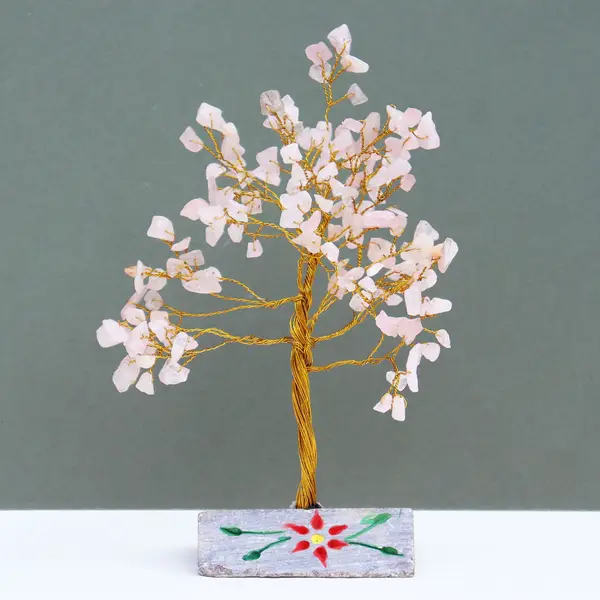

Can you carry crystals in your pocket or bag?
✦ The short answerYes. Tumble stones are made for it. Many people carry a stone that matches their intention for the day, such as tiger's eye for confidence or rose quartz for kindness. Keep soft or delicate stones in a small pouch so they do not scratch.
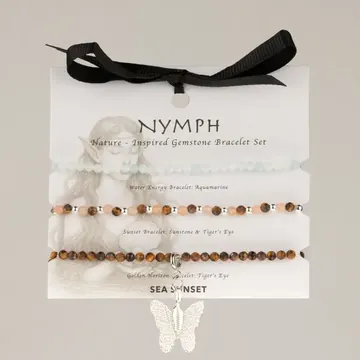
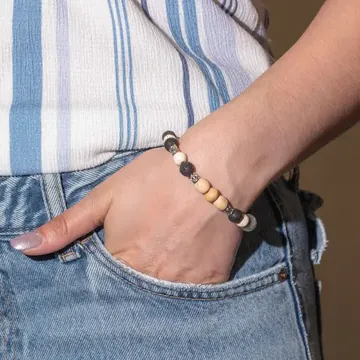
A crystal in your pocket is a quiet reminder you can touch whenever you need it. Bracelets are another lovely way to keep a favourite stone close.
Star signs and birthstones
Which crystal suits your star sign?
✦ The short answerEach sign has traditional stones. The table below gives a favourite for every sign, chosen from the classic lists; there are many others, so trust the stone you are drawn to.
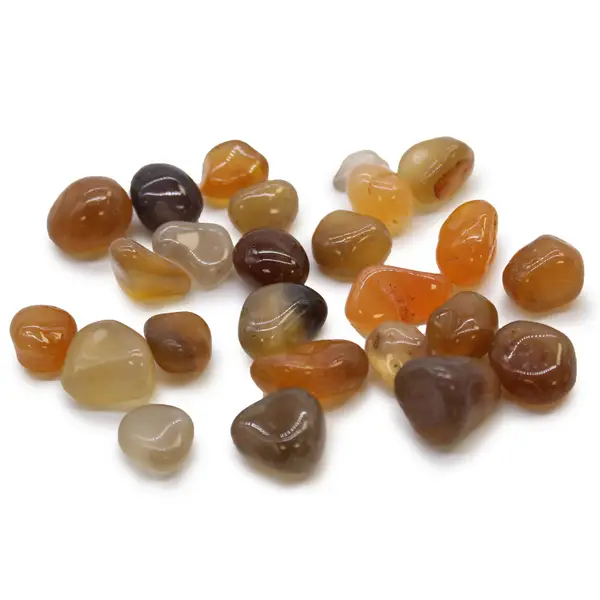 ♈︎AriesCarnelian · courage and drive
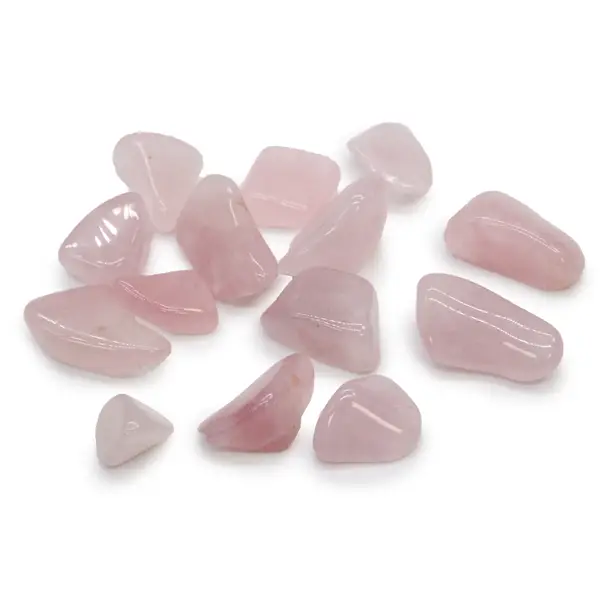 ♉︎TaurusRose quartz · love and comfort
 ♊︎GeminiAgate · balance and clear thinking
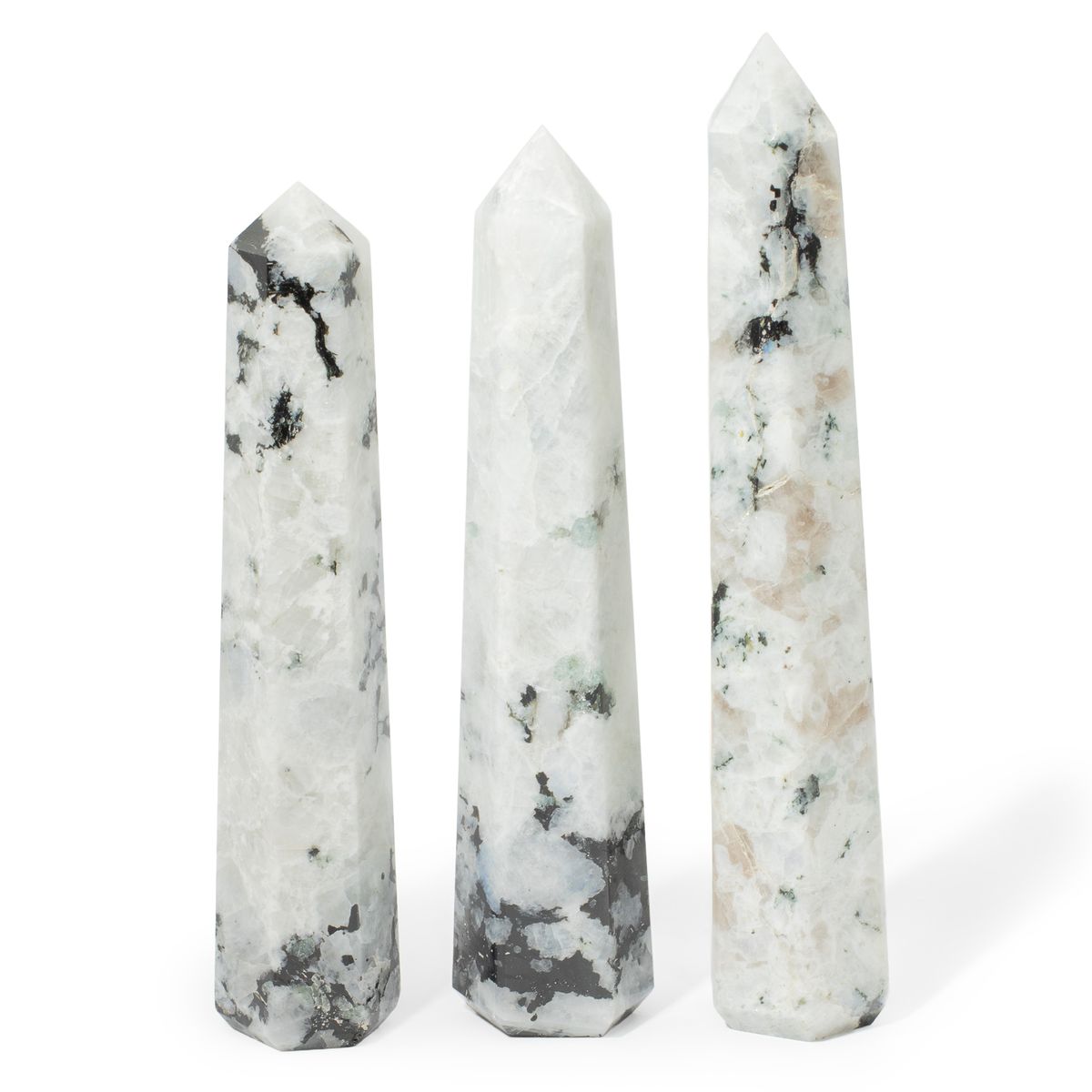 ♋︎CancerMoonstone · intuition and the moon
 ♌︎LeoTiger's eye · confidence
 ♍︎VirgoAmazonite · calm and order
 ♎︎LibraLapis lazuli · harmony and truth
 ♏︎ScorpioObsidian · protection and depth
 ♐︎SagittariusSodalite · wisdom and adventure
 ♑︎CapricornSmoky quartz · grounding and steadiness
 ♒︎AquariusAmethyst · intuition and vision♓︎PiscesAmethyst · dreams and compassion
Discover more on our zodiac pages, each with its crystals, candles and incense.
What is your birthstone by month?
✦ The short answerJanuary garnet, February amethyst, March aquamarine or bloodstone, April diamond, May emerald, June pearl or moonstone, July ruby, August peridot, September sapphire, October opal or tourmaline, November topaz or citrine, December turquoise or tanzanite.
Many people choose a crystal in the same colour family as their precious birthstone, such as clear quartz for April or green aventurine for May. It makes a lovely, affordable birthday gift. Our free Written in the Stars finder shows someone's birthstone, star sign and tarot birth card together.

Find the crystal that's calling you
Explore the meanings, or browse our crystals, tumble stones and clusters.
Last updated