











































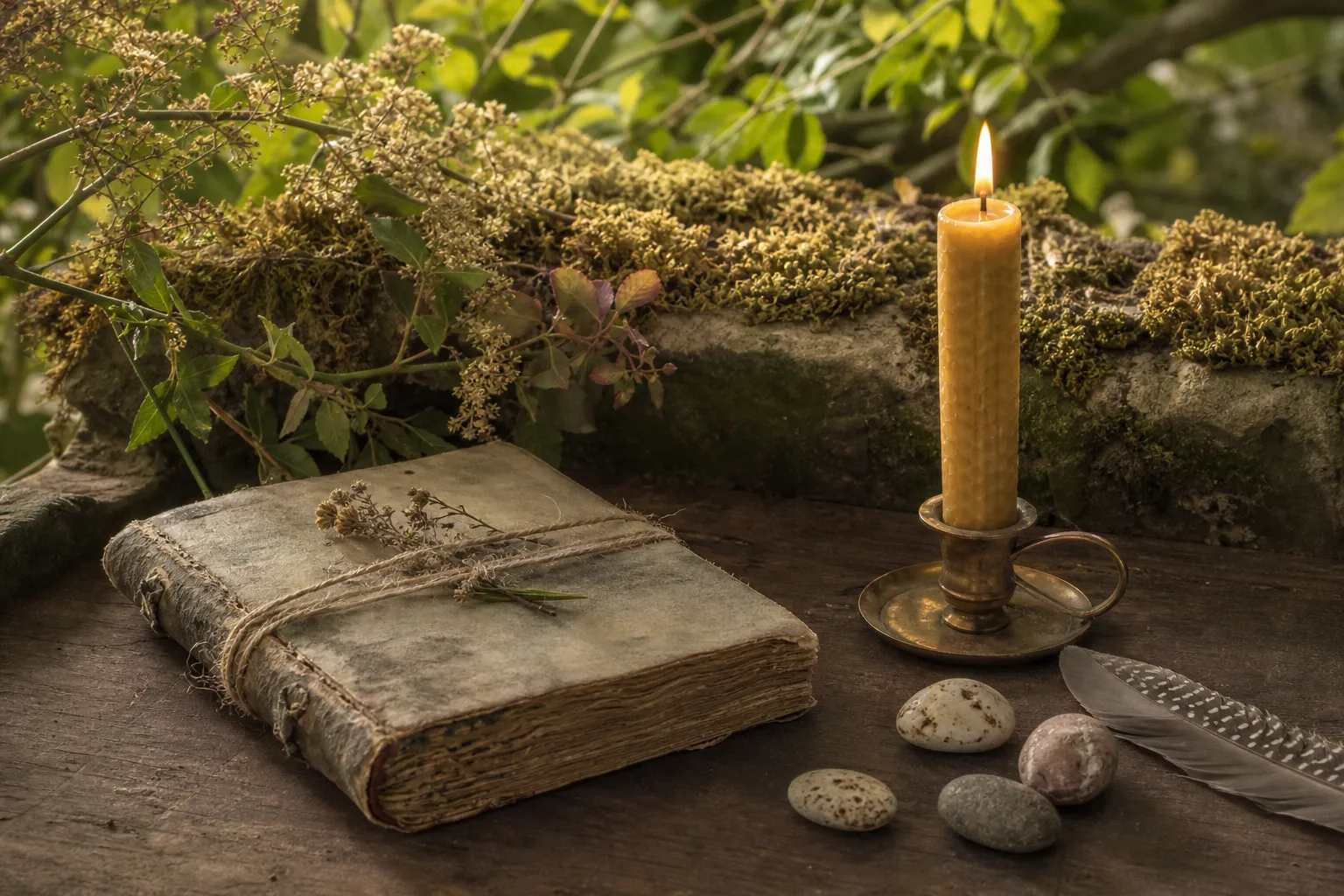
The term hedge witch carries a quiet kind of magic, conjuring images of boundary places, wild edges, and solitary wisdom. It's a phrase rich in folklore and history, yet also very much alive and evolving in modern times. This guide explores where the name originates, what it means, and how you might begin your own path with a simple hedge magic notebook.
The Hedge as a Boundary in Folklore
In the British countryside, the hedge is not simply a line of brambles and hawthorn. Traditionally, it marks the edge of a field, a place where the cultivated world meets the wild. Hedges are living boundaries—liminal spaces where the known and unknown brush against each other. In folklore, such places are often seen as thresholds: sites of possibility and encounter, where one might slip between worlds or catch a glimpse of something uncanny at twilight.
The idea of 'hedge riding'—metaphorically crossing the hedge—speaks to the belief that certain people could move between the everyday and the otherworldly. The hedge, then, is more than a physical barrier; it's a symbol of the boundary between the ordinary and the magical, the village and the wild wood, the seen and the unseen.
The Cunning Folk and Village Wise Women
Long before the term 'hedge witch' was popularised, British villages often relied on cunning folk—the local wise men and women skilled in folk magic, charms, and home rituals. In folklore, these practitioners offered practical help: finding lost objects, blessing a new home, or advising on matters of luck and fortune. Their knowledge was rooted in tradition, observation, and a deep familiarity with the land and its cycles.
These wise women and men were sometimes called upon to settle disputes, interpret dreams, or offer comfort with a charm or simple ritual. Their work often took place on the edge of the village, both literally and figuratively—neither wholly inside nor outside the community, but at its threshold. This position on the boundary is one reason why the image of the hedge became so closely linked to their craft. For more on this tradition, you may wish to read our beginner guide, What is Hedge Magic?.
The Modern Hedge Witch: Rae Beth and Solitary Practice
While the roots of hedge witchcraft are deep, the term itself found new life in the late twentieth century. Rae Beth’s book Hedge Witch: A Guide to Solitary Witchcraft, published around 1990, brought the phrase to a wider audience. Beth described a practice grounded in nature, folklore, and quiet observation—one that values personal experience over formal hierarchy or elaborate ceremony.
This modern approach often appeals to those who feel drawn to the rhythms of the seasons, the turning of the Wheel of the Year, and the simplicity of small, meaningful acts. Many people today use 'hedge witch' to describe a solitary, intuitive practice rooted in the old ways but open to personal adaptation. The hedge witch listens to the land, keeps old stories alive, and works magic with what is at hand.
Symbols and Tools of the Hedge Witch
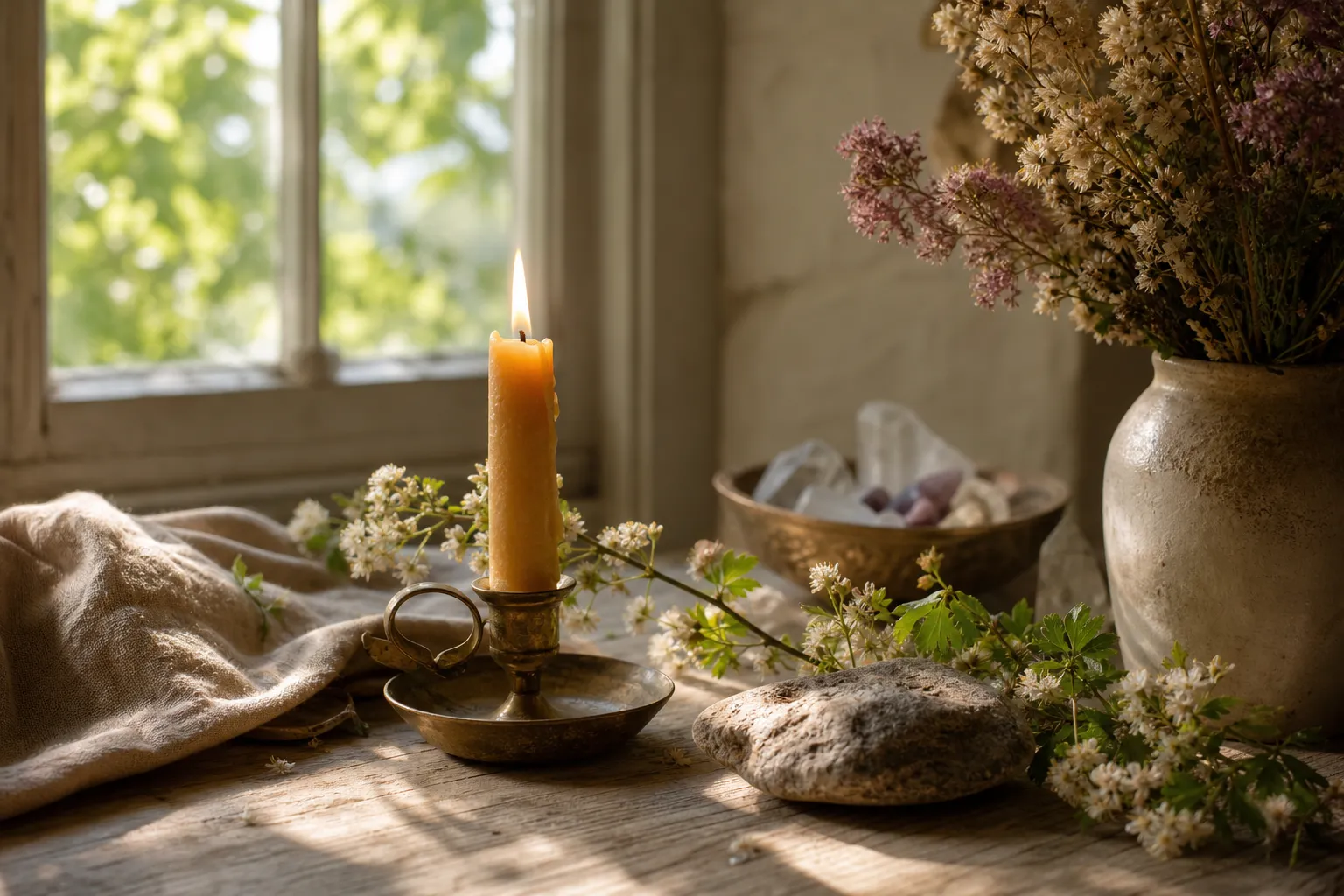
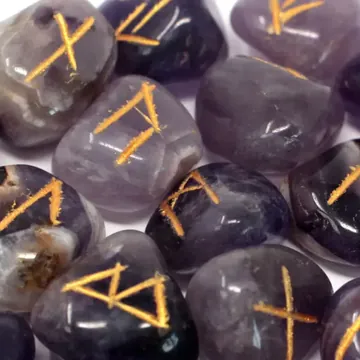
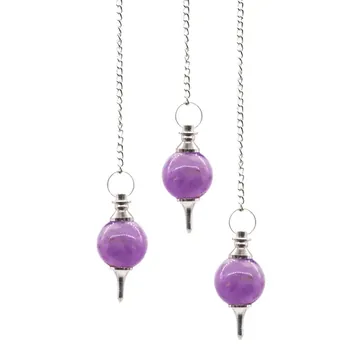
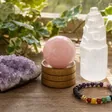
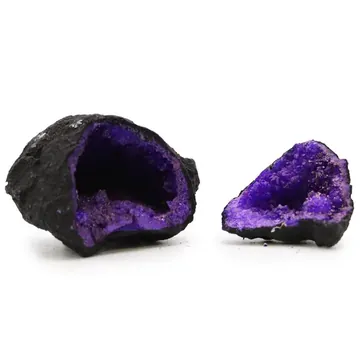
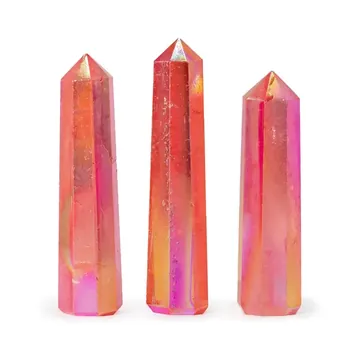
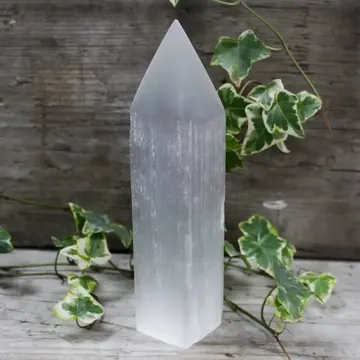
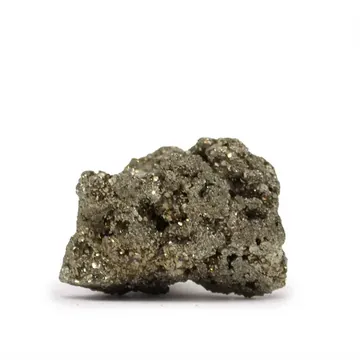
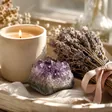
Although every hedge witch’s practice is unique, certain symbols and tools remain constant. The hedge itself—a reminder of the boundary between worlds—is often evoked through ritual, meditation, or quiet walks at the edge of fields and woods. Simple tools such as candles, stones, and everyday household objects serve as reminders that magic need not be elaborate to be meaningful.
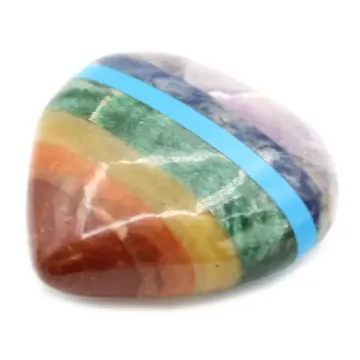
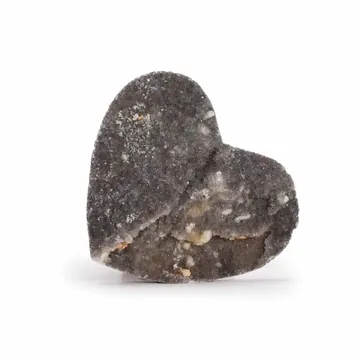
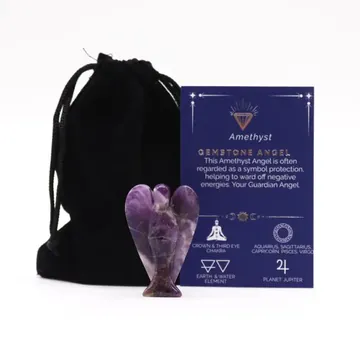
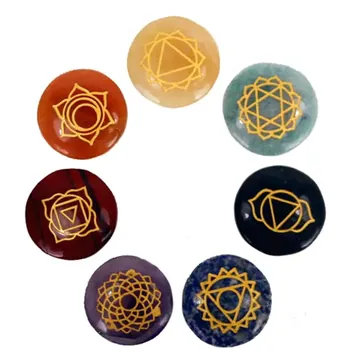
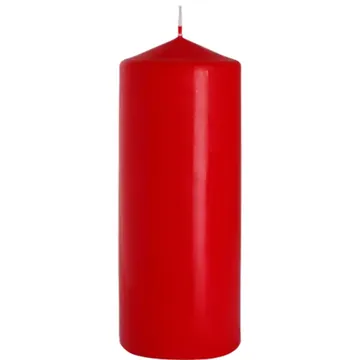
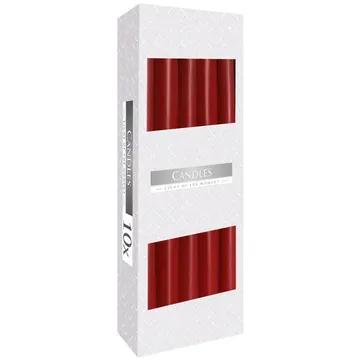
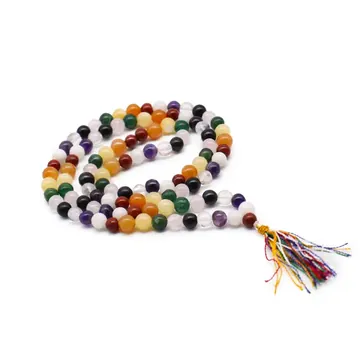
Crystals, for example, are often chosen for their folklore and personal resonance. You can find more about their traditional meanings on our crystal meanings page. Candles are another practical favourite, used for focus, intention, and gentle rituals—always with care, and never left unattended. If you are curious about candle work, our candle magic guide is a good place to start.
How to Start a Simple Hedge Magic Notebook
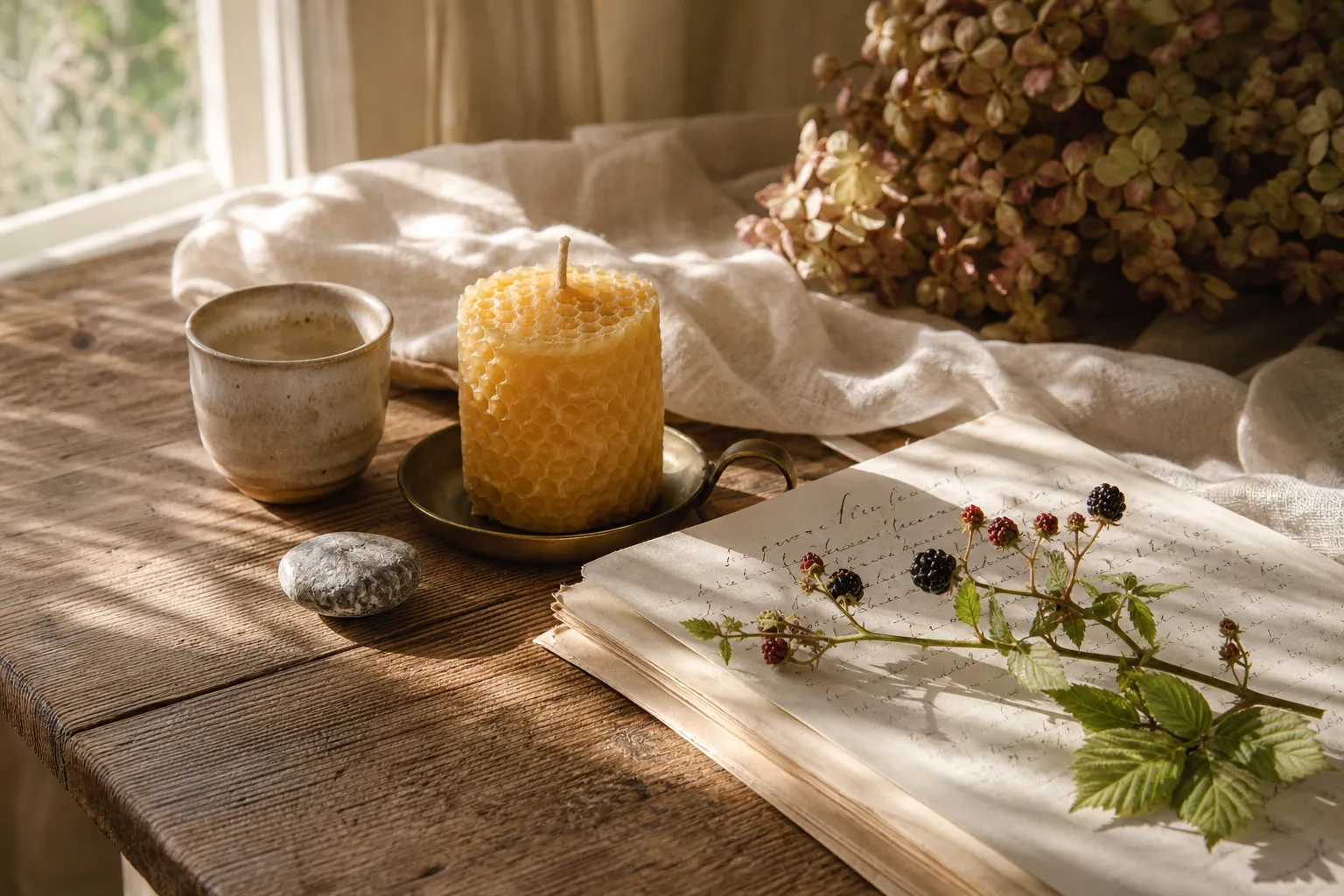
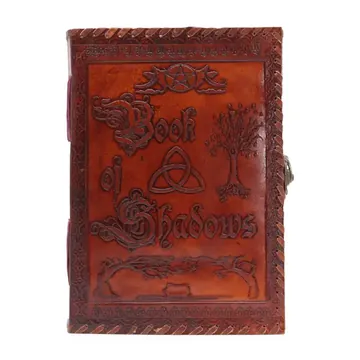
One of the most practical ways to begin exploring hedge witchcraft is to keep a notebook. This is not about recording grand spells or ancient secrets, but starting a quiet conversation with the world around you. Here’s a simple approach to get started:
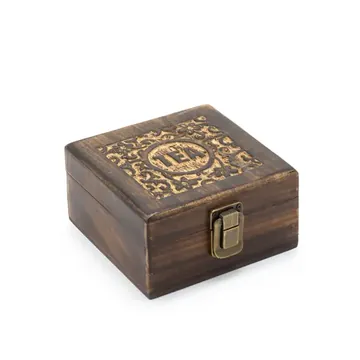
- Choose your notebook. Any notebook will do—plain or decorated, as you like. Some people prefer a sturdy book that feels good in the hand.
- Set an intention. On the first page, write a few lines about why you are starting this notebook. It could be as simple as ‘to notice more’ or ‘to keep track of the seasons’.
- Record your observations. Begin by noting what you see, hear, and feel at the boundaries—hedgerows, the edges of woods, crossroads, or even the threshold of your own back garden. Describe the plants, the weather, the animal tracks, and your own moods.
- Collect folklore and stories. Jot down any local tales, sayings, or customs you come across. These might be snippets from neighbours, books, or your own family.
- Note daily or seasonal rituals. If you perform a simple candle lighting or mark the full moon, make a note of it. You might like to track moon phases using our moon calendar.
- Reflect and revisit. Every so often, read back through your notes. You may notice patterns or small changes over time—these are the roots of your own personal practice.
There is no right or wrong way to keep a hedge magic notebook. The value lies in quiet attention and patient curiosity, much like the work of the village wise women of old.
Continuing the Tradition
The term ‘hedge witch’ honours both the boundaries of place and the boundaries between worlds. It is a living tradition, shaped by history, folklore, and the quiet practices of those who notice and remember. Whether you are drawn to the old stories or the daily rituals of home, starting with a simple notebook can help you find your own way along the hedge.
For more on the roots and meaning of hedge witchcraft, you may enjoy our in-depth guide: What is Hedge Magic?
Questions and answers
What does the hedge symbolise in hedge witchcraft?
The hedge represents a boundary or threshold, the meeting place between the cultivated and the wild, the known and the mysterious.
Are hedge witches the same as cunning folk?
Cunning folk and village wise women are part of the tradition that inspired modern hedge witchcraft, but the modern practice is often solitary and personal.
How do I start practising hedge witchcraft?
Begin with observation, keep a notebook, and explore simple seasonal rituals. Our beginner guide on hedge magic offers practical advice.